

Understanding the Impact of Plastic Waste in Cleaning
The Environmental Cost of Single-Use Plastic Cleaning Products
Every year, millions of tons of plastic waste are generated, and a significant portion comes from single-use plastic cleaning products. Items such as plastic spray bottles, disposable wipes, and packaging contribute to landfill overflow and ocean pollution. These plastics take hundreds of years to decompose, harming wildlife and disrupting ecosystems. Moreover, many traditional cleaning products contain chemicals that can leach into soil and water, compounding the environmental damage. Understanding this impact emphasizes the importance of reducing plastic usage in our daily cleaning routines.
Why Choose Reusable Tools: Benefits Beyond Waste Reduction
Switching to reusable cleaning tools does more than just reduce plastic waste. These tools often promote healthier living environments by allowing you to control the ingredients and materials used in cleaning. Reusable cloths and brushes can be washed and sanitized, which helps maintain cleanliness without relying on chemicals found in disposable products. Additionally, choosing reusable items encourages sustainable consumer habits, reducing your overall carbon footprint. The financial savings accrued over time by refilling and reusing cleaning supplies also make this choice practical and responsible.
Essential Reusable Cleaning Tools for an Eco-Friendly Routine
Swappable Cloths, Sponges, and Brushes: What Works Best?
When building an eco-friendly cleaning routine, selecting the right reusable tools is crucial. Swedish dishcloths, for example, are highly absorbent and biodegradable, making them excellent for various cleaning tasks. Reusable cloths crafted from microfiber or cotton can be washed repeatedly, significantly cutting down waste. Loofah and cellulose sponges offer natural alternatives to synthetic options and can be composted at the end of their lifecycle. Brushes with replaceable heads extend product longevity, reducing the need to discard the entire brush. By picking tools designed for durability and multi-functionality, you’ll maximize their environmental benefits.
DIY Alternatives: Making Your Own Reusable Cleaning Tools
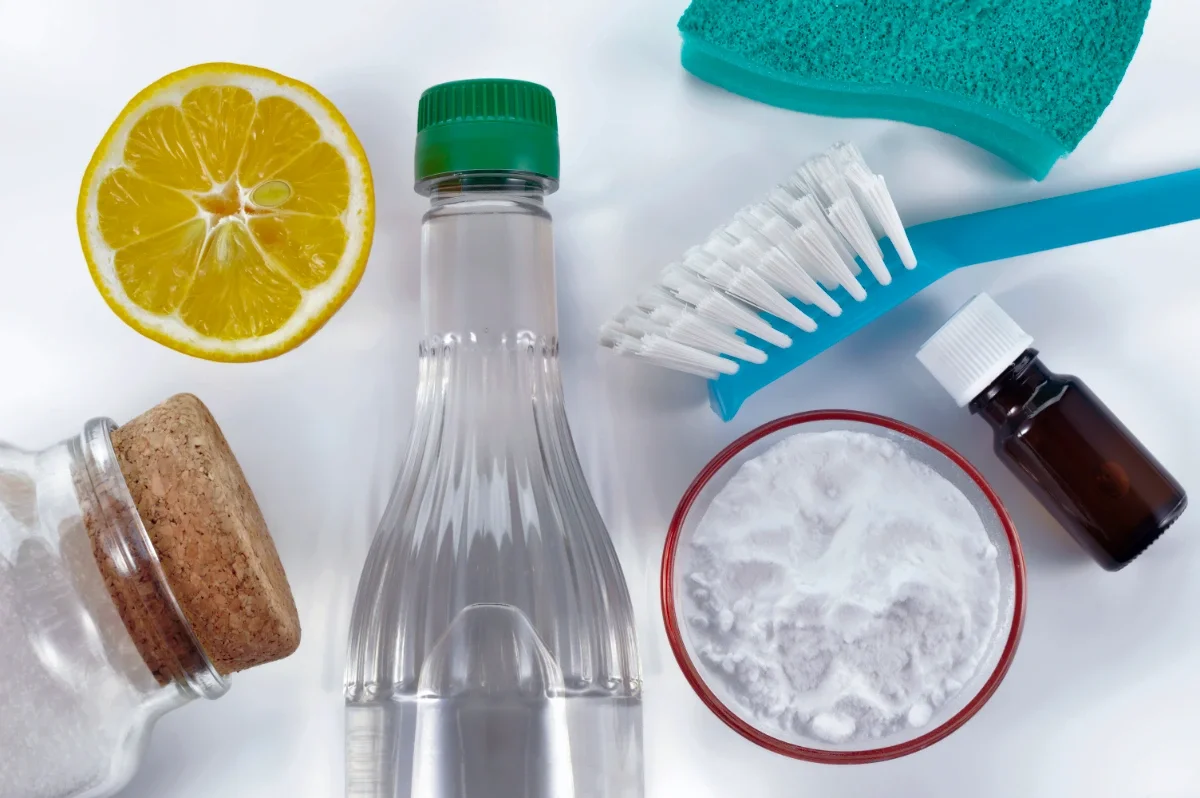
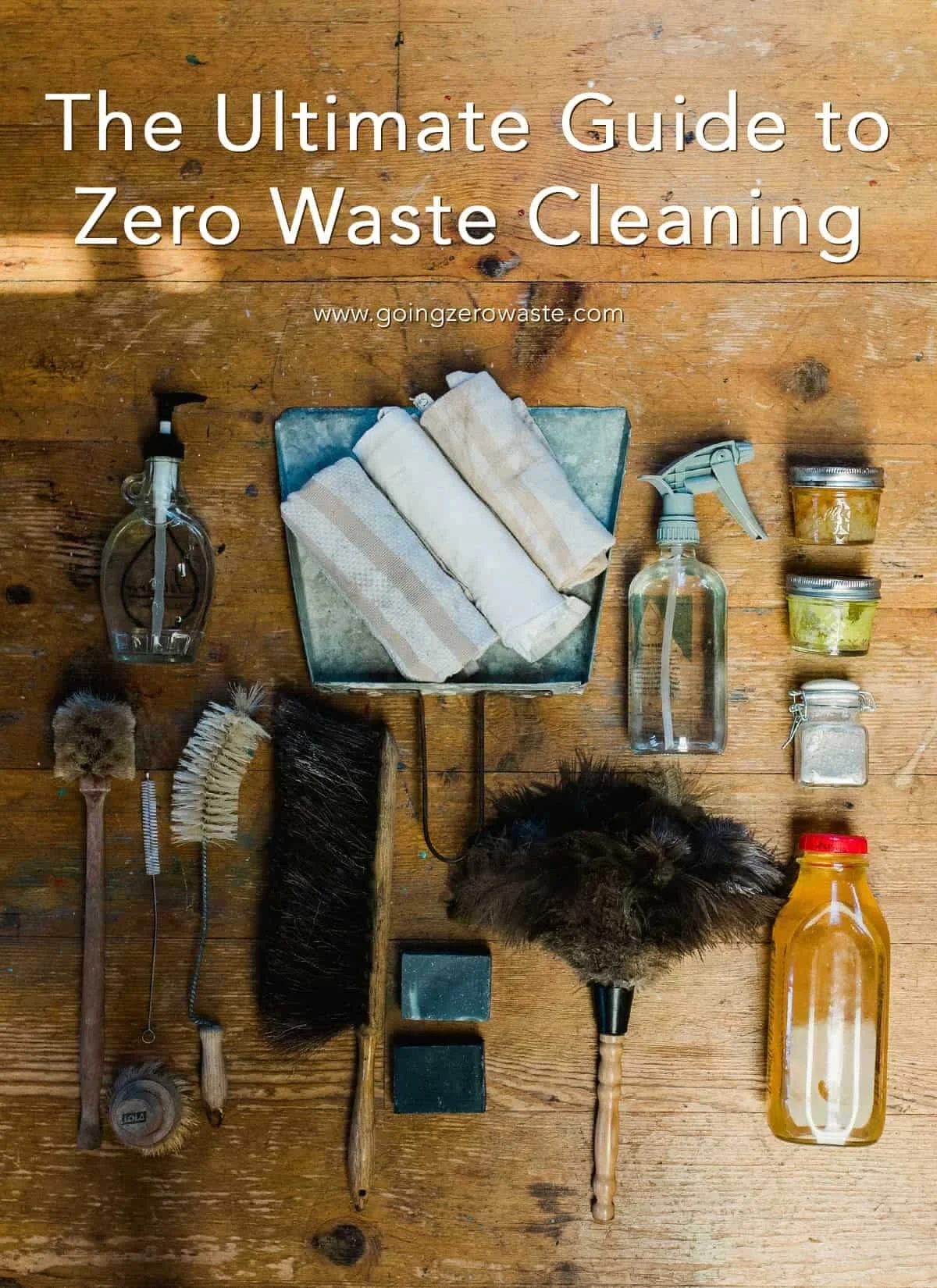
Creating your own cleaning tools at home enhances eco-consciousness and reduces reliance on mass-produced plastic alternatives. Simple DIY projects like crafting detergent sheets or hand soap tablets allow you to customize ingredients to suit your preferences. For cleaning surfaces, a stack of color-coded reusable towels can be assigned to different areas such as glass, counters, and bathrooms, preventing cross-contamination while minimizing waste. Homemade cleaners using natural ingredients like baking soda, vinegar, and essential oils can be applied with these tools, transforming cleaning into an intentional, sustainable practice.
Step-by-Step Guide: Transitioning to a Reusable Tool Cleaning Routine
Assessing Your Current Cleaning Supplies
Begin by taking stock of your existing cleaning products and tools. Identify items that are single-use or contain excess plastic packaging. Assess which tools are being discarded frequently and consider their environmental impact. This evaluation helps to set a baseline for change and highlights the key areas where reusable alternatives can make the greatest difference. Moreover, understanding the cleaning needs and habits will guide you in selecting the most effective reusable tools.
Incorporating Reusable Items Gradually
Transitioning to an eco-friendly routine doesn’t have to be overwhelming. Start by swapping out a single product each week, such as replacing your all-purpose cleaner with a refillable bottle or introducing Swedish dishcloths in place of paper towels. This gradual approach allows you to adjust to new methods and reduces the risk of waste from unused items. Over time, incorporating multiple reusable tools will become second nature, and the cumulative benefits for plastic reduction will become evident.
Maintaining and Sanitizing Your Reusable Tools
Proper maintenance is essential for the longevity and hygiene of reusable cleaning tools. Regular washing, preferably with non-toxic soaps, keeps cloths and brushes sanitary. Using disinfectant wipes made from DIY mixtures—such as water, vinegar, and essential oils—can extend their usability. Compostable sponges and cellulose products should be tossed into compost piles rather than garbage when worn out to ensure they return nutrients to the soil rather than contributing to landfill. Setting clear labels and color codes for towels minimizes cross-contamination and streamlines your green cleaning routine.
Common Challenges and Solutions When Switching to Reusable Cleaning Tools
Addressing Concerns About Hygiene
Some people hesitate to adopt reusable cleaning tools over fears about cleanliness. This concern is valid, but manageable with proper practices. Reusable cloths and brushes should be washed frequently, ideally after each use, to prevent bacteria build-up. Spot-testing new homemade cleaners on small, hidden areas ensures they don’t harm surfaces, and selecting the right natural ingredients avoids harsh chemical residues. By establishing a consistent sanitation routine, you ensure your tools remain both effective and safe.
Cost-Effectiveness Over Time
Upfront investment in quality reusable items may seem higher compared to disposable alternatives, but the long-term savings are significant. For instance, refilling cleaning bottles at home can offer savings of around 40% compared to purchasing new ones. Large refill boxes, such as three-liter containers, reduce repeated packaging waste and can replace multiple standard bottles. Investing in durable tools that allow replacement parts, like brush heads, further extends their lifespan. Over time, not only does this approach lower expenses, but it also supports a more sustainable lifestyle.
Case Studies: Real-Life Green Cleaning Transformations
Home Cleaning Success Stories
Many households have successfully shifted to reusable cleaning routines and reported noticeable benefits. For example, families who introduced Swedish dishcloths and reusable cloths found they reduced their weekly plastic waste significantly while enjoying the ease of washing and reusing materials. Some homeowners created DIY all-purpose cleaners combining simple ingredients like vinegar and baking soda, which effectively removed stains and odors without harmful chemicals. These changes fostered a sense of environmental responsibility and even inspired others in their communities to follow suit.
Small Businesses Leading the Way in Plastic Waste Reduction
Numerous small businesses, especially in hospitality and retail, are pioneering green cleaning practices by embracing reusable tools and refill systems. Some cafés and coworking spaces have replaced disposable wipes with reusable, washable cloths, while shops have opted for large refill stations for soaps and detergents. These initiatives not only cut costs but also demonstrate leadership in environmental stewardship, encouraging customers to think twice about single-use plastics. The success stories from these businesses underline the potential for wider adoption of sustainable cleaning routines.


