

Understanding the Importance of Nighttime Skincare After 40
The Science Behind Skin Aging and Fine Lines
As we age, particularly after 40, our skin undergoes natural changes that make fine lines and wrinkles more prominent. The skin’s production of collagen and elastin, proteins responsible for its firmness and elasticity, slows down significantly. Additionally, the skin’s ability to retain moisture diminishes, leading to dryness and rough texture. Environmental factors, such as UV exposure and pollution, exacerbate these effects by breaking down collagen and causing oxidative stress. Over time, these elements contribute to the visible signs of aging, making a targeted skincare routine critical to help mitigate fine lines and maintain youthful skin.
Why Nighttime is Ideal for Skin Repair
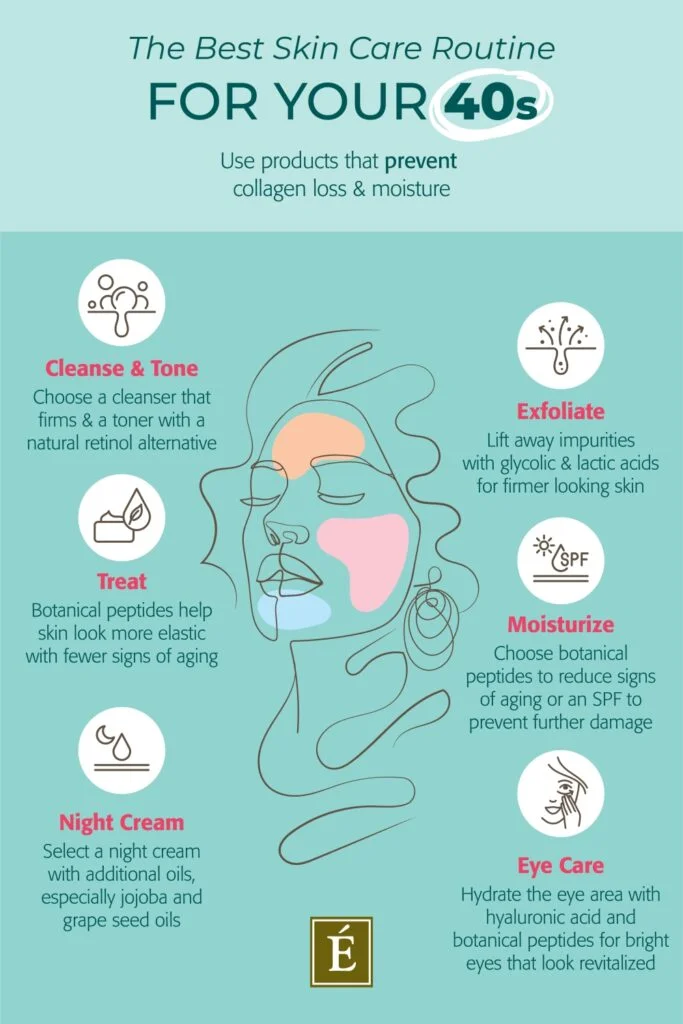
The skin’s natural repair and renewal processes are most active during the night. While you sleep, skin cells regenerate and repair damage caused by daytime exposure to environmental stressors like sun and pollution. Nighttime routines offer a unique opportunity to deliver nourishing and reparative ingredients that support these regenerative functions. Unlike the morning routine that focuses on protection, the evening regimen can concentrate on hydration, repair, and collagen synthesis. Without the interference of sun exposure, active compounds such as retinol or peptides work more effectively, making nighttime the optimal moment to combat fine lines and promote skin health after 40.
Step-by-Step Guide to Building Your Nighttime Routine
Cleansing: Removing Daytime Impurities
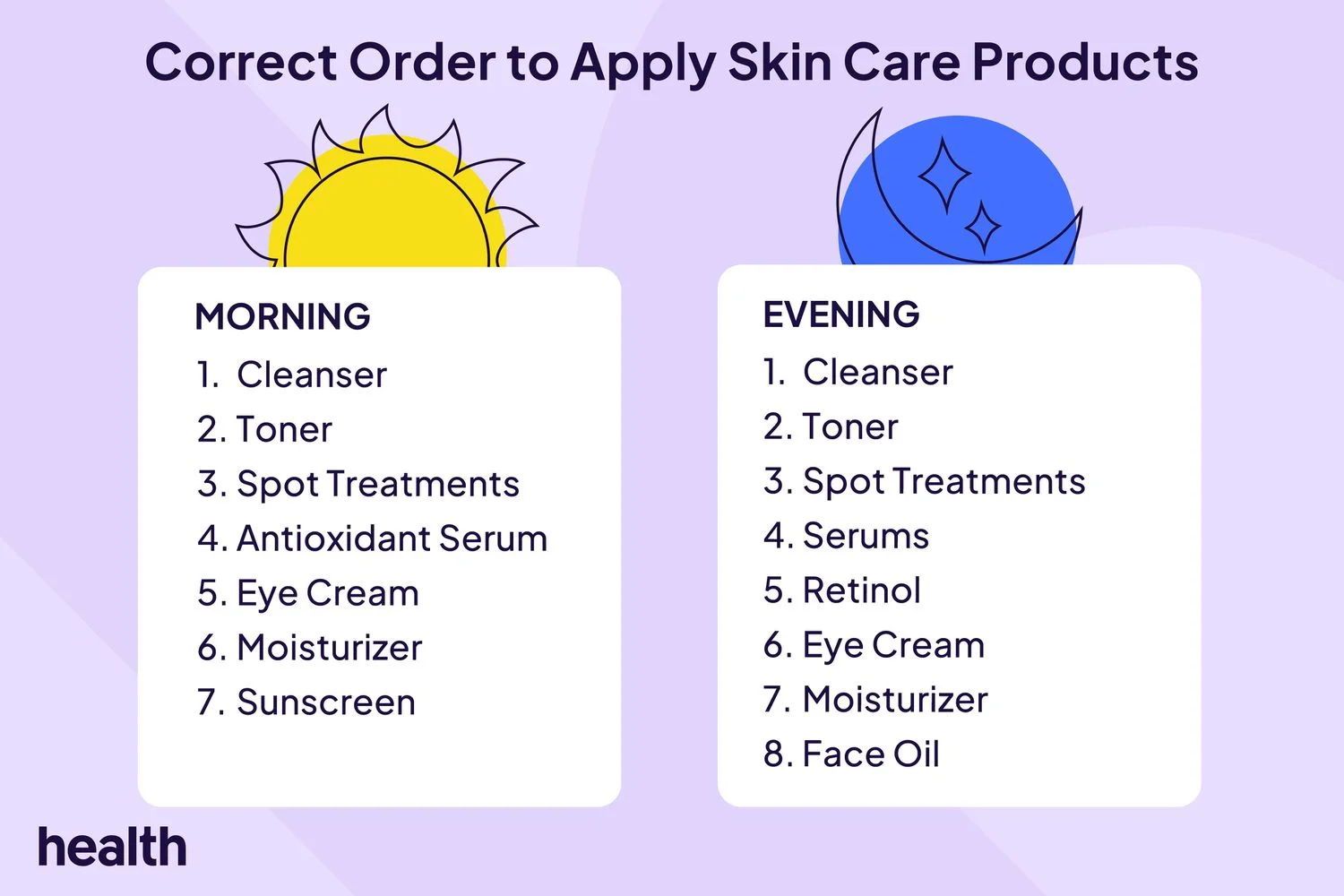
One of the most common mistakes in skincare is skipping thorough cleansing at night. After a full day exposed to makeup, sunscreen, and environmental pollutants, these impurities can clog pores and create a barrier that prevents skincare products from penetrating effectively. Using a gentle double cleanse method—starting with an oil-based cleanser to dissolve makeup and sunscreen, followed by a water-based cleanser to remove sweat and dirt—ensures that the skin is clean but not stripped of its natural oils. Avoid harsh cleansers that can worsen dryness and damage the skin barrier, particularly in mature skin.
Exfoliation: Promoting Cell Turnover
Exfoliation is essential for renewing the skin’s surface by removing dead skin cells that contribute to dullness and uneven texture. However, over-exfoliating can irritate sensitive and aging skin, disrupting the skin barrier and increasing dryness or redness. For skin over 40, exfoliating one to three times per week is sufficient to promote healthy cell turnover without causing harm. It is crucial not to combine exfoliants with retinol treatments on the same night to avoid excessive irritation. Gentle exfoliants with ingredients like lactic acid or enzyme-based formulas can be more suitable for mature skin.
Targeted Treatments: Serums and Actives for Fine Lines
After cleansing and exfoliating, applying serums and active treatments allows targeted delivery of ingredients that reduce fine lines and support skin regeneration. Retinol is a potent ingredient known for boosting collagen and smoothing wrinkles but must be introduced gradually, starting twice a week and increasing frequency as tolerated. Hydrating serums rich in hyaluronic acid can be used liberally to maintain moisture balance. Applying these products on clean skin maximizes absorption and effectiveness, which is often compromised if used after heavier creams or oils.
Moisturizing: Locking in Hydration Effectively
Moisturizing is a critical step to lock in hydration and strengthen the skin barrier, especially as skin tends to become drier and more fragile with age. Using moisturizers formulated for mature skin that provide both hydration and nourishment helps maintain elasticity and softness. Face oils can be applied last to seal in moisture but should be used wisely to avoid dependency where the skin becomes reliant on them and reduces its natural oil production. Light to medium-weight moisturizers that absorb well can provide comfort throughout the night without feeling heavy or clogging pores.
Special Care: Eye Creams and Lip Balms
The delicate skin around the eyes is often the first to show signs of aging such as fine lines and crow’s feet. Eye creams designed for this sensitive area typically have a thicker consistency and targeted ingredients to address puffiness, dark circles, and wrinkles. Gently tapping or massaging the product around the entire eye area, including under the brow bone, enhances absorption and stimulates circulation. Lip balms are also essential to prevent dryness and cracking during sleep, contributing to overall skin health and comfort.
Choosing the Right Products for Mature Skin
Key Ingredients to Look For
When selecting nighttime skincare products after 40, ingredients that support collagen production, hydration, and skin barrier repair are key. Retinol or retinoids promote cell turnover and collagen synthesis, improving fine lines and skin texture. Peptides and antioxidants like vitamin C help protect against oxidative stress and support skin resilience. Hyaluronic acid and ceramides deeply hydrate and reinforce the skin’s barrier, which is vital to combat dryness and sensitivity. Gentle exfoliants such as lactic acid or mandelic acid can encourage surface renewal without irritation.
Ingredients to Avoid for Sensitive or Aging Skin
Mature and sensitive skin can react negatively to harsh or drying ingredients. Avoid strong exfoliants used too frequently, abrasive scrubs, and alcohol-based toners that strip moisture. Using retinol in combination with exfoliants or applying it excessively can cause irritation and damage the skin barrier. Fragrances and essential oils should also be minimized as they may lead to sensitivity or allergic reactions. The goal is to choose formulations that nourish without overwhelming fragile skin.
Lifestyle Habits That Enhance Nighttime Skincare Results
Optimizing Sleep Quality for Better Skin
Poor sleep quality negatively impacts skin repair and accelerates signs of aging, including fine lines. Prioritizing restful, uninterrupted sleep supports natural skin regeneration, reducing inflammation and enhancing moisture retention. Creating a bedtime routine that calms the mind, avoiding screens before sleep, and maintaining a consistent sleep schedule can improve both skin and overall well-being. Remember, your skincare routine works best when supported by good sleep habits.
Nutrition and Hydration Tips
What you eat and drink plays a crucial role in maintaining healthy skin. A diet rich in antioxidants, vitamins, and healthy fats—such as fruits, vegetables, nuts, and fish—helps combat oxidative stress and supports skin elasticity. Staying hydrated by drinking sufficient water is equally important to keep skin plump and minimize dryness. Avoiding excessive sugar and processed foods reduces inflammation that can accelerate skin aging, making nutrition a foundational complement to your nighttime skincare routine.
Minimizing Environmental Damages
Evening skincare benefits from minimizing ongoing environmental damage. Daily use of sunscreen during the day protects against UV rays—the main contributor to fine lines and skin aging. Additionally, cleansing thoroughly at night removes pollutants that can cause oxidative stress. Incorporating antioxidant-rich products can further protect skin from daily assaults. Limiting exposure to cigarette smoke and harsh weather also preserves skin integrity and enhances the effectiveness of nighttime repair treatments.
Common Mistakes to Avoid in Your Nighttime Regimen
Over-Exfoliating and Its Effects
While exfoliation is important, over-exfoliating mature skin can strip natural oils and compromise the skin barrier, resulting in increased dryness, redness, and sensitivity. This damage often accelerates the appearance of fine lines rather than improving them. It’s essential to tailor exfoliation frequency to your skin’s tolerance, ideally between one and three times per week, using gentle formulations. Avoid combining exfoliants with retinol treatments to prevent irritation.
Skipping Essential Steps
Many skip vital steps such as cleansing or toner application, assuming they are unnecessary or time-consuming. Neglecting to remove makeup and sunscreen thoroughly can trap impurities, leading to clogged pores and dull skin. Skipping toner means missing out on rebalancing skin’s pH and preparing it for better absorption of active ingredients. Additionally, ignoring eye creams and hydrating serums reduces the overall effectiveness of the routine in targeting fine lines. Consistency and completeness in following each step ensure maximum benefits from your nighttime skincare regimen.
Monitoring Progress and Adjusting Your Routine
How to Track Improvements in Fine Lines
Changes in fine lines and skin texture occur gradually with consistent care. Monitoring progress involves observing not only visible improvements but also skin feel and hydration levels. Taking photos under consistent lighting every few weeks can help objectively track changes. Pay attention to how your skin responds to products—if irritation or dryness occurs, adjustments may be necessary. Patience is key; typically, noticeable results appear after several weeks to months of consistent use.
When to Consult a Dermatologist
If fine lines persist despite a diligent routine, or if you experience persistent irritation, redness, or discomfort, consulting a dermatologist is advisable. Professionals can recommend tailored treatments such as prescription retinoids, chemical peels, or in-office procedures that complement your nighttime regimen. A dermatologist can also help identify any underlying skin conditions and adjust your routine accordingly to ensure safe and effective results tailored to your mature skin’s needs.


