

Why Choose High Protein Smoothies for Recovery?
The Science Behind Protein and Muscle Repair
Protein plays a critical role in muscle repair and growth, especially after intense physical activity. When you work out, tiny tears form in your muscle fibers. Consuming protein helps provide the necessary amino acids to rebuild these fibers stronger than before. High protein intake post-exercise stimulates muscle protein synthesis, which is key to recovery. Smoothies, rich in protein, offer a convenient and efficient way to deliver these essential nutrients to your body when it needs them most.
Benefits of Smoothies Over Other Protein Sources
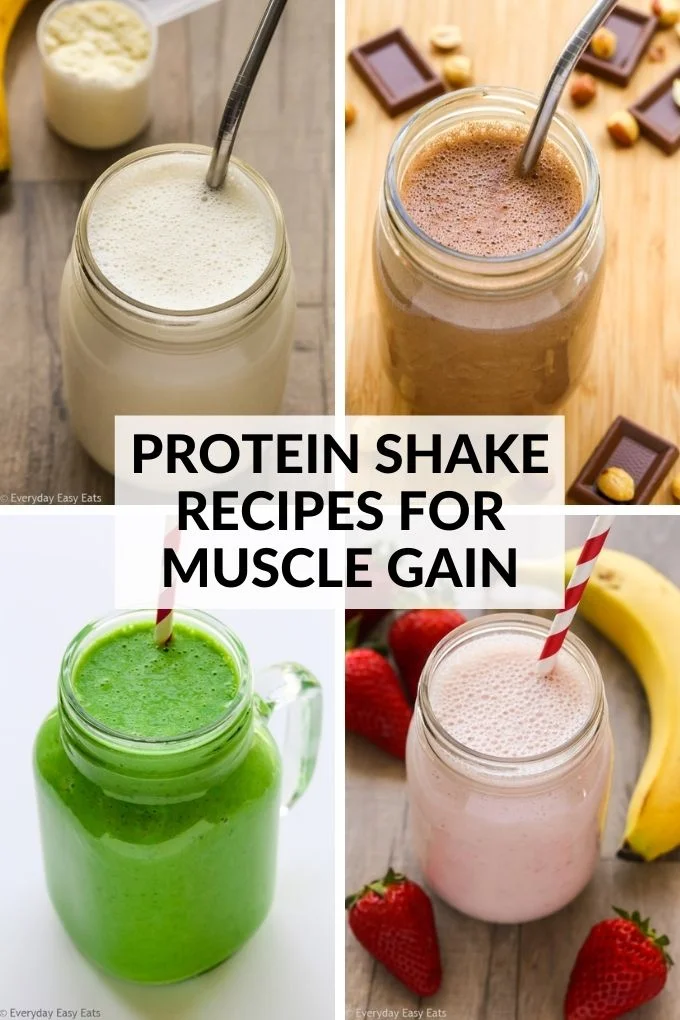
Smoothies are a preferred post-workout recovery option due to their quick digestibility and versatility. Unlike solid foods that can take longer to break down, smoothies offer a liquid texture that allows faster nutrient absorption. They also combine protein with carbohydrates and fats in a balanced manner, which is crucial for replenishing glycogen stores and supporting overall recovery. Furthermore, smoothies allow you to include a variety of nutrient-dense ingredients, boosting your intake of vitamins, minerals, and antioxidants, all while being delicious and refreshing.
Top Ingredients for Muscle-Building Smoothies
Powerful Protein Sources to Include
To maximize muscle repair, it’s important to choose protein sources that are rich in essential amino acids and easily digestible. Dairy milk is an excellent source of complete protein, making it ideal for smoothies. For those preferring plant-based options, soy milk stands out as the best alternative due to its comparable protein content. Adding protein powders, such as whey, casein, or plant-based blends, can further enhance the protein load. Additionally, ingredients like hemp seeds and cooked quinoa not only boost protein but also add healthy fats and fiber.
Essential Nutrients for Recovery and Repair
Besides protein, your smoothie should contain nutrients that support recovery and overall muscle health. Potassium and magnesium, found in bananas and leafy greens like spinach, help prevent muscle cramps and aid in muscle function. Antioxidants from berries combat exercise-induced oxidative stress, reducing inflammation and promoting healing. Adding raw coconut water replenishes electrolytes without the additives found in many commercial sports drinks. Vitamin C from fruits such as pineapple and mango supports collagen production, which is vital for connective tissue repair.
Flavor Boosters That Enhance Taste and Nutrition
To keep your smoothies enjoyable, incorporating natural flavor enhancers is a great strategy. Maca powder introduces a subtle caramel-like sweetness and provides an energizing effect without caffeine jitters. Using mild-flavored greens such as spinach maintains the nutrient profile without overpowering your smoothie’s taste. Nut butters like peanut or almond butter add richness, healthy fats, and protein, while spices like cinnamon can bring warmth and help stabilize blood sugar levels. Whole fruits keep the texture pleasant and add natural sweetness that balances the flavors.
Delicious High Protein Smoothie Recipes
Berry Blast Protein Smoothie
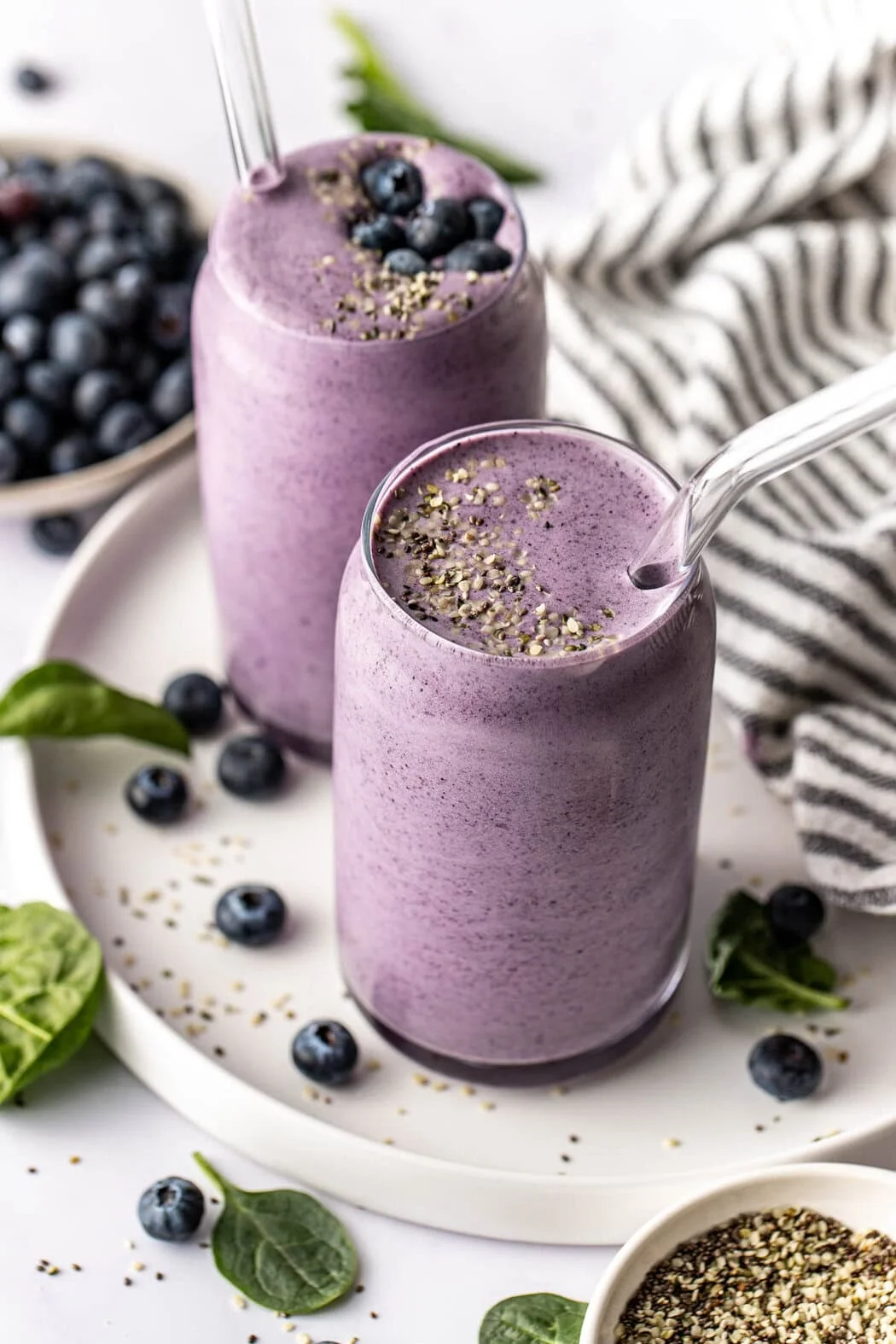
This smoothie combines the antioxidant power of blueberries with a creamy base for muscle recovery. Start by blending a cup of soy milk with half a cup of frozen blueberries and a scoop of your preferred protein powder. Add a handful of spinach for nutrients without a strong green taste. To enhance texture and add healthy fats, mix in a tablespoon of almond butter. Blend all ingredients until smooth, and enjoy a refreshing post-workout treat that supports muscle rebuilding.
Chocolate Peanut Butter Recovery Shake
Indulge your taste buds with this rich, protein-packed shake that combines chocolate and peanut butter flavors. Begin with a cup of dairy milk to ensure maximum protein. Add a scoop of chocolate whey protein powder for flavor and muscle repair benefits. Include a tablespoon of natural peanut butter and half a frozen banana to provide creaminess and natural sweetness. For an extra nutrient boost, sprinkle in some maca powder and blend thoroughly. The result is a satisfying shake perfect for replenishing energy and encouraging muscle growth.
Tropical Muscle Repair Smoothie
Transport yourself to a tropical paradise with this vibrant recovery smoothie. Use one cup of raw coconut water as a hydrating base to replace lost electrolytes. Add half a cup of frozen mango and pineapple chunks for vitamin C and natural sweetness. For protein, include a scoop of plant-based protein powder or cooked quinoa. A handful of spinach can be added without altering the fruity flavors, while a tablespoon of flaxseed provides omega-3 fatty acids to support heart health. Blend all ingredients in the listed order to achieve a smooth, thick consistency.
Green Power Protein Smoothie
This nutrient-dense smoothie powers muscle recovery with greens and protein. Combine a cup of soy milk with a scoop of protein powder and a generous handful of kale or spinach. Include half a frozen banana for sweetness and creaminess. For an energy boost and unique flavor, add a teaspoon of maca powder or substitute with matcha for a caffeine lift. To enhance texture and provide healthy fats, mix in a tablespoon of hemp seeds. Blend until silky smooth. This smoothie is an excellent choice for those who want a nutrient-packed green beverage after workouts.
Tips for Maximizing Smoothie Benefits Post-Workout
Timing Your Smoothie Intake
Consuming your high protein smoothie within 30 to 60 minutes after finishing your workout can significantly improve muscle repair and glycogen replenishment. During this window, your muscles are especially receptive to nutrients. This post-exercise period is often referred to as the ‘anabolic window,’ and providing your body with protein and carbohydrates during this time supports optimal recovery. Remember, consistency is vital; making smoothie consumption a regular post-workout habit maximizes long-term muscle maintenance and growth.
Balancing Macronutrients for Optimal Recovery
While protein is crucial, balancing it with carbohydrates and healthy fats ensures comprehensive recovery. Carbohydrates help restore depleted glycogen stores, fueling your next workout session. Including whole fruits and vegetables maintains fiber content, promoting digestive health and satiety. Healthy fats from sources like nut butters and seeds support heart health and improve smoothie texture. Limiting added sugars keeps your smoothie balanced and prevents unnecessary calorie intake. Strive for a ratio that aligns with your individual nutritional needs, typically around 3:1 or 4:1 carbohydrates to protein for endurance or strength training, respectively.
Innovative Ways to Customize Your Protein Smoothie
Adding Superfoods and Supplements
To elevate your smoothies beyond basic nutrition, consider incorporating superfoods and supplements. Maca powder not only enhances flavor but also provides natural energy without caffeine side effects, making it ideal for pre or post-workout. Spirulina and chlorella add a punch of protein and vital micronutrients. If you desire additional protein variety, chia seeds and hemp seeds are excellent choices. You can also experiment with adaptogenic herbs like ashwagandha to reduce stress and support recovery. Always introduce new ingredients gradually to monitor how your body responds.
Adjusting Texture and Sweetness Naturally
Texture plays a significant role in smoothie enjoyment. To achieve a creamy mouthfeel, use whole fruits like bananas or avocados, which provide natural sweetness and healthy fats. Experiment with adding cooked quinoa for a thicker consistency and extra protein. If the smoothie is too thick, thin it with raw coconut water or plant-based milk. When sweetness is needed, rely on natural sources like frozen mango, pineapple, or a touch of raw honey instead of refined sugars. Blending ingredients in the recommended order—liquids first, then powders, followed by fruits and greens—helps achieve the best texture and taste.


