

Introduction to Pantry-Based Vegan Salad Dressings
Why Choose Vegan Dressings?
Vegan salad dressings offer a delicious and nutritious way to enhance your meals without relying on animal products. Choosing vegan options can benefit both your health and the environment, as they often contain less saturated fat and fewer calories. Additionally, vegan dressings open the door to a wide variety of flavors derived from plants, herbs, and spices that can elevate your salads beyond the ordinary.
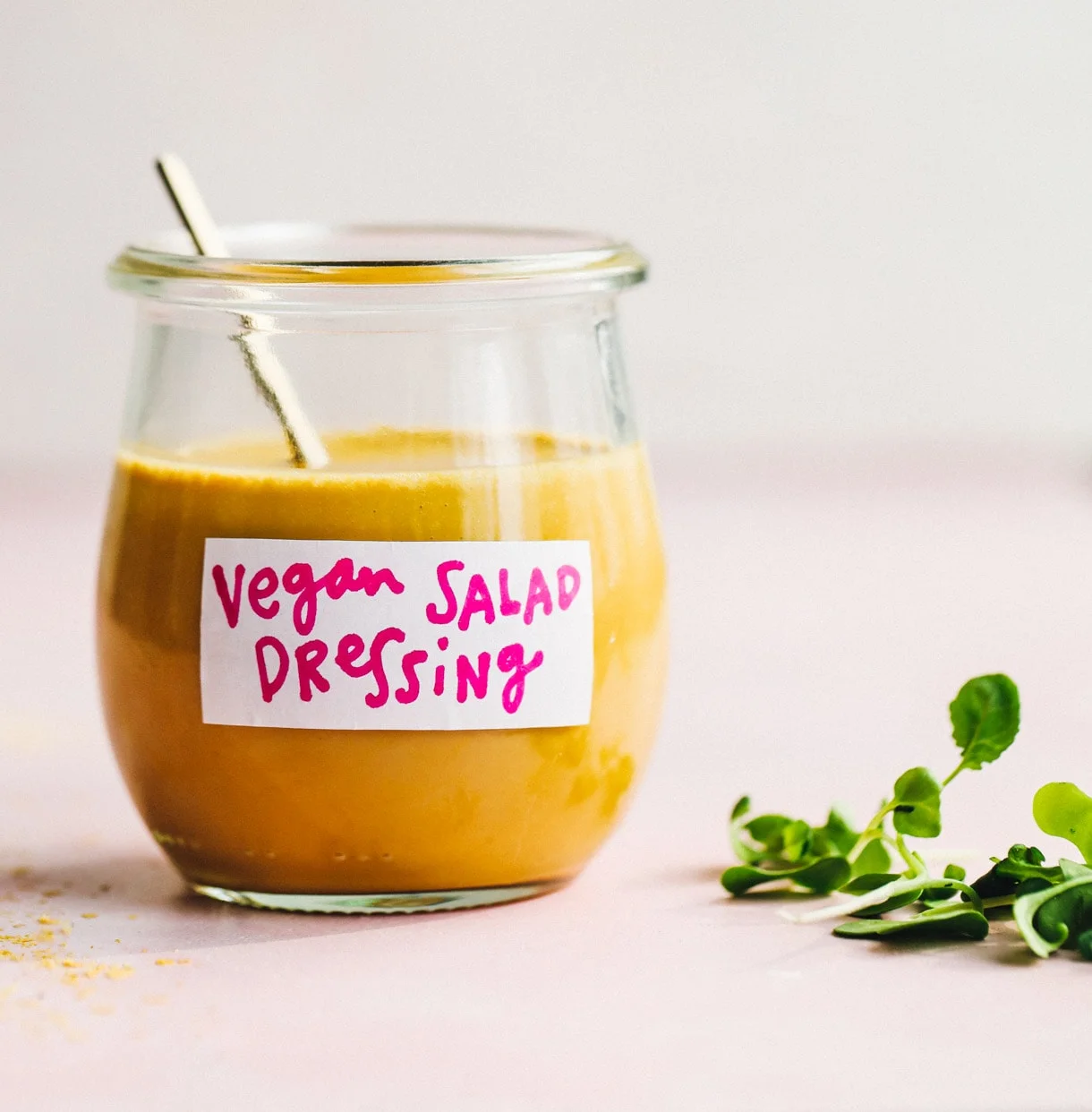
Embracing vegan dressings allows for creativity in the kitchen, as you experiment with diverse ingredients that are often already available at home. This not only saves money but also reduces food waste by putting pantry staples to good use.
The Beauty of Pantry Staples
Pantry staples are the unsung heroes of every kitchen. These ingredients, such as oils, vinegars, spices, and condiments, have long shelf lives and can be easily combined to create flavorful dressings in minutes. The beauty of relying on pantry staples is the accessibility; you don’t need to make a special trip to buy exotic ingredients. This accessibility encourages regular, enjoyable salad making.
Moreover, pantry staples provide a reliable foundation for experimenting with different taste profiles, making it possible to tailor dressings according to personal preferences, dietary needs, or whatever ingredients you have on hand.
Essential Pantry Staples for Vegan Dressings
Vinegars and Oils
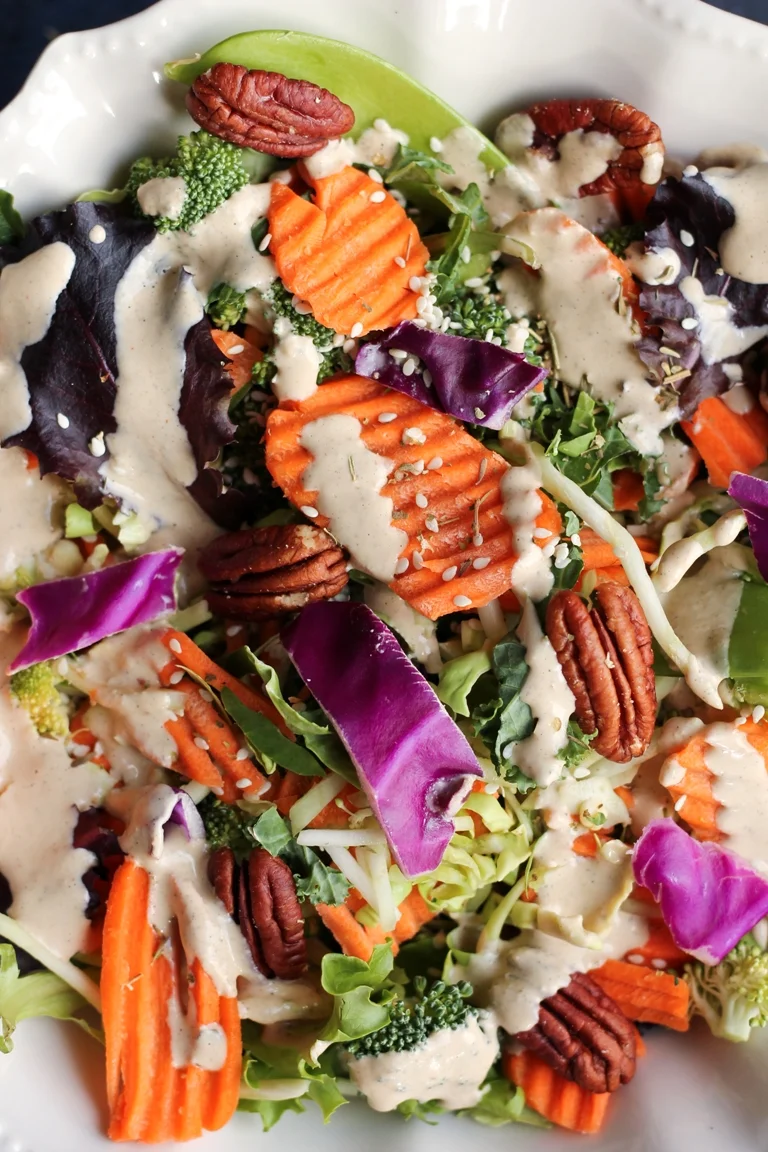
The cornerstone of most salad dressings is a balance between an acid and a fat. Vinegars such as apple cider, balsamic, rice, and red wine vinegars provide the tangy acidity that brightens the salad, while oils like extra virgin olive oil, avocado oil, or sunflower oil add richness and mouthfeel.
Understanding how different vinegars and oils complement various salad ingredients can transform a simple salad into a gourmet experience. For example, balsamic vinegar pairs wonderfully with sweet vegetables and fruits, while apple cider vinegar grants a milder tang that works well with heartier greens.
Spices and Herbs
Spices and herbs are where creativity truly shines. Pantry staples such as garlic powder, onion powder, dried oregano, basil, thyme, and crushed red pepper flakes can add layers of complexity and interest to your dressings. Fresh herbs can be swapped with dried ones when fresh is not available, keeping flavor vibrant without extra shopping.
By adjusting the amounts and combinations of spices, you can easily shift the dressing from a Mediterranean vibe to something with a hint of Asian or Latin flair, making every salad uniquely exciting.
Sweeteners and Condiments
Sweetness and umami are essential components in balancing the acidity and bitterness often found in salads. Maple syrup, agave nectar, or simple cane sugar serve as natural sweeteners that round out sharp flavors without overpowering the dressing.
Common condiments like Dijon mustard, miso paste, soy sauce, or tahini add depth and creaminess, enhancing texture and taste. Even a simple spoonful of peanut butter can transform a dressing into a sweet and nutty delight that complements fresh vegetables perfectly.
Top 5 Simple Vegan Salad Dressing Recipes
1. Tangy Mustard and Maple Vinaigrette
This vinaigrette combines the sharpness of Dijon mustard with the mellow sweetness of maple syrup. Start by whisking together two tablespoons of olive oil and one tablespoon of apple cider vinegar. Add a teaspoon of Dijon mustard and a teaspoon of maple syrup, then season with salt and pepper. The mustard emulsifies the dressing, ensuring it coats greens evenly, while the maple syrup balances the acidity beautifully.
2. Creamy Tahini and Lemon Dressing
For a creamy yet light dressing, whisk together three tablespoons of tahini with the juice of half a lemon. Thin the mixture with water, a tablespoon at a time, until you reach your desired consistency. Add a pinch of garlic powder and salt to taste. This dressing has a rich, nutty flavor with a zesty kick, perfect for hearty salads or roasted vegetables.
3. Zesty Garlic and Herb Dressing
This vibrant dressing starts with a base of four tablespoons of olive oil mixed with two tablespoons of red wine vinegar. Minced or powdered garlic adds pungency, while a teaspoon each of dried oregano and basil provides herbal notes. Season with salt and pepper, then whisk thoroughly. This dressing pairs well with Mediterranean salads or fresh garden greens.
4. Sweet and Spicy Peanut Dressing
This dressing introduces an exciting balance of flavors by combining two tablespoons of peanut butter with one tablespoon of soy sauce and one tablespoon of rice vinegar. Add a teaspoon of maple syrup or agave for sweetness and a pinch of crushed red pepper flakes for heat. Thin with water as needed to achieve a smooth consistency. It’s ideal for crunchy salads featuring cabbage, carrots, and bell peppers.
5. Classic Balsamic and Dijon Blend
To create a timeless dressing, mix three tablespoons of balsamic vinegar with one tablespoon of Dijon mustard. Slowly whisk in four tablespoons of olive oil until the dressing emulsifies. Add salt and freshly ground pepper to taste. This simple yet elegant dressing enhances any salad, from mixed greens to roasted beet salads.
Tips for Customizing Your Dressings
Balancing Flavors: Sweet, Sour, and Umami
When making your own dressings, achieving balance between sweet, sour, and umami flavors is essential. Start with the acid and oil in a 1:3 ratio, then slowly add sweeteners to ease acidity. Incorporate umami elements like soy sauce, miso, or nutritional yeast to deepen flavor complexity. Taste frequently and adjust incrementally rather than adding too much at once.
Using Texture to Enhance Your Salad Experience
Texture plays a subtle yet important role in salad dressings. Creamy bases like tahini or nut butters offer smoothness, while oils provide a silky feel. Adding finely minced garlic or grated ginger can introduce a slight bite without overwhelming other ingredients. Consider how your dressing complements the salad components to create a harmonious mouthfeel.
Storage and Shelf Life of Homemade Dressings
Most homemade vegan dressings made with pantry staples can last up to one week when stored properly in an airtight container in the refrigerator. Since these dressings do not contain preservatives, always check for changes in smell, appearance, or taste before use. Stir or shake well before serving, as natural separation is common.
Conclusion: Elevate Your Salads with Creativity and Simplicity
Creating vegan salad dressings using pantry staples is an approachable and rewarding endeavor. By understanding the essential ingredients and learning how to combine them step by step, you can unlock endless flavor possibilities without fuss or expense. Whether you prefer tangy, creamy, sweet, or spicy dressings, your pantry offers all the tools necessary to elevate your salads to new heights of taste and enjoyment.
Embrace the simplicity of these homemade dressings to make every salad a celebration of creativity and health, proving that delicious food doesn’t have to be complicated.


