

Understanding Hardwood Floor Finishes
Types of Finishes: Oil-based vs. Water-based
When maintaining hardwood floors, it is important to understand the type of finish applied, as it influences the cleaning methods and products suitable for use. Oil-based finishes provide a rich, warm glow and tend to be more durable but take longer to dry. Water-based finishes, on the other hand, dry quickly and produce a clearer appearance that preserves the natural color of the wood.
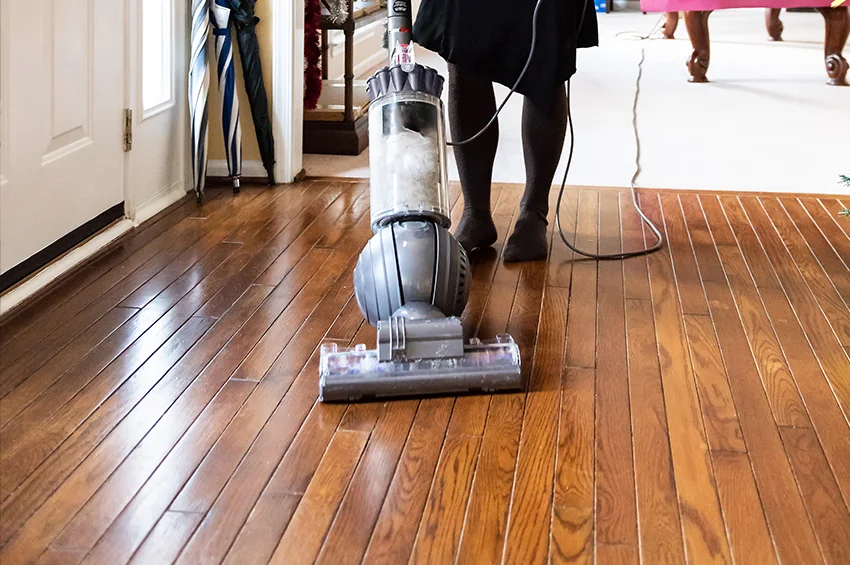
Choosing methods that complement the specific finish type will help in preserving the floor’s appearance and longevity. For example, water-based finishes can be more sensitive to harsh chemicals, so gentle products are preferable.
How Finishes Protect Your Floors
The finish on hardwood floors acts as a protective barrier that shields the wood from scratches, stains, and moisture. This layer prevents dirt and spills from penetrating deep into the wood fibers, making routine maintenance more effective. Because the finish absorbs the wear and tear, avoiding stripping it during cleaning is crucial for long-lasting protection. Continuous care ensures the floors maintain their resilience and aesthetic appeal over time.
Essential Tools and Cleaning Products
Choosing the Right Mop and Cloth
Selecting appropriate cleaning tools is a key factor in maintaining hardwood floors without damaging the finish. Soft microfiber mops and cloths are recommended because they attract dust and dirt without scratching the surface. Avoid using abrasive scrubbers or rough materials that could wear down the finish. Furthermore, mops that allow for slight dampness rather than soaking wet are ideal to minimize water exposure.
Safe Cleaning Solutions to Avoid Damage
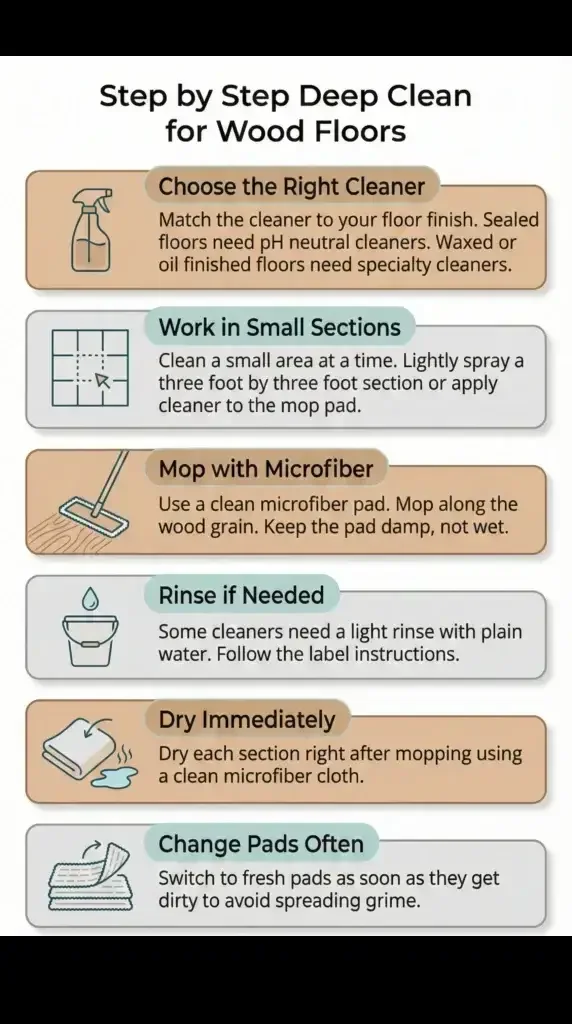
Using harsh chemicals can strip the protective finish of hardwood floors. Therefore, it is best to stick with cleaning solutions specifically designed for wood floors or mild mixtures like diluted vinegar in water applied sparingly. Harsh detergents, ammonia, and bleach should be avoided as they can dull or degrade the finish. Always test any new product on a small, inconspicuous area first to ensure it does not cause discoloration or damage.
Step-by-Step Deep Cleaning Routine
Initial Dusting and Debris Removal
The first step in a deep cleaning routine involves gently removing dust and loose debris. Use a dry microfiber mop or soft broom to sweep along the grain of the wood. This prevents pushing dirt into scratches and avoids creating swirls or uneven patterns. Consistent daily dry mopping removes fine particles before they have a chance to scratch the finish.
Spot Cleaning Stubborn Stains
For areas with stubborn stains, a targeted approach is more effective and less harmful than widespread scrubbing. Apply a small amount of a safe, wood-approved cleaner directly on the stain, and gently rub with a soft cloth following the grain. Avoid soaking the wood and never use steel wool or abrasive pads which can erode the finish. If stains persist, consider consulting a professional rather than escalating cleaning efforts that may cause harm.
Deep Cleaning Without Stripping the Finish
When it’s time for a deep clean, avoid using steam mops or floor washing machines as they introduce excessive moisture that can cause warping and damage to the finish. Instead, dampen a microfiber mop lightly and clean following the direction of the wood grain. Use only a few drops of a wood-specific floor cleaner diluted in water. This method ensures effective dirt removal while preserving the protective top layer.
Maintenance Tips to Prolong the Finish
Regular Sweeping and Vacuuming Habits
Maintaining hardwood floors begins with a consistent routine of gentle sweeping or vacuuming using a hardwood floor attachment. This prevents the buildup of dust and grit which can dull the finish and create scratches over time. Daily dry mopping is a safer, more effective alternative to frequent deep cleans that use harsh chemicals. Being mindful and consistent in these habits helps to prevent long-term damage.
Using Area Rugs and Furniture Pads
Incorporating area rugs in high-traffic spaces and placing furniture pads under heavy items can greatly reduce wear on hardwood floors. Rugs offer a protective barrier against dirt and grit brought in by shoes, while pads minimize the risk of scratches from furniture movement. Additionally, designating house shoes to be worn indoors protects floors from outdoor debris. These small preventative steps play a major role in preserving the finish.
Common Mistakes to Avoid When Cleaning Hardwood Floors
Why Avoid Excess Water and Harsh Chemicals
One of the most frequent errors in hardwood floor care is using too much water. Excess moisture seeps into the wood, causing swelling, warping, and finish separation. Steam mops and soaking methods are especially damaging. Similarly, harsh chemicals and abrasive cleaning agents can strip the finish, leaving floors vulnerable to stains and scratches. Sticking to gentle cleaning practices is essential to maintaining the protective coating.
Impact of Frequent Stripping and Refinishing
While occasional professional refinishing can restore the appearance of hardwood floors, doing it too frequently can reduce the wood’s lifespan. Stripping the finish removes a thin layer of wood along with accumulated grime, but overdoing it exposes the natural surface to damage. Regular professional cleanings can address deep grime without full stripping and allow experts to spot and treat minor issues early, preventing costly repairs in the future.


