

Why Bedroom Environment Matters for Better Sleep
The Science Behind Sleep and Environment
Our sleep quality is deeply influenced by the environment we sleep in. The brain processes external cues such as light, noise, and temperature while preparing the body for rest. These elements subtly signal when it’s time to wake and when to relax. For instance, dim lighting helps increase melatonin production, the hormone that guides our sleep-wake cycles. When the environment is off balance—too bright, noisy, or uncomfortable—our natural rhythms can be disrupted, making it harder to fall asleep or achieve deep restorative rest.
Common Bedroom Factors That Disrupt Sleep
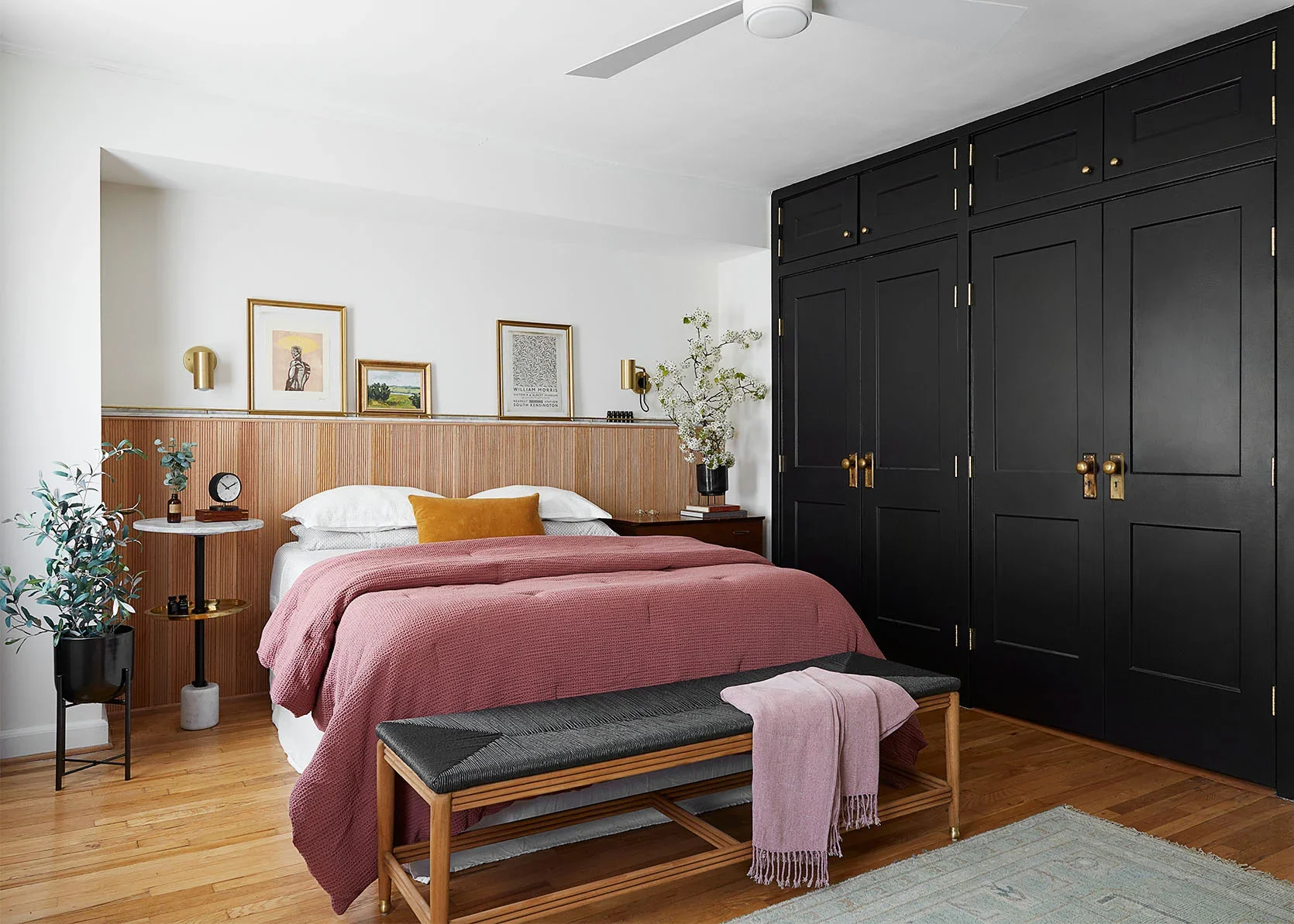
Many bedroom characteristics we might overlook can interfere with a good night’s sleep. Excess light from streetlights or electronic devices may confuse your brain’s sense of day and night. Noise disturbances, even faint ones, can similarly interrupt your progression through sleep stages. Temperature also plays a crucial role; a room that’s too warm often causes restlessness. Moreover, uncomfortable mattresses or pillows that fail to support proper alignment can result in physical discomfort, preventing relaxation. Cluttered spaces or having work-related items and screens in the bedroom also associate the room with alertness rather than rest.
Effective Simple Adjustments to Your Bedroom Setup
Optimizing Lighting: From Natural to Artificial
Ensuring your bedroom lighting aligns with your body’s natural rhythms can greatly improve how easily you fall asleep. Making a habit of dimming lights gradually in the evening signals your brain to wind down. Blackout curtains or shades can block out external light sources, sustaining darkness throughout the night. Removing or covering electronic devices that emit blue light also helps. For those traveling, an eye mask can recreate the sensation of darkness and promote relaxation, reinforcing the association between darkness and sleep even in unfamiliar places.
Improving Air Quality and Circulation
Quality sleep depends on clean, fresh air that circulates well without becoming too dry or stagnant. Opening windows occasionally promotes airflow and can reduce indoor pollutants. Using breathable bedding materials like cotton or bamboo supports better skin ventilation, preventing overheating. Avoiding heavy or synthetic fabrics in bedding and sleepwear can help maintain comfort throughout the night. Fresh air and proper circulation refresh the room and reduce irritants that can disturb breathing during rest.
Choosing the Right Bedding Materials
The textures and materials in your bed can make a surprising difference. Breathable fabrics such as cotton, silk, or bamboo allow moisture and heat to escape, keeping you cool and comfortable. Experimenting with different sheets and blankets helps you discover the ideal feel. For shared beds, cooling mattress covers split in half can cater to individual temperature preferences. Choosing bedding that suits your tendency to run hot or cold, and your preferred sleep position, elevates physical comfort and facilitates deeper relaxation.
Temperature Tweaks for a Sleep-Friendly Room
Ideal Temperature Range for Sleep
Our bodies naturally cool down when preparing for sleep, so maintaining a cool bedroom environment often encourages more restful sleep. The ideal range tends to hover around 60 to 67 degrees Fahrenheit, though personal preferences can vary. A room that is too warm, such as around 70 degrees or higher, can hinder the body’s ability to cool down effectively. Adjusting the temperature to a cooler setting supports the natural drop in core temperature that promotes falling and staying asleep.
How to Adjust Temperature Without Expensive Equipment
You don’t need a fancy thermostat to create a cooler bedroom environment. One method involves gradually reducing your bedroom temperature by one degree every few days until you find the most comfortable coolness. Taking a warm bath about 90 minutes before bedtime can help lower your core body temperature afterward, signaling your body to prepare for sleep. Using cooling materials in bedding and wearing breathable sleepwear also contributes to better temperature regulation. Fans can provide gentle airflow without causing disruptive noise.
Minimalist Design for Maximizing Sleep Comfort
Decluttering Strategies That Promote Calmness
A clutter-free bedroom can foster a sense of calm and order, both of which are beneficial for sleep. Reducing excess furniture, clearing out unnecessary items, and creating dedicated spaces for relaxation rather than work helps the mind associate the room purely with rest. Simple storage solutions keep surfaces tidy, preventing mental distractions that clutter can cause. When your bedroom feels peaceful and orderly, it’s easier to relax and transition into sleep mode at night.
Color Schemes and Their Effects on Sleep Quality
Colors influence mood and energy levels more than we might realize. Soft, cool tones such as blues, greens, and gentle neutrals tend to promote tranquility and lower anxiety, which is ideal for sleep environments. Bright or stimulating hues like red or yellow may energize or stress the senses, making it harder to wind down. Choosing a restful color palette that appeals to your sense of calm can subtly support a more peaceful sleep ambiance.
Incorporating Natural Elements into Your Bedroom
Plants That Help Purify the Air and Relax the Mind

Adding certain indoor plants to your bedroom can boost air quality by filtering out toxins, while also delivering a soothing touch of nature. Plants like snake plants, peace lilies, and aloe vera are known for their air-purifying qualities. Beyond air benefits, their presence can create a visual and emotional connection to nature, which has been shown to lower stress levels and promote relaxation. Just be sure to choose plants that don’t trigger allergies or require excessive care during the night.
Essential Oils and Natural Scents to Boost Sleep
Natural scents, especially lavender, have long been associated with relaxation and sleep promotion. Spritzing your pillow lightly with lavender spray or diffusing calming essential oils in the bedroom can create a comforting and inviting atmosphere. The familiar aroma helps cue the brain to recognize it’s time to rest. Using these scents consistently as part of your bedtime routine can reinforce peaceful associations and help ease you into sleep naturally.
Additional Tips for Maintaining a Sleep-Enhancing Bedroom
Creating a Pre-Sleep Routine Within Your Bedroom
Establishing a consistent pre-sleep routine strengthens the connection between your bedroom and restful habits. This can include dimming the lights, spritzing your pillow, and perhaps reading a few pages of a book. Avoiding stimulating activities or screen use in the bedroom reduces blue light exposure, helping your brain prepare for sleep more easily. When your brain learns to associate these behaviors and the bedroom environment with winding down, falling asleep becomes more effortless.
Regular Maintenance and Cleanliness
Keeping your bedroom clean and well-maintained avoids distractions and irritants that can interfere with sleep. Regular washing of bedding removes dust mites and allergens, ensuring comfort. Vacuuming and dusting reduces airborne particles, while checking for any odors or dampness prevents discomfort. A tidy and fresh-smelling room invites relaxation, making it easier to settle into restful sleep night after night.


