

Introduction to Wood Chips and BBQ Flavor Enhancement
Understanding Wood Smoke and Its Impact on Meat
Wood smoke is a critical element in barbecue smoking that deeply influences the flavor profile of the meat. When wood chips burn, they release aromatic compounds that infuse into the meat, adding depth and complexity. The choice of wood affects not only the intensity of the smoke but also the subtle nuances in taste, from sweet and fruity to bold and earthy. Understanding this connection helps in selecting the right wood chips tailored to each type of BBQ meat.
Common Wood Types Used in BBQ
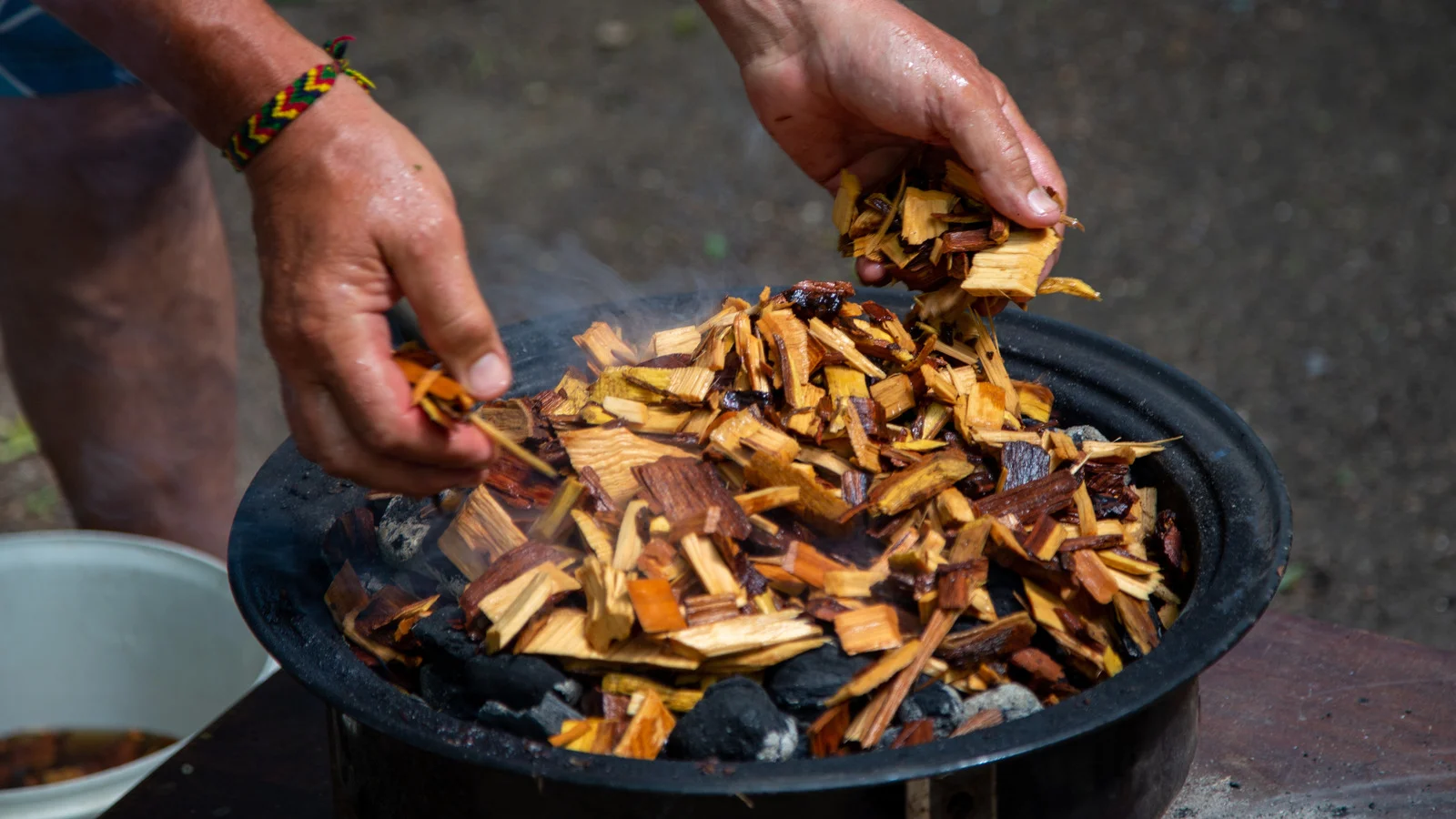
Barbecue enthusiasts commonly use a variety of wood chips that fall into distinct categories based on their flavor profiles. Fruitwoods like apple and cherry offer a delicate sweetness, while hardwoods such as hickory and mesquite provide a stronger, richer smoke. Specialty woods like pecan and maple add unique nuances. Selecting the right type depends on the desired flavor balance and the particular meat being smoked.
Profiling Wood Chips: Characteristics and Flavor Notes
Fruit Woods: Apple, Cherry, and Peach
Fruitwood chips are prized for their mild, sweet smoke that enhances rather than overwhelms meat. Apple wood lends a smooth, subtly sweet flavor ideal for lighter meats such as poultry and pork. Cherry wood contributes a fruity, slightly tart smoke that also imparts a pleasant reddish hue to the meat’s surface. Peach wood, though less common, provides a gentle sweetness with a hint of floral aroma, making it a refined choice for delicate proteins.
Hardwoods: Hickory, Mesquite, and Oak
Hardwoods deliver more pronounced smokiness. Hickory is known for its robust, bacon-like richness, often favored for ribs and pulled pork. Mesquite offers a very bold and intense smoke; it has a strong flavor that requires moderation or blending to avoid overpowering the meat. Oak is versatile with a medium smoke intensity, pairing well with many meats and delivering a smooth, traditional wood-smoke flavor.
Specialty Woods: Pecan, Alder, and Maple
Specialty woods provide nuanced flavors that cater to specific tastes. Pecan wood offers a mild, nutty, and slightly sweet smoke that complements a variety of meats without overwhelming. Alder has a delicate, slightly sweet profile, historically preferred for fish and lighter meats. Maple wood is known for sweet, gentle smoke notes, making it a great match for poultry, pork, and cheese for added flavor complexity.
Pairing Wood Chips with Different BBQ Meats
Beef: Bold Woods for Rich Flavors
Beef, with its rich and hearty texture, pairs well with strong smoky flavors. Hickory is a top choice, delivering boldness that complements beef’s full-bodied taste. Mesquite adds intensity but should be used carefully to avoid bitterness. Oak and pecan woods provide balanced smoke profiles, enriching the meat with a combination of strength and subtlety that suits various beef cuts from brisket to steaks.
Pork: Sweet and Mild Wood Choices
Pork benefits from wood chips that enhance its natural sweetness. Apple and cherry woods offer gentle, fruity smoke that highlights pork’s savory notes without overpowering. Hickory and maple woods add richness and depth, especially for pulled pork or shoulder cuts, creating a complex flavor profile that is both sweet and smoky. These woods help bring out pork’s tenderness and subtle sweetness.
Chicken: Light and Fruity Wood Pairings
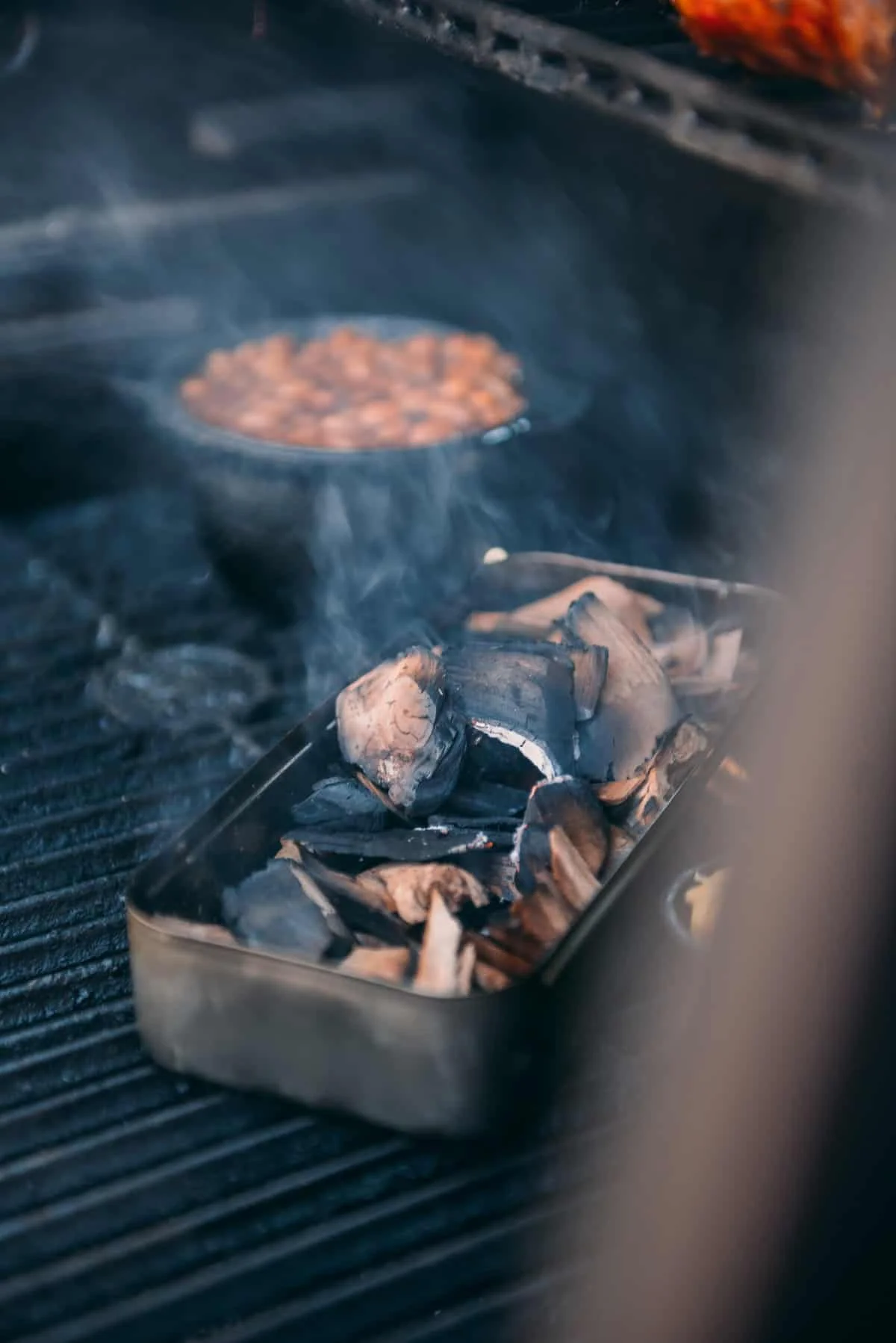
Poultry pairs best with light, fruity smoke flavors that complement its mild flavor. Apple and cherry woods inject a sweet, aromatic smoke that enhances chicken without masking its natural taste. Pecan and hickory also work well, providing warmth and a touch of nuttiness or richness, respectively. These options allow the delicate flavor of chicken to shine through while adding depth.
Fish and Seafood: Delicate Wood Flavors
Seafood requires softer, more subtle smoke due to its delicate texture and flavor. Maple and oak woods are preferred for their mild, sweet smoke, which complements rather than dominates. Alder is another excellent choice, delivering a light, slightly sweet aroma that enhances fish varieties like salmon or white fish. Using fruitwoods can also pair nicely, offering a hint of sweetness that brightens the seafood’s flavor.
Creative Wood Chip Combinations for Unique BBQ Profiles
Sweet and Smoky Blends
Combining fruitwoods like apple or cherry with hardwoods such as hickory can create a perfectly balanced sweet and smoky profile. The fruitwood offers delicate sweetness while the hardwood adds depth and richness. This blend works well with pork and poultry, providing complexity without overwhelming the meat’s natural flavors.
Spicy and Earthy Mixes
For those seeking bolder profiles, mixing mesquite with pecan or oak chips brings an earthy, spicy dimension. Mesquite’s strength is tempered by the milder, nutty flavors of pecan or the smoothness of oak. This combination is suited for beef or game meats, where robust smoke character complements their intense flavors.
Light and Aromatic Fusion
A fusion of maple, alder, and cherry wood chips delivers a light and aromatic smoke, enhancing subtle meats like fish and chicken. These woods together provide sweetness, softness, and a touch of fruitiness, making each bite nuanced and flavorful. This type of blend encourages experimentation for a personalized BBQ flavor profile.
Practical Tips for Using Wood Chips in BBQ Smoking
Soaking vs. Dry Usage
Many pitmasters debate whether to soak wood chips before smoking. Soaking can slow the burn rate, extending smoke output, but it may produce less intense smoke. Dry chips ignite quickly, providing immediate strong smoke but for a shorter duration. The choice depends on the desired smoke intensity and cooking time.
Managing Smoke Intensity
Controlling smoke strength is vital. Strong woods like mesquite should be used sparingly or blended with milder woods to prevent overpowering meats. Monitoring smoke color and quantity during cooking ensures balance – thin blue smoke is ideal, while thick white smoke can impart bitter flavors.
Wood Chip Quantity and Timing
Adding wood chips in measured amounts throughout cooking helps maintain consistent smoke flavor. Overloading chips can cause flare-ups or harsh smoke. Introducing chips in intervals allows the smoke to layer gradually, enhancing flavor complexity without overwhelming the meat.
Conclusion: Mastering Flavor through Wood Chip Choices
Selecting the best wood chip combinations is essential for elevating BBQ meat flavors. Understanding each wood’s characteristics and pairing them thoughtfully with meat types unlocks a spectrum of taste possibilities. Experimentation remains key to discovering your perfect smoked flavor, allowing for personalized profiles that transform barbecue into a craft of nuanced artistry.


