

Introduction: Why Decluttering Your Pantry Matters
Imagine opening your pantry and instantly finding the ingredients you need without digging through a mountain of expired cans and forgotten snacks. Decluttering your pantry not only saves time during meal prep but also reduces food waste and saves money. A well-organized pantry can reduce the temptation to overbuy and ensure you use up what you already have. This guide walks you through decluttering and organizing your pantry on a budget, transforming it into a functional space that fits your lifestyle.
Preparation Before You Start
Gathering Essential Supplies Without Breaking the Bank
Before diving into decluttering, gather basic supplies without spending a fortune. Many items you already have can serve as organizers, such as clean jars from pasta sauces, leftovers containers from takeout, or even sturdy snack bins. For labeling, a simple labeling machine or handwritten labels on adhesive vinyl can work wonders. Alcohol wipes are handy for prepping surfaces before sticking hooks or labels. A small stack of open-front bins or baskets collected gradually from thrift stores also helps keep categories separated without expensive purchases.
Setting Realistic Goals for a Budget-Friendly Makeover
Decluttering a pantry can feel overwhelming if tackled all at once. Setting manageable goals over several days avoids burnout and fits better into a busy schedule. Plan short sessions every other day, focusing on one shelf or category at a time. This approach allows you flexibility and lets you spot duplicates or expired items without rushing. If extra time appears one day, feel free to do more than one task, but avoid forcing lengthy sessions on yourself.
Step 1: Empty and Assess Your Pantry
Sorting Items: Keep, Donate, or Toss
Start by removing every item from your pantry and placing them on a counter or table. This visible spread reveals duplicate products, forgotten snacks, and expired goods that might have slipped your notice. Group items based on whether you’ll keep them, donate unopened goods, or toss expired or spoiled items. For example, you might find three cans of the same soup expiring soon—keep one and donate or toss the rest. This step helps clarify exactly what you have and what you actually need moving forward.
Step 2: Clean Your Pantry Space Thoroughly
With the pantry empty, take the chance to scrub shelves, wipe down walls, and vacuum the floor. Cleaning removes crumbs and dust, preventing pests and creating a fresh start. It’s smart to use a mild cleaner or disinfectant on shelf surfaces and pay special attention to corners where food debris tends to accumulate. This effort not only refreshes the space but also makes the next steps more enjoyable and effective.
Step 3: Categorize Food Items for Easy Access
Grouping by Type, Frequency of Use, and Expiration
After cleaning, sort pantry items into categories that make sense for your cooking habits. Group similar foods such as baking ingredients, canned goods, snacks, and grains. It’s helpful to arrange items by how often you use them—things you grab daily should be most accessible, while less frequent items can go on higher or lower shelves. Additionally, consider expiration dates so you can place items nearing their use-by date at the front for quick consumption. This method keeps your pantry logical and user-friendly.
Step 4: Budget-Friendly Storage Solutions
DIY Organizers from Household Items
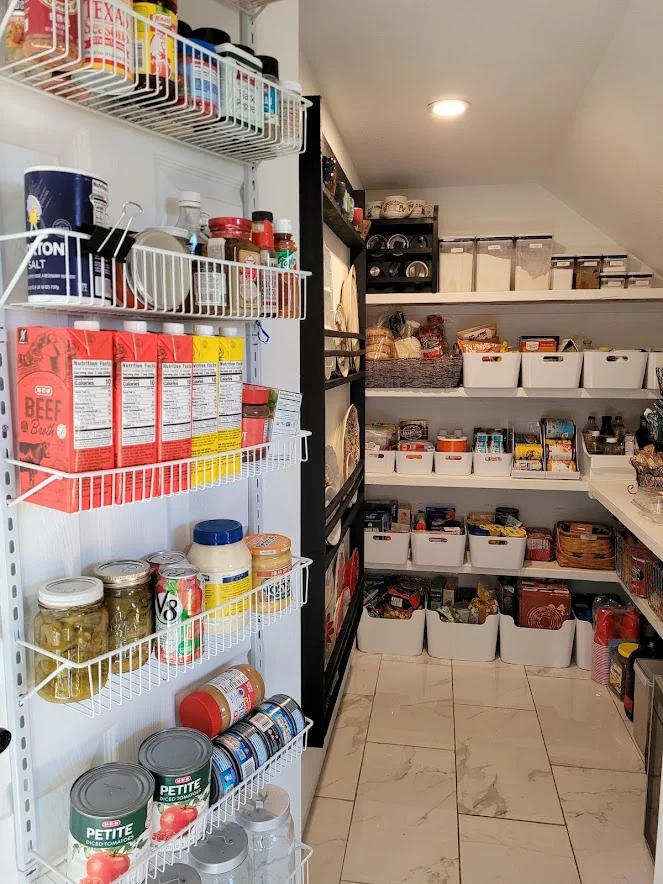
Innovative organizing doesn’t require expensive gear. For example, repurpose clean takeout quart containers and sauce jars as clear storage to hold pantry staples like rice or beans. Open-front bins made from old shoeboxes or plastic crates simplify inventorying small snacks while making them easy to grab. Wooden boxes or baskets function well on wire shelves to prevent smaller items from falling through gaps. Such DIY solutions leverage what you already own while enhancing pantry functionality.
Affordable Containers and Labels You Can Use
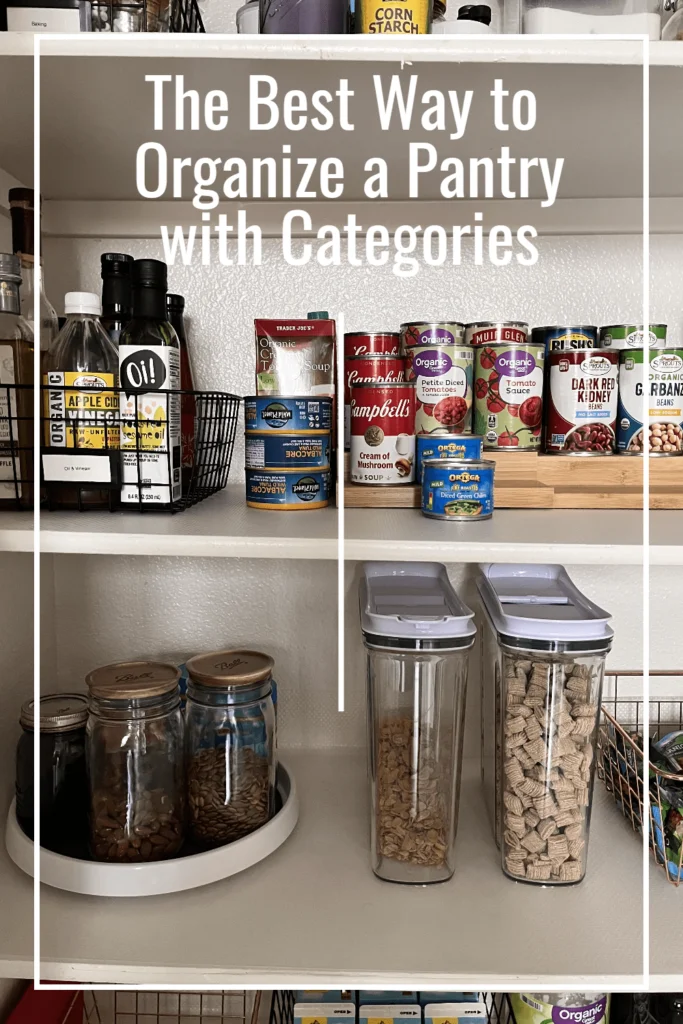
Clear containers help monitor quantities at a glance, though if they feel frustrating, it’s okay to skip them and use a system that suits you. Labeling is key to stress-free pantry management. Using a labeling machine with adhesive vinyl creates professional-looking tags that can withstand kitchen humidity. Including cooking instructions inside clear containers, such as specific temperature or timing notes, prevents guesswork and reduces food waste from overcooking. These affordable touches upgrade your pantry’s efficiency.
Step 5: Implementing the New Layout
Maximizing Space with Vertical and Clear Storage
A smart layout makes the most of vertical space. Using tiered shelving for spices acts like stadium seating, letting you see everything at a glance. Racks for canned goods mimic grocery store convenience, stacking items so none get lost behind others. Risers allow stacking baked goods or boxed mixes while keeping visibility intact. Assigning zones based on your most-used categories means snacks, baking, or smoothie items each have a dedicated spot, such as a ‘smoothie basket’ that you can take out all at once. These thoughtful touches optimize space and save time.
Maintenance Tips to Keep Your Pantry Organized
Keeping your organized pantry intact relies on simple routines. Regularly wipe down shelves and vacuum any debris. As you shop, avoid buying more than what you plan to use soon, which helps prevent clutter and waste. Using labeled bins for snacks and backstock keeps everything contained and easy to access. It’s helpful to do a pantry purge just before grocery trips when the space is emptiest, giving you a clear idea of what you truly need. Over time, organizing becomes second nature when every item has a purposeful place.
Conclusion: The Benefits of a Decluttered Pantry on Your Budget and Lifestyle
Decluttering your pantry on a budget transforms more than just a storage space. It saves money by reducing food waste and prevents unnecessary purchases caused by disorganization. A tidy pantry lowers stress during mealtime, making cooking more enjoyable. With small investments of time and repurposed household items, anyone can create a streamlined, efficient pantry. This practical guide offers a blueprint to reclaim your kitchen space and support a healthier, more economical lifestyle.


