

Introduction to Low-Impact Exercises for Beginners
Why Low-Impact Workouts Are Ideal for Absolute Beginners
Starting a fitness routine can be daunting, especially for those who have never exercised regularly before. High-impact workouts often come with a steep learning curve and can increase the risk of injury when performed incorrectly. Low-impact exercises provide a gentler introduction to fitness, allowing beginners to build strength and endurance without overwhelming their bodies. These workouts minimize stress on joints and muscles, making them ideal for individuals who are overweight, older, or dealing with chronic conditions.
Common Injuries Prevented by Low-Impact Fitness
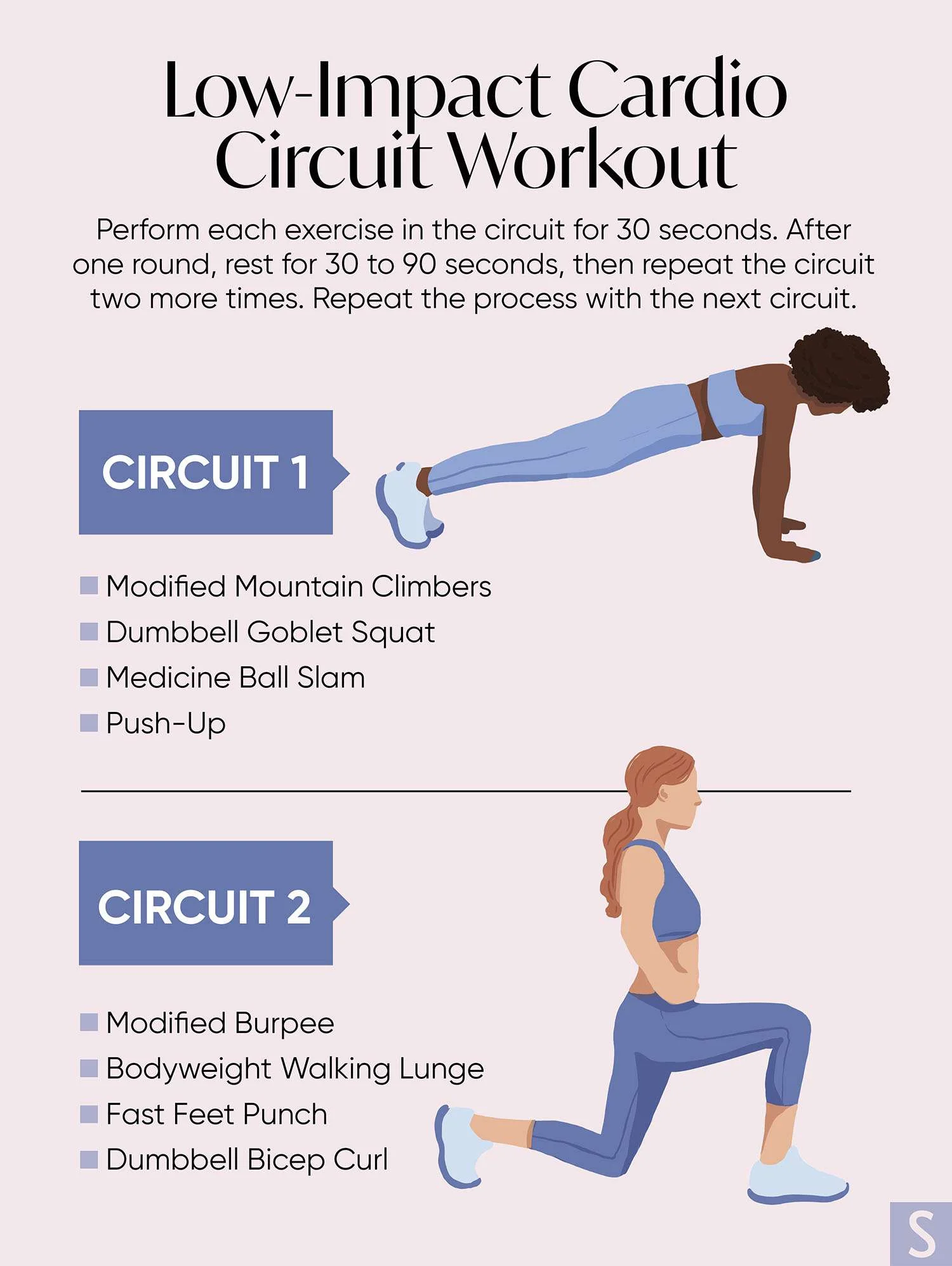
Many common injuries experienced by fitness beginners stem from excessive strain, improper form, or sudden increases in intensity. These injuries typically include sprains, strains, tendonitis, and stress fractures, especially in weight-bearing joints like knees, hips, and ankles. Low-impact exercises reduce the likelihood of these injuries by promoting controlled movements and steady progression. This approach safeguards beginners from setbacks that can discourage ongoing participation in physical activity.
Top Low-Impact Exercises Explained
Walking and Its Benefits for Injury Prevention
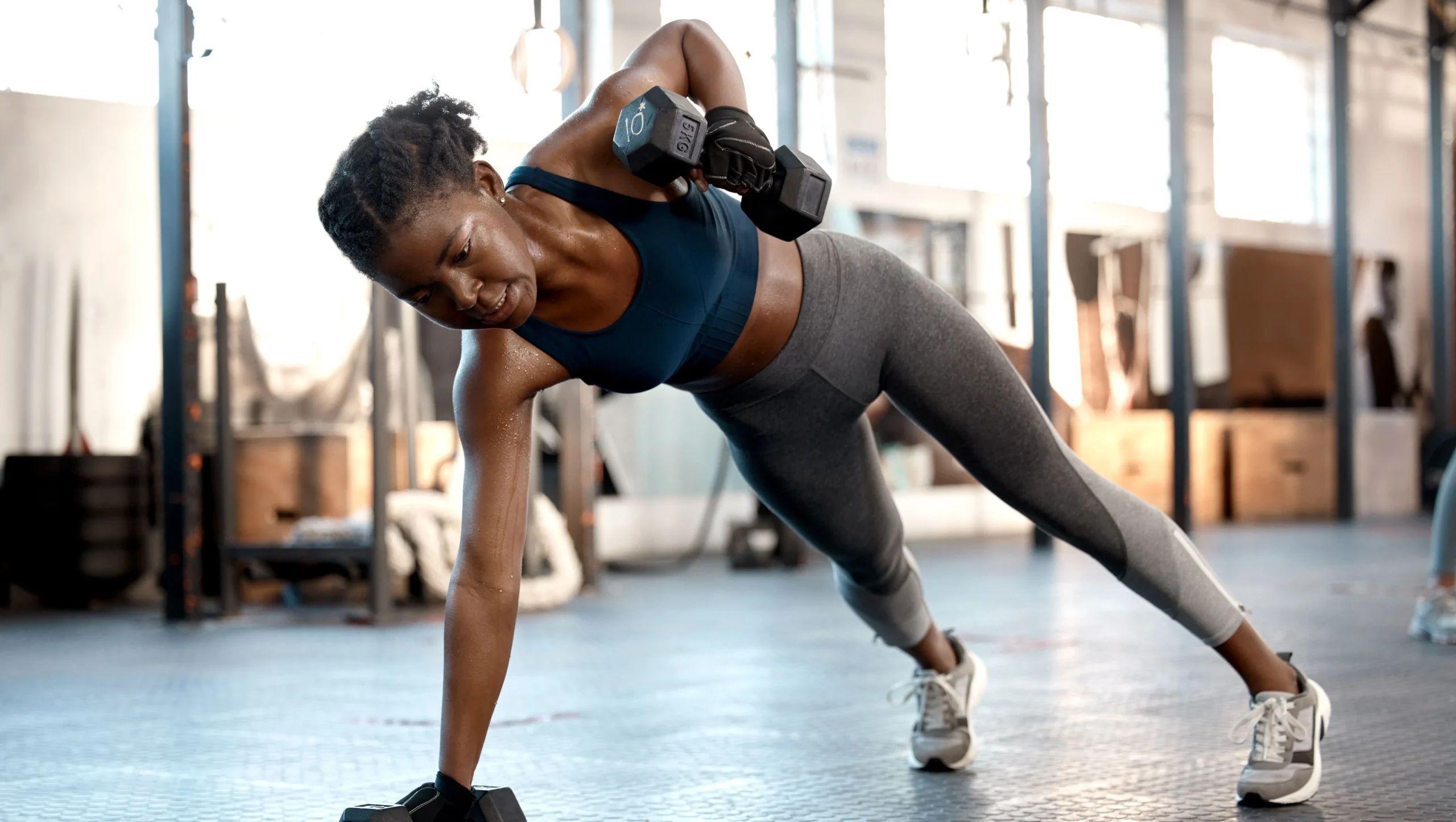
Walking is one of the most accessible and effective low-impact exercises for newcomers. It carries minimal injury risk because it is a natural, familiar movement for most people. Unlike running, walking places less force on weight-bearing joints, reducing wear and tear. Additionally, walking improves cardiovascular health, strengthens muscles, and enhances balance without requiring special skills or equipment beyond a comfortable pair of shoes. Regular walking can help build a foundation of fitness safely and consistently.
Swimming: Full Body Workout Without Strain
Swimming offers a unique combination of cardiovascular and muscular benefits while virtually eliminating joint compression. The buoyancy of water supports body weight, allowing for fluid, low-impact movements that engage both upper and lower body muscles. This is especially important for individuals with arthritis or mobility concerns, as swimming can improve flexibility, strength, and endurance without risk of falling or joint injury. Moreover, the water’s resistance gently challenges muscles, making it an excellent choice for gradual strength building.
Yoga Poses for Building Strength Gently
Yoga is widely recommended for beginners because it strengthens the core and improves flexibility without strenuous impact. Many yoga poses focus on controlled breathing and slow, deliberate movements that build muscle tone and reduce back pain. Yoga also releases endorphins, which can reduce stress and increase motivation to continue exercising. By emphasizing alignment and balance, yoga helps develop body awareness, lowering the chance of injury during more intense physical activities later on.
Pilates: Core Control Without High Impact
Pilates shares common ground with yoga but hones in more specifically on core strength and stability. It uses precise movements to strengthen deep abdominal muscles that support the spine. This focus helps prevent common injuries related to poor posture and weak core muscles, such as lower back strain. Pilates exercises are low-impact by design, involving controlled, slow movements without jolts or abrupt exertion. For beginners, this makes Pilates a safe way to build essential muscle control and improve overall body mechanics.
How to Start a Low-Impact Exercise Routine Safely
Assessing Your Current Fitness Level
Beginning any new exercise program necessitates an honest assessment of your starting point. For absolute beginners, this means understanding current mobility, endurance, strength, and any pre-existing health issues. Simple self-assessments, such as timing a short walk or testing flexibility, can provide valuable insights. Consulting a healthcare provider before starting is also advisable, especially for those with chronic conditions. This step ensures that exercises are tailored to individual capacity, reducing injury risk.
Essential Equipment for Beginners
Low-impact workouts generally require minimal equipment, but some basic items can enhance safety and comfort. Proper footwear is essential to provide support and cushioning during activities like walking or cycling. For swimming, access to a pool and appropriate swimwear are necessary. Yoga mats offer cushioning and prevent slipping during poses, while resistance bands and light weights can assist with strength training. Investing in quality equipment suited to the chosen activity supports proper form and reduces the chance of strain or injury.
Warm-Up and Cool-Down Strategies to Avoid Injury
Skipping warm-ups and cool-downs is a common mistake that increases injury risk. Warm-ups prepare muscles and joints by gradually increasing heart rate and blood flow, reducing stiffness. Simple dynamic stretches or light cardio such as marching in place can be effective. Cool-downs help prevent muscle soreness and promote flexibility through gentle stretching and deep breathing. Incorporating these practices before and after every session enhances recovery and protects against injury.
Adapting Exercises to Different Fitness Levels
Modifications for Joint Pain and Mobility Issues
Beginners with joint pain or limited mobility often hesitate to exercise due to fear of worsening their condition. However, low-impact activities can be modified to accommodate these challenges. For example, individuals experiencing knee pain can reduce stride length during walking or use a stationary bike with adjustable resistance. Water-based exercises can be particularly beneficial for those with arthritis, as buoyancy alleviates joint stress. Listening to the body and adjusting exercises accordingly ensures safe, progressive improvement.
Gradually Increasing Intensity While Staying Safe
Progression is vital to gaining fitness benefits but must be managed carefully. Increasing duration, frequency, or resistance too quickly can lead to overuse injuries. Instead, small incremental changes—such as adding five minutes to a workout or slightly enhancing resistance on equipment—allow the body to adapt safely. Alternating between different types of exercises also prevents overloading the same muscles or joints repeatedly. Patience and mindful progression are key to long-term success without injury.
Additional Tips for Injury Prevention in Beginners
Nutrition and Hydration Support
Proper nutrition and hydration play an essential role in injury prevention and overall fitness. Consuming balanced meals rich in nutrients supports muscle repair and energy levels. Hydration maintains joint lubrication and prevents cramps or dizziness during exercise. Beginners should aim to drink water before, during, and after workouts, and focus on whole foods that provide vitamins, minerals, and protein. These habits enhance workout effectiveness and aid recovery.
Importance of Rest and Recovery
Many beginners underestimate the need for rest and recovery, which can lead to fatigue and injury. Muscles need time to repair and strengthen between workouts. Overtraining without adequate rest can cause chronic soreness, inflammation, or more serious injuries. Interspersing active recovery days—such as gentle walking or stretching—and ensuring restful sleep helps maintain energy and reduce injury risk. Respecting the body’s signals to slow down is a cornerstone of sustainable fitness.
Success Stories: Beginners Who Thrived with Low-Impact Fitness
Countless beginners have transformed their health and wellbeing through low-impact exercise routines. For instance, Jane, a middle-aged woman with knee arthritis, began swimming three times a week. Over months, her pain significantly decreased, and her mobility improved without episodes of injury. Similarly, Mark, a sedentary older adult, started with daily walking and yoga sessions, gradually building strength and balance that enabled him to enjoy activities with his grandchildren. These stories highlight how accessible, safe exercises lead to lasting benefits when performed with care and consistency.


