

Why Choose Winter Vegetables for Container Gardening?
Benefits of Growing Vegetables in Small Spaces
Container gardening opens up opportunities for those with limited outdoor space. Whether you have a balcony, patio, or just a sunny windowsill, small containers can produce an impressive harvest. Growing vegetables in containers reduces soil-borne diseases and allows better control over growing conditions. Additionally, containers are portable, making it easier to adjust their location for optimal sunlight and weather protection.
Advantages of Winter Gardening
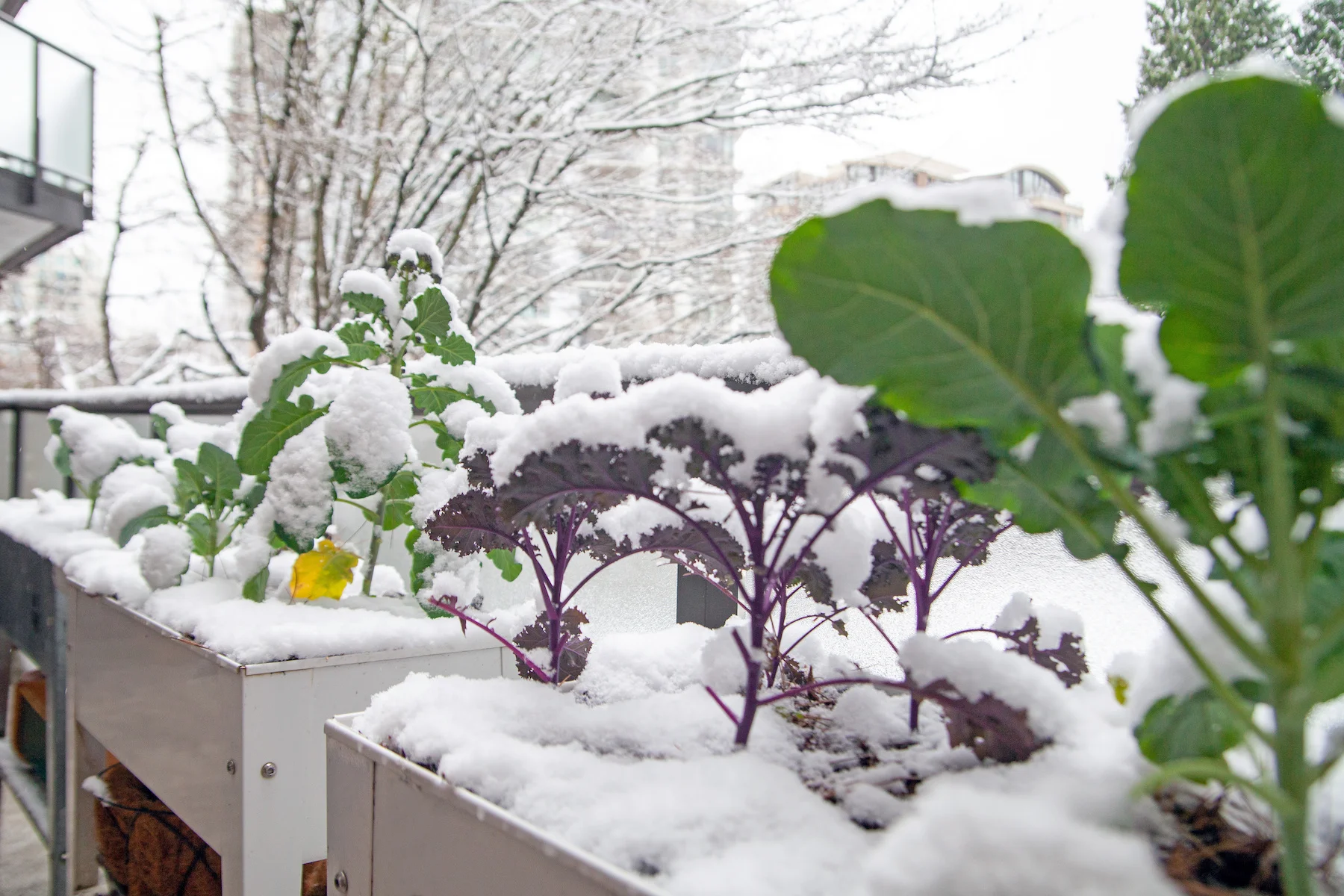
Winter gardening extends your growing season and ensures a fresh supply of nutritious vegetables when outdoor gardens often lie dormant. Many winter crops tolerate cold temperatures, and some even improve in flavor after exposure to frost. Growing winter vegetables indoors or in sheltered outdoor containers helps maximize food production year-round. This approach also reduces grocery bills and lessens the environmental impact of transporting produce.
Top Winter Vegetables Suitable for Containers
Leafy Greens: Spinach, Kale, and Swiss Chard
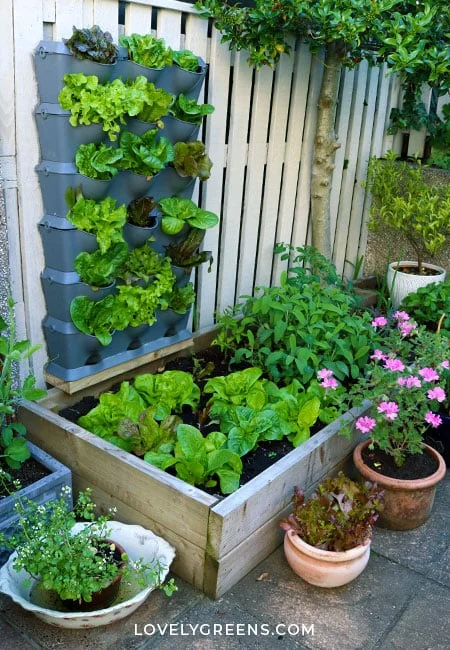
Leafy greens are ideal for container gardening during winter. Spinach grows quickly and tolerates cold well, producing tender leaves in smaller pots. Kale offers a longer harvest window and thrives indoors when provided adequate light. Swiss chard adds color and nutrition, with vibrant stems that make a striking addition to winter containers. Each of these greens can be harvested continuously by picking outer leaves, encouraging new growth.
Root Vegetables: Carrots, Radishes, and Turnips
Root vegetables require deeper containers but adapt well to container settings. Carrots need loose, well-draining soil to allow proper root development. Radishes mature rapidly and are especially rewarding because they can be grown in smaller containers, making them excellent for beginners. Turnips are cold-hardy and provide both edible roots and greens, doubling the yield from one plant. Select compact or baby varieties to maximize space in containers.
Other Cold-Hardy Choices: Brussels Sprouts and Broccoli
Brussels sprouts and broccoli are sturdy vegetables that tolerate winter cold when grown in containers. Broccoli requires more space and nutrient-rich soil but rewards gardeners with tasty heads and tender baby shoots. Brussels sprouts grow well if given support such as stakes or trellises attached to container edges. Both vegetables benefit from a sunny location and consistent moisture to thrive during cooler months.
Essential Container Gardening Tips for Winter Success
Selecting the Right Containers and Soil
Choose containers with good drainage to prevent waterlogging and root rot. Plastic pots with square bottoms are lightweight and provide ample root space. Standard potting soil can be reused if enriched with fertilizer, but fresh soil improves nutrient availability. For larger plants like broccoli, consider pots with at least 11 inches in diameter and about 20 pounds of soil to support healthy growth.
Optimizing Light and Temperature Conditions
Winter sunlight is limited, so place containers in the sunniest spots available. South-facing windows or balconies work best. In low-light indoor areas, supplement with grow lights during late afternoons to ensure plants receive enough energy. Maintain temperatures above freezing to protect tender crops; indoors, this is easier to control, but outdoors, cold frames or cloches can help insulate fragile plants.
Watering and Fertilizing Practices in Cold Weather
During winter, plant water needs decrease but should not be neglected. Outdoor containers might require daily watering in unseasonably warm spells, while indoor plants typically need water once a week. Use a balanced fertilizer to replenish soil nutrients. Fertilizing less frequently than in summer is recommended to avoid stimulating excessive growth that may be damaged by cold.
Step-by-Step Guide to Planting and Maintaining Winter Vegetables
Preparing Containers and Seeds
Ensure containers are clean and have adequate drainage holes. Fill pots with high-quality potting mix and incorporate slow-release fertilizer to support seedlings. Select seeds suited for cold conditions and compact growth. Soak larger seeds before planting to improve germination. Label containers to keep track of varieties and planting dates for easier maintenance.
Planting Timelines and Germination Care
Start planting winter vegetables according to their specific timelines, usually late summer to early fall. Cover containers with cloches or plastic domes to retain warmth and moisture during germination. Keep soil evenly moist without oversaturating. Once seedlings emerge, gradually expose them to cooler air to harden off and reduce transplant shock if moving outdoors.
Ongoing Maintenance and Pest Prevention
Monitor plants regularly for signs of pests or disease. Slugs and aphids can be common even in winter. Use organic pest management like handpicking or natural repellents. Trim damaged leaves to prevent the spread of disease. Rotate crops in containers each season to maintain soil health and prevent nutrient depletion. Applying mulch on the soil surface helps retain moisture and regulate temperature.
Harvesting and Using Your Winter Container Garden
Identifying Peak Harvest Times
Harvest vegetables at their peak for best flavor and nutrition. Leafy greens are generally ready when leaves reach usable size but before becoming tough. Root vegetables should be pulled once roots attain recommended size, usually after 60 to 80 days. Regular harvesting encourages ongoing production and prevents over-maturity, which can reduce taste quality.
Creative Ways to Use Fresh Winter Greens
Winter container produce offers versatile culinary options. Use tender baby leaves of spinach and kale raw in salads or lightly sautéed. Swiss chard stems add crunch to stir-fries and soups. Roasted root vegetables complement hearty meals, while Brussels sprouts and broccoli can be steamed, grilled, or incorporated into casseroles. Fresh winter greens brighten plates and boost nutritional value during colder months.


