

Understanding Sleep Quality and Its Importance
What Constitutes Good Sleep?
Good sleep is more than just the number of hours spent in bed; it involves achieving a restful and restorative state that supports overall well-being. Quality sleep typically includes uninterrupted cycles of deep and REM sleep, allowing the body to repair tissues, consolidate memories, and regulate important hormones. When sleep meets these criteria, individuals wake up feeling refreshed, alert, and ready to face the day.
The Consequences of Poor Sleep
Poor sleep quality can lead to a wide range of problems, both physical and mental. It often results in daytime fatigue, reduced concentration, and impaired memory. Over time, chronic sleep disturbances may contribute to increased stress, weakened immune function, and heightened risk of certain illnesses. Additionally, inconsistent or insufficient sleep can negatively affect mood, increasing irritability and anxiety. Recognizing the consequences highlights the importance of fostering better sleep habits.
Why Avoid Supplements?
Risks and Side Effects of Sleep Aids
Many individuals turn to supplements or over-the-counter sleep aids in the hope of improving their sleep. However, these products can carry risks such as dependency, tolerance, and unwanted side effects including grogginess, headaches, or digestive issues. Some sleep aids may interfere with natural sleep patterns or interact negatively with other substances, making them less suitable for long-term use.
Natural Alternatives as a Safer Choice
Given the potential drawbacks of supplements, natural methods to enhance sleep become a safer and often more effective option. Engaging in calming evening rituals, optimizing the sleep environment, and making mindful dietary choices help support the body’s internal rhythms without introducing chemicals. These approaches encourage sustainable improvements in sleep quality while minimizing risks.
Evening Habits to Foster Better Sleep
Establishing a Consistent Sleep Schedule
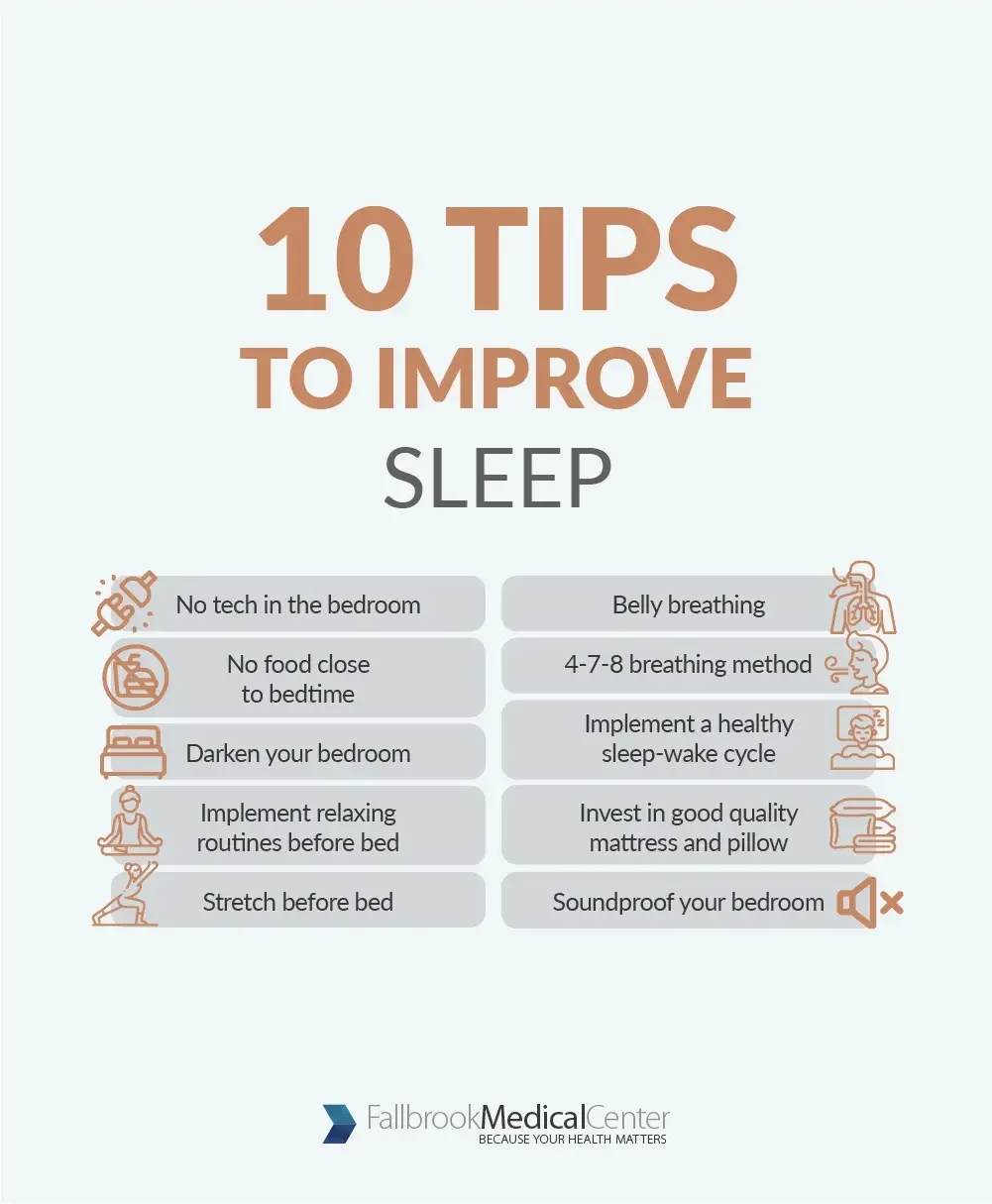
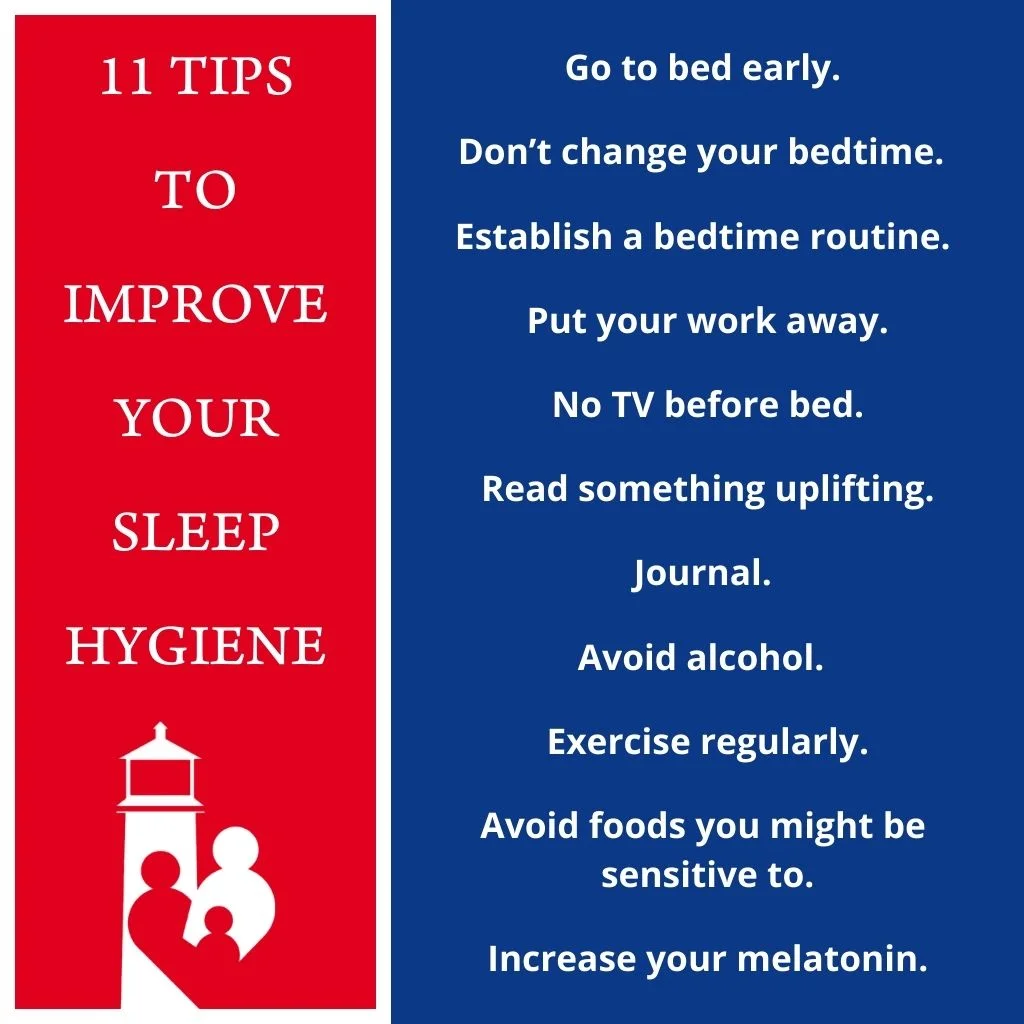
One of the foundational habits for improving sleep quality involves setting regular sleep and wake times. Irregular schedules disrupt the body’s internal clock, making it harder to fall asleep and wake up refreshed. Selecting a bedtime and wake-up time that fits your lifestyle can optimize your natural sleep-wake cycle, leading to more restorative rest. Starting with small adjustments, such as changing your routine by one or two steps, helps avoid feeling overwhelmed and builds sustainable habits.
Creating a Relaxing Pre-Bedtime Routine
Many people struggle with winding down after a busy day, leading to restless nights. Establishing a calming routine before bed signals the brain that it is time to relax. This can include reading a book, gentle stretching, or listening to soothing music tailored to personal preferences. Importantly, planning this routine consistently—perhaps aided by reminders—helps make relaxation a natural part of the evening rather than an afterthought. Reducing mental clutter by observing thoughts without judgment during meditation can also lower stress and quiet the mind, making sleep easier to achieve.
Optimizing Your Sleep Environment
A comfortable sleep environment plays a key role in promoting quality rest. Factors such as mattress quality, room temperature, and lighting can either support or hinder your ability to fall and stay asleep. Upgrading your mattress may be worth considering if discomfort disrupts your nights. Keeping the bedroom cool, quiet, and dark further encourages deeper stages of sleep. Tailoring the environment to your specific needs creates an inviting space conducive to relaxation.
Limiting Screen Time and Blue Light Exposure
Exposure to electronic devices before bedtime is a common mistake that negatively affects sleep. The blue light emitted from screens suppresses melatonin, the hormone responsible for signaling sleep. This suppression makes it harder to fall asleep naturally. To counter this, using red-light filters on phones and other devices well before your bedtime routine begins can reduce blue light exposure. Ideally, limiting screen time altogether during the hour before bed gives the brain a chance to prepare for restful sleep.
Meditation and Breathing Exercises for Calmness
Stress and mental clutter often interfere with the ability to fall asleep. Techniques such as meditation and controlled breathing help activate the body’s relaxation response. Instead of forcing sleep, these practices encourage gentle awareness of the present moment and release of tension. Observing thoughts without judgment during meditation decreases anxiety about falling asleep and helps transition the mind into a restful state. Even brief sessions of mindful breathing or guided meditation can enhance calmness and improve sleep onset.
The Role of Diet and Hydration in Evening
Foods That Promote Sleep Naturally
What you eat in the evening can influence sleep quality, yet many are unaware of the specific foods that aid restful sleep. Rather than heavy meals that cause digestive discomfort, choosing light snacks known to support sleep is beneficial. Foods such as cherries, grapes, kiwi, rice, and nuts contain compounds that promote relaxation and melatonin production. Incorporating these in moderate amounts helps avoid hunger-related sleep disturbances without overloading the digestive system.
When and What to Drink Before Bedtime
Hydration is important but drinking too much or the wrong types of beverages before bed can disrupt sleep. Drinking excessive fluids late in the evening may lead to frequent bathroom trips that interrupt rest. Opting for light fluids and timing consumption earlier in the evening helps maintain hydration without disturbances. Avoiding alcohol and heavy drinks that irritate digestion also supports better sleep quality.
Physical Activity Timing and Its Effects on Sleep
Benefits of Light Evening Stretching
Engaging in gentle stretching or relaxation exercises in the evening can ease muscle tension accumulated throughout the day. This light physical activity promotes circulation and helps the body transition from active to restful modes. When included as part of the pre-bedtime routine, stretching supports physical comfort and mental relaxation, which together encourage smoother sleep onset.
Avoiding Vigorous Exercise Late in the Day
While physical activity is essential for health, intense exercise close to bedtime can have the opposite effect on sleep. Vigorous workouts stimulate the nervous system and raise body temperature, making it harder to wind down. Scheduling intense exercise earlier in the day rather than late in the evening helps prevent these disruptions and aligns better with the body’s natural rhythms.
Tracking and Adjusting Your Evening Routine for Optimal Sleep
Using Sleep Journals and Apps
Understanding how different habits affect your sleep requires observation. Keeping a sleep journal or using tracking apps allows you to monitor patterns and identify which changes yield noticeable improvements. Recording details about bedtime, pre-sleep activities, diet, and perceived sleep quality provides valuable insight into what works best for your unique needs. This data-driven approach encourages mindful adjustments rather than guesswork.
Recognizing Signs of Improvement and Stagnation
Tracking progress also involves recognizing when habits are effective or when further adjustments are needed. Signs of improvement include easier sleep onset, fewer nighttime awakenings, and feeling more rested upon waking. Conversely, stagnation may present as persistent fatigue or difficulty maintaining sleep. Being patient and flexible, while forgiving occasional setbacks, supports a positive mindset that sustains long-term healthy sleep routines.


