

Understanding Indoor Plant Pests: Focus on Spider Mites
What Are Spider Mites?
Spider mites are tiny arachnids that feed on plant sap. Despite their small size, they can cause significant damage to indoor plants. These pests are often red, yellow, or green and produce fine webbing that looks like delicate threads across leaves and stems. Their fast reproduction rate allows infestations to spread quickly if left unchecked.
Common Signs of Infestation
Detecting spider mites early is crucial for effective control. Common signs include tiny yellow or white speckles on leaves, which result from mites piercing plant cells. As infestation worsens, leaves may turn bronze or brown and drop prematurely. Fine webbing may be visible on leaf undersides and between stems, often signaling a heavy population.
Why Spider Mites Thrive Indoors
Indoor environments often provide the perfect conditions for spider mites to multiply rapidly. Low humidity levels common in heated homes dry out plants, making them more vulnerable. Also, limited airflow combined with continuous availability of plants allows spider mites to colonize without natural predators to keep their numbers in check.
Natural Prevention Techniques for Spider Mites
Maintaining Optimal Humidity Levels
Spider mites struggle in humid conditions. Increasing the humidity around your plants can deter their growth. Regular misting or using a humidifier raises moisture levels, creating an environment less favorable to these pests. This also benefits the plants, helping them stay healthier and more resistant.
Regular Plant Cleaning Methods
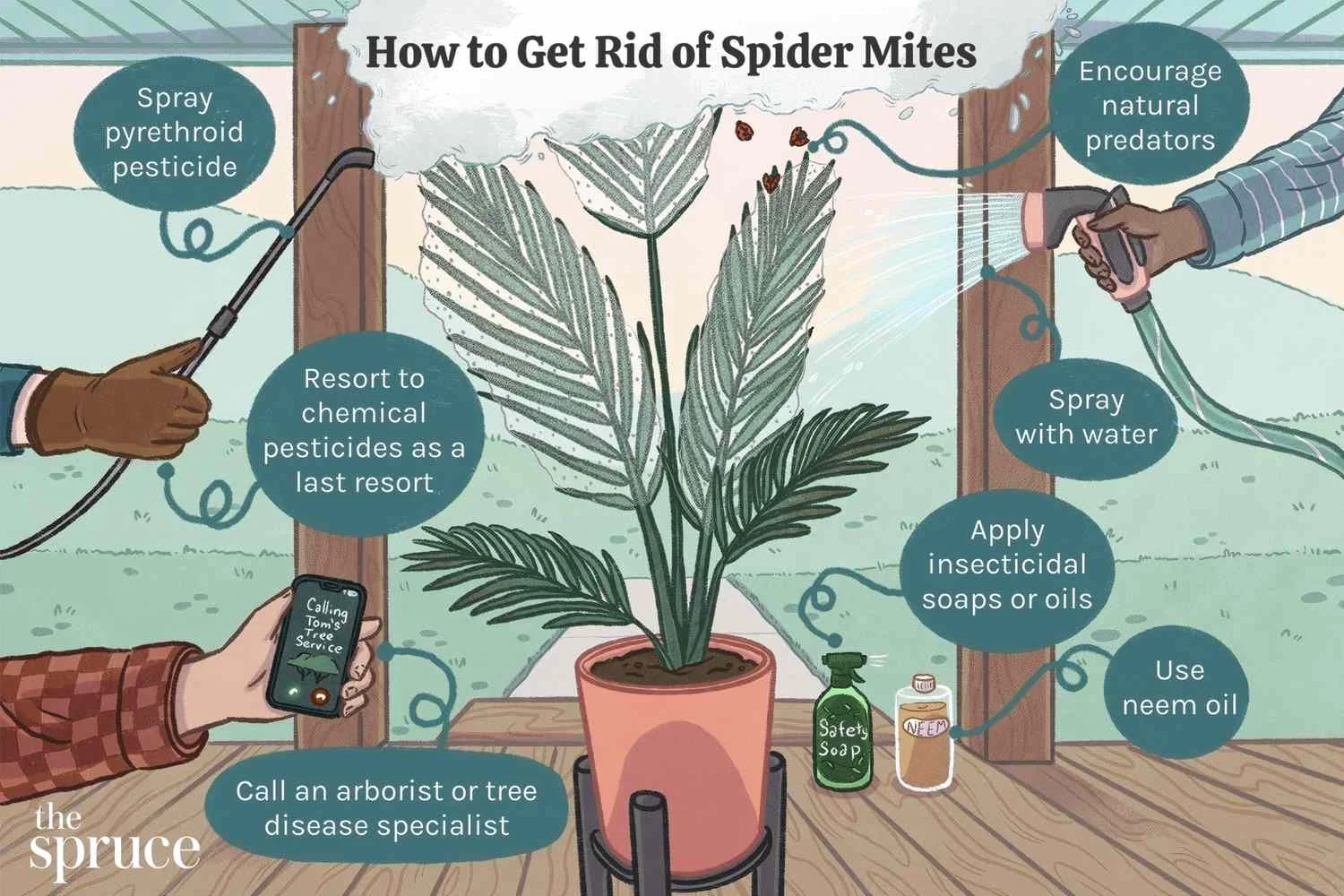
Keeping plants clean disrupts pest habitats. Washing leaves thoroughly, especially the undersides where spider mites prefer to reside, reduces their populations. Using a gentle spray of water or wiping the leaves with a damp cloth removes eggs and active mites. This simple practice is an effective first line of defense.
Companion Planting to Deter Pests
Certain plants naturally repel spider mites and can be grown alongside susceptible species. Incorporating herbs like basil, mint, or lavender into your indoor garden provides a natural barrier. These companion plants emit scents or chemicals that spider mites find unappealing, helping reduce infestations without chemicals.
Organic Treatments to Combat Spider Mites
Neem Oil Applications
Neem oil is a natural extract derived from neem trees and acts as an effective pest repellent and growth inhibitor. When applied correctly, it suffocates spider mites and disrupts their life cycle. It is safe for indoor use and biodegradable, making it an eco-friendly alternative to synthetic pesticides. Regular application every week can keep populations under control.
Using Insecticidal Soaps Safely
Insecticidal soaps are gentle on plants while being toxic to spider mites. These soaps work by breaking down the pests’ outer layer, causing dehydration. When using these treatments, it is important to cover all leaf surfaces and apply during cooler parts of the day to avoid leaf burn. Repeated applications may be necessary for severe infestations.
Essential Oils That Repel Spider Mites
Some essential oils such as rosemary, peppermint, and eucalyptus show strong repellent properties against spider mites. Diluted sprays using these oils can deter pests and enhance the overall aroma of your indoor garden. These oils disrupt the mites’ sensory receptors, making plants less attractive to them.
Biological Control Options
Introducing Predatory Mites
One of the most effective biological controls is releasing predatory mites that feed on spider mites. These natural enemies help reduce pest numbers without harming the plants. Predatory mites establish themselves quickly and hunt spider mites, providing ongoing protection when environmental conditions are suitable.
Beneficial Insects in Indoor Gardens
Beyond predatory mites, other beneficial insects like ladybugs and lacewings prey on various indoor plant pests, including spider mites. Introducing these insects in controlled environments can enhance pest management. However, it requires careful monitoring to maintain a balanced indoor ecosystem and ensure the beneficial insects thrive.
Long-Term Strategies for Healthy Indoor Plants
Soil Health and Pest Resistance
Healthy soil promotes strong plant growth, which naturally resists pest attacks. Using slow-release fertilizers with moderate nitrogen avoids excessive succulent growth that attracts spider mites. Regularly replenishing soil with organic matter improves structure and microbial activity, creating conditions unfavorable to pests.
Routine Monitoring and Early Detection Techniques
Consistent inspection is key to preventing major infestations. Check new plants by quarantining and treating them before integrating into your indoor garden. Use blue sticky cards to monitor pest populations, as they attract and trap thrips that commonly coexist with spider mites. Early detection allows for prompt intervention and long-term plant health.


