

Understanding Time Management for Busy Professionals
Common Challenges in Managing Time
Time management is often one of the biggest hurdles for busy professionals. With countless responsibilities tugging at their attention, it’s easy to feel overwhelmed. Meetings, emails, urgent requests, and long to-do lists can create a nonstop cycle where tasks pile up faster than they can be completed. Many professionals struggle with saying “no” to extra work, fearing it might hurt their reputation or career growth.
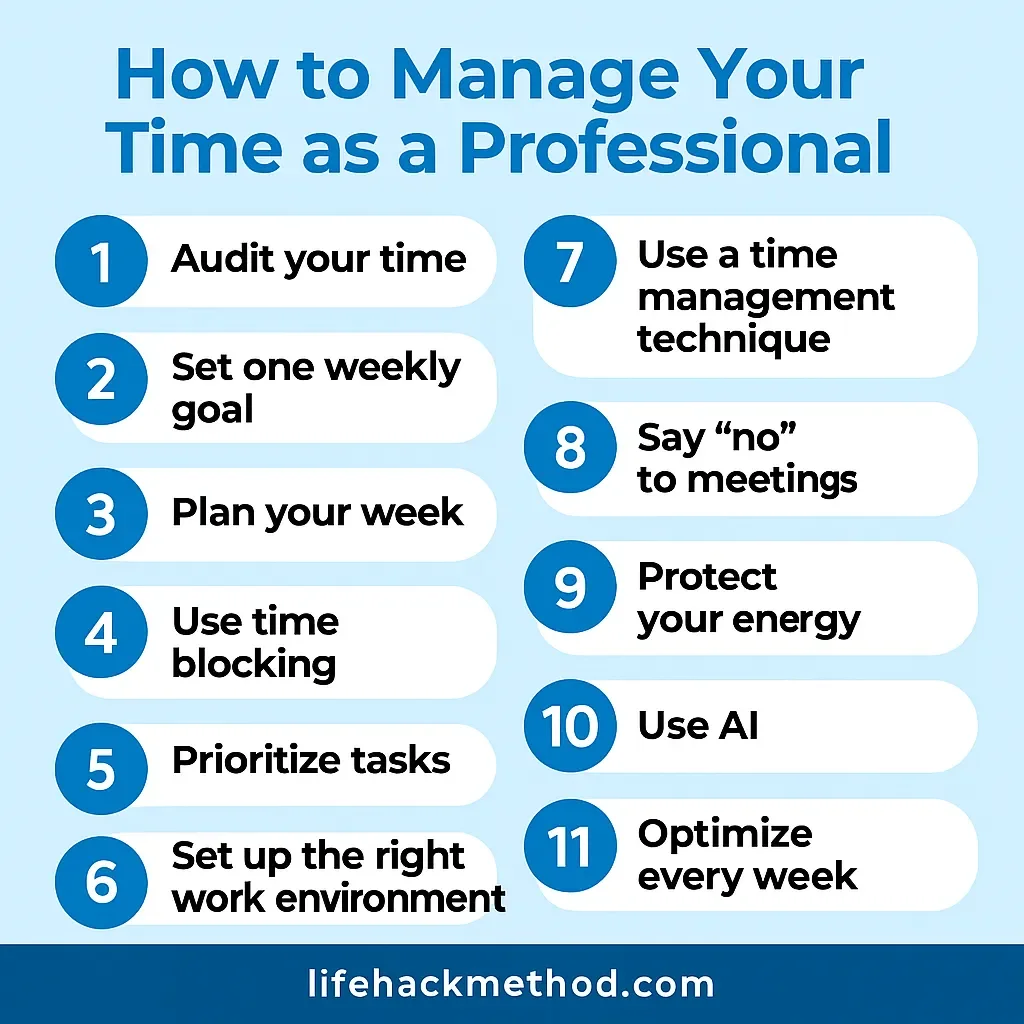
Another challenge is accurately assessing one’s own capacity. It’s common to overestimate what can be done in a day, leading to constant workload overflow. Distractions from interruptions and lack of clarity on priorities only add to the difficulty. Understanding these challenges is the first step toward implementing meaningful strategies for better time control.
The Impact of Poor Time Management on Productivity
Poor time management doesn’t just make you feel busy; it significantly lowers productivity. When time is not managed effectively, energy is wasted on less important or low-impact activities. This leads to increased stress, missed deadlines, and a decline in work quality. In the worst cases, poor time management can contribute to burnout, where professionals feel drained and disengaged.
Being reactive rather than proactive with your schedule often means reacting to interruptions instead of tackling priority work. The result is a constant scrambling to catch up, which creates a vicious cycle. Over time, this can damage professional reputation and personal well-being.
Prioritization Strategies to Maximize Efficiency
The Eisenhower Matrix: Urgent vs. Important Tasks
The Eisenhower Matrix is a classic tool that helps busy professionals separate urgent tasks from truly important ones. By drawing a simple four-quadrant grid, you can categorize tasks as urgent and important, important but not urgent, urgent but not important, or neither. This visual approach makes it easier to decide what requires immediate attention and what can be delegated or deferred.
When used consistently, the Eisenhower Matrix helps avoid the trap of spending too much energy on urgent but low-impact activities. It encourages focusing effort on tasks that align with long-term goals and personal priorities, helping professionals work smarter, not harder.
ABC Method for Daily Task Ranking
Another effective prioritization technique is the ABC method. With this approach, you rank your tasks based on their value and urgency: A for must-do, B for should-do, and C for nice-to-do. This simple ranking helps reduce overwhelm by highlighting the top priorities that deserve attention each day.
Instead of trying to tackle everything at once, this method encourages focusing on completing ‘A’ tasks first, ensuring that your most important responsibilities are handled even if time runs short. It also helps in making informed decisions when new tasks or requests come your way, reinforcing the habit of selective commitment.
Planning Tools and Techniques
Using Digital Calendars Effectively
Digital calendars have become indispensable for busy professionals. But simply having a calendar isn’t enough. What sets effective users apart is how they use their calendars to block time for specific tasks and appointments, including breaks and preparation time.
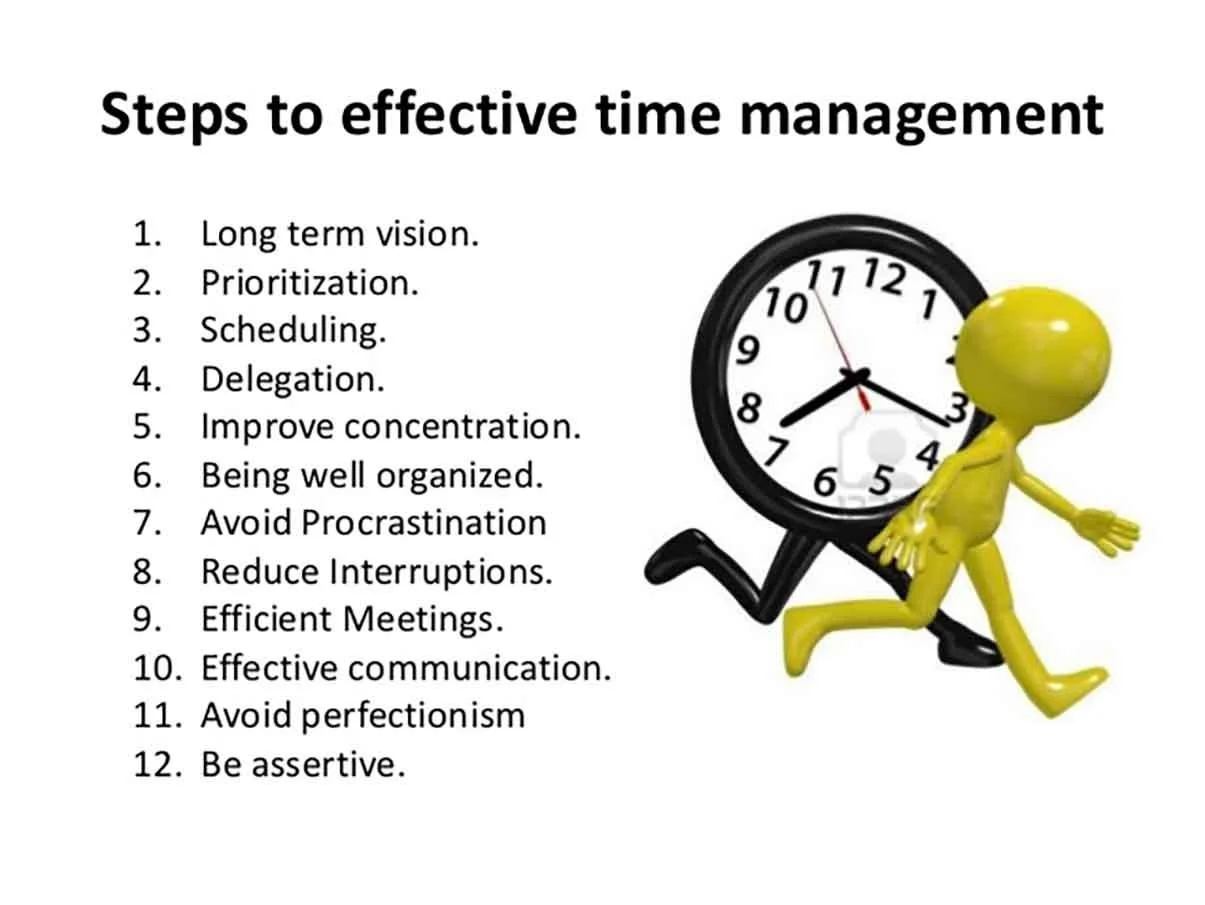
Creating buffer time between meetings or deadlines allows for unexpected delays and smooth transitions. Setting reminders and color-coding events can also enhance clarity and reduce the mental load of constantly remembering what’s next. When scheduled thoughtfully, digital calendars become powerful allies in maintaining control over your day.
Bullet Journaling for Task Organization
For those who prefer analog tools, bullet journaling offers a flexible and personalized approach to task management. Writing down goals and tasks for the next day before bed can foster clarity and intentionality. This practice can reduce anxiety about what needs to be done and improve sleep quality by clearing the mind.
The visual and physical nature of bullet journaling helps embed priorities more deeply, creating a sense of ownership over your schedule. This tactile process can be especially helpful for professionals who find themselves overwhelmed by digital overload and constant notifications.
Time Blocking: Structuring Your Workday
Time blocking is a planning method that divides your workday into dedicated segments for specific activities. By allocating focused intervals to important tasks, it limits multitasking and increases concentration. Including at least two breaks and buffer time within your plans helps maintain energy throughout the day.
When combined with prioritization methods like the Eisenhower Matrix, time blocking ensures that high-impact tasks receive the attention they deserve. It encourages a proactive rather than reactive mindset, allowing professionals to guard their work hours against distractions effectively.
Leveraging Technology for Better Time Management
Top Productivity Apps for Busy Professionals
In the digital age, there’s no shortage of productivity apps designed to help with time management. From task managers like Todoist and Trello to calendar integrations like Google Calendar, these tools can streamline daily workflows. Many of these apps also incorporate AI-powered features that help identify high-impact tasks or create optimized time-blocked schedules.
Using AI prompts can help professionals focus on what truly matters by suggesting priorities and reminding them to include breaks. However, it’s important to use these tools intentionally—over-reliance or multitasking across multiple apps can lead to more distraction rather than less.
Automation and Delegation Tools
Automation and delegation are powerful, yet often underutilized, techniques for improving time management. Automating routine tasks—such as scheduling meetings, sending follow-up emails, or generating reports—frees up time for more strategic work. Similarly, utilizing delegation tools helps in assigning tasks to team members who are better suited for specific jobs.
Being true to your capabilities means recognizing when to delegate and when to automate. These tools support a lean workflow but require clear communication and trust in your team’s abilities to be effective.
Psychological Approaches to Improve Focus
Pomodoro Technique for Enhanced Concentration
The Pomodoro Technique is a simple but effective method to boost focus. By breaking work into short, timer-driven intervals—traditionally 25 minutes of work followed by a 5-minute break—it encourages sustained concentration without burnout. These short ‘power breaks’ allow your brain to refresh, helping maintain productivity over extended periods.
This approach works well in high-pressure environments where attention tends to waver. It also helps curb the temptation of distractions by committing to focused work in manageable chunks.
Mindfulness and Stress Reduction Practices
Managing stress and cultivating mindfulness play a crucial role in sustaining effective time management. Taking moments to breathe deeply or practice short meditation sessions can restore mental clarity and improve decision-making. It’s important to recognize that time management techniques alone aren’t a cure-all for deeper issues like burnout or mental health challenges.
Incorporating mindfulness into your routine helps build resilience against daily pressures and improves overall focus, making it easier to stick to your planned schedule and priorities.
Maintaining Work-Life Balance
Setting Boundaries to Prevent Burnout
For busy professionals, establishing clear boundaries between work and personal life is essential. Saying “yes” slowly and selectively to additional work is a critical tactic here. Being honest about your capabilities without overloading yourself protects your time and energy.
Boundaries can take many forms, such as fixed work hours, blocking out non-negotiable personal time, or communicating availability clearly with colleagues and clients. Maintaining these boundaries is a proactive way to prevent burnout, helping you stay productive and engaged both at work and home.
Incorporating Breaks and Downtime into Your Schedule
Breaks aren’t a luxury—they’re a necessity. Including scheduled downtime keeps you energized and prevents decision fatigue. Even brief moments away from screens can dramatically enhance creativity and focus when you return to work.
Choosing activities that refresh without distractions, like a walk or stretching, can make breaks even more effective. By treating breaks as integral parts of your schedule, you foster a healthier, more sustainable work rhythm.
Conclusion: Building a Sustainable Time Management System
Effective time management for busy professionals starts with self-awareness and a willingness to adopt practical strategies. Tools like the Eisenhower Matrix and ABC method clarify priorities, while methods such as time blocking and bullet journaling provide structure.
Leveraging technology thoughtfully, combined with psychological techniques like the Pomodoro Technique and mindfulness, equips you to maintain focus and reduce stress. Above all, setting boundaries and incorporating breaks safeguard your energy and prevent burnout.
Building a sustainable time management system is about developing habits that align with your career goals and personal well-being. It’s not about perfection, but about making thoughtful choices that lead to greater productivity and a better quality of life.


