

Introduction to Custom Shelving for Small Spaces
Why Choose Custom Shelving?
Small spaces in homes often face the challenge of limited storage options, making organization difficult and creating clutter. Pre-made shelving units may not fit perfectly or meet your unique needs, leaving wasted space or awkward gaps. Custom shelving offers a tailored solution, specifically designed to maximize every inch of your available area while accommodating your belongings efficiently. By opting for custom shelves, you gain control over dimensions, style, and function, ensuring the shelving works seamlessly within your home’s layout.
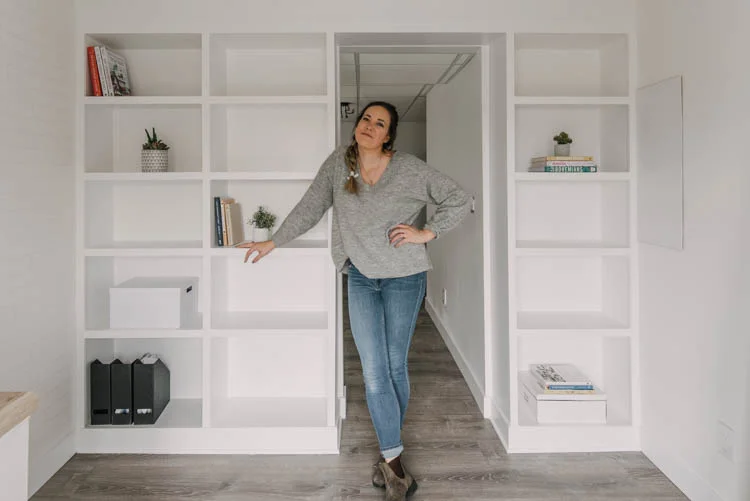
Advantages Over Pre-Made Units
Pre-made shelving units can be convenient but frequently fall short in optimizing small spaces. They often come with standard sizes and styles that don’t suit every room or storage requirement. Additionally, these units can appear bulky or visually heavy, overwhelming a compact space. In contrast, custom shelving allows for personalized dimensions that fit snugly into nooks, corners, or awkward spots. You can choose materials and finishes that complement your décor, and incorporate features like floating shelves or recessed designs to maintain openness. This bespoke approach ensures your storage solution is both practical and aesthetically pleasing.
Planning Your Custom Shelving Project
Assessing the Space Available
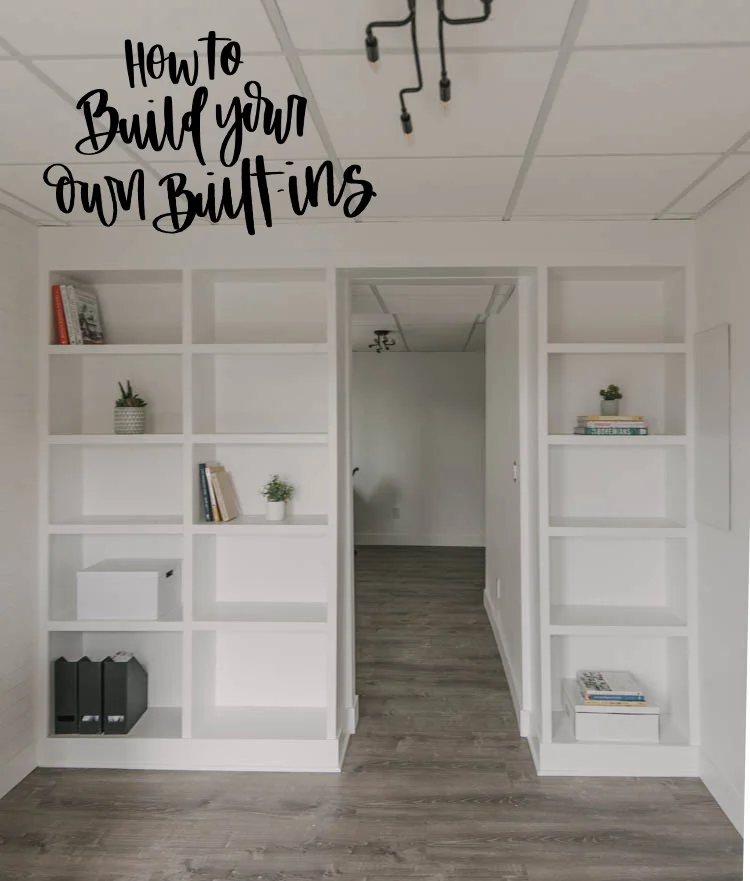
Before building, accurately measuring the intended space is crucial to avoid fitting problems. Small areas demand precise planning; misjudging dimensions can result in shelves that are either too large or too small. Consider factors like wall obstructions, electrical outlets, window placement, and door clearance. For example, when designing behind-the-door shelves, subtracting one inch from the distance between the door hinge and the wall helps determine optimal shelf depth. Taking the time to map out the space in detail will prevent costly mistakes and ensure your shelves integrate smoothly.
Watch the Tutorial
Identifying Your Storage Needs
Designing custom shelving without a clear purpose can lead to impractical units that fail to serve your needs. Consider what you intend to store—books, decor, kitchen supplies, or clothing—and how frequently you access those items. Prioritize accessibility by positioning commonly used objects on lower, easy-to-reach shelves. Also, think about weight requirements and adjust designs accordingly; heavier items need sturdier shelving. Understanding these factors upfront guides your shelving design to be functional and tailored specifically to your lifestyle.
Choosing Materials That Fit Your Style and Budget
Material choice significantly impacts both the appearance and durability of custom shelves, especially in small spaces. Using unsuitable materials, like MDF in humid bathrooms or kitchens, can cause warping and damage over time. Opt for water-resistant options or eco-friendly materials such as bamboo or reclaimed wood, which offer both longevity and sustainability. Additionally, the style should blend with your home décor to maintain visual harmony. Whether you prefer minimalist Scandinavian or industrial rustic looks, selecting light materials and avoiding oversized pieces preserves the openness of compact areas.
Design Tips for Maximizing Small Spaces
Using Vertical Space Efficiently
One of the greatest challenges in small spaces is limited floor area. The solution lies in going vertical. Floor-to-ceiling shelves capitalize on unused wall height, providing abundant storage without encroaching on living space. This approach helps keep the floor clear and the room feeling open. However, ensure the shelves are securely anchored to studs, and consider installing recessed cabinets to avoid protrusions. Maximizing vertical storage turns previously underutilized spaces, such as above doorways or under stairs, into practical storage zones.
Incorporating Multi-Functional Shelves
Multi-functional shelving can solve space constraints by combining storage with additional benefits. For example, shelves that double as seating or work surfaces add value without clutter. Integrating hidden compartments or pull-out trays can increase usability in kitchens or bathrooms. Floating shelves with recessed lighting enhance both style and function by illuminating displayed items and rooms alike. Designing shelves with multiple purposes helps streamline your space, providing more than just storage.
Creative Shapes and Arrangements
Traditional rectangular shelving may not always be the best fit for small areas. Custom shelving allows you to explore creative shapes and configurations that adapt to your space. Angled shelves or staggered arrangements can fit into corners, around obstacles, or inside niches where standard units couldn’t. Cutting slots in wood creates specialized compartments, such as bag organizers, making storage more efficient. These inventive designs boost storage capacity and add character without overwhelming the space.
Step-by-Step Guide to Building Custom Shelves
Gathering Tools and Supplies
Starting the build process requires having the right tools and materials, which depend on your chosen design and materials. Items may include lumber such as 1×4 boards for cabinet frames, wood glue, finish nails, and screws appropriate for wall studs. Using a stud finder is vital to ensure safe and sturdy mounting locations. Preparing your workspace and collecting all supplies before beginning prevents interruptions and helps maintain focus throughout the project.
Measuring and Cutting Wood
Accurate measurements are essential to a successful build. Before cutting, double-check dimensions against the actual space and storage requirements. For specific uses, such as wire shelves for closet nooks, remember to subtract dimensions—like 3/8 inch from the width—to allow a proper fit. Draw clear guidelines, including evenly spaced lines for special features such as bag organizer slots, and use precise cutting tools like jigsaws to create clean, functional pieces. Careful preparation at this stage ensures seamless assembly later.
Assembling the Shelving Unit
Assembling custom shelving requires both precision and stability. Use wood glue alongside finish nails to bond plywood components firmly, increasing durability. Drill appropriately sized holes for shelf supports and select support sizes based on expected loads to prevent sagging. Ensuring shelves are level during assembly, especially recessed cabinets, prevents misalignment and structural issues. Attention to detail here results in strong, reliable shelving that will stand the test of time.
Finishing Touches: Painting and Sealing
Once assembled, finishing shelves with paint, stain, or sealant protects them from damage and moisture, extending their lifespan. In humid areas like bathrooms and kitchens, using water-resistant finishes is especially critical. Applying protective coatings also enhances aesthetic appeal by complementing your room’s décor. Take care to use smooth, even coatings and allow proper drying times for a professional-quality look.
Installation and Safety Considerations
Mounting Shelves Securely
Proper installation is crucial to avoid accidents and maintain shelf stability. Attach shelves directly to wall studs whenever possible, using appropriate anchors to support weight securely. When recessing shelves into walls, inspect cavities for wiring or plumbing to prevent damage. Level each shelf carefully before securing it permanently. Using rubber bumpers on behind-the-door shelves safeguards doors from scratches and wear. Following these precautions ensures your shelving is both safe and long-lasting.
Weight Limits and Load Distribution
Overloading shelves can cause sagging, damage, or even injury. Distribute weight evenly across shelf surfaces and avoid placing heavy items on narrow or unsupported sections. Knowing the limits of your chosen materials and support sizes helps guide proper loading. Custom shelving design allows you to reinforce areas where heavier storage is anticipated, maintaining strength and durability throughout use.
Maintenance and Care for Longevity
Cleaning Tips
Keeping custom shelving clean prevents wear and maintains its appearance. Regular dusting with a soft cloth avoids the buildup of dirt and grime, particularly on decorative or open shelves. For more thorough cleaning, mild soap and water solutions work well on finished surfaces, but avoid excessive moisture, especially with wood materials. Address spills or stains promptly to minimize damage.
Periodic Checks and Repairs
Regular inspection of your shelving units can catch issues before they become serious. Check for loose screws, sagging shelves, or peeling finishes, and address these promptly. Tighten or replace fasteners as needed, and touch up paint or sealant to protect surfaces. Maintenance extends the life of your custom shelving, ensuring it continues to meet your storage needs effectively over time.


