

Understanding the Basics of Chicken Soup
Essential Ingredients for a Classic Chicken Soup
Chicken soup is one of those timeless dishes that offers comfort and nourishment in every spoonful. At its core, a classic chicken soup is built on simple yet essential ingredients. You’ll start with a flavorful chicken broth that forms the base, enriched by aromatic vegetables like carrots, celery, and onions. These staples provide a balanced foundation of sweetness and earthiness. Salt and pepper season the broth, enhancing the natural flavors without overpowering them. Combining these elements creates a soulful, satisfying soup that feels like a warm hug on a chilly day.

Choosing the Right Chicken for Flavor
The type of chicken you use can dramatically influence the soup’s depth and character. Many home cooks prefer using bone-in, skin-on chicken pieces because simmering the bones releases collagen and rich flavors that make the broth silky and full-bodied. Whole chickens or a combination of breasts and thighs work beautifully. Remember to monitor the cooking temperature carefully to ensure the chicken reaches 165°F, ensuring it’s safe to eat while retaining its juiciness. Whether store-bought or farm-fresh, the quality of your chicken sets the stage for soup perfection.
Seasonal Vegetables: A Guide to Freshness and Flavor
Spring Vegetables to Brighten Your Soup
As winter thaws into spring, fresh vegetables start to emerge, bringing vibrant colors and flavors that naturally brighten chicken soup. Think peas, asparagus tips, baby spinach, and fennel. These tender vegetables add a lightness that balances the richness of the broth. Adding these early in the season gives your soup a refreshing twist, perfect for those transitioning days when you crave something nourishing but not too heavy.
Summer Picks for a Light, Refreshing Broth
Summer calls for lighter soups that still deliver a punch of flavor. Incorporate zucchini, fresh tomatoes, and corn to infuse your chicken soup with hints of sweetness and freshness. These vegetables release bright juices as they cook, adding complexity without weighing down the broth. Consider experimenting with zucchini noodles as a pasta alternative for a lower-carb, summery feel that shines in the heat.
Fall and Winter Vegetables for Hearty Warmth
When temperatures drop, it’s time to reach for vegetables that add heartiness and warmth. Root vegetables like carrots, parsnips, and potatoes bring comforting textures and flavors. Squash varieties and Brussels sprouts also enhance the soup’s body, making every spoonful feel like a cozy embrace. These vegetables tend to hold up well during longer simmering times, allowing their flavors to meld beautifully with the chicken broth.
Techniques for Infusing Maximum Taste
Roasting and Sautéing Vegetables Before Adding
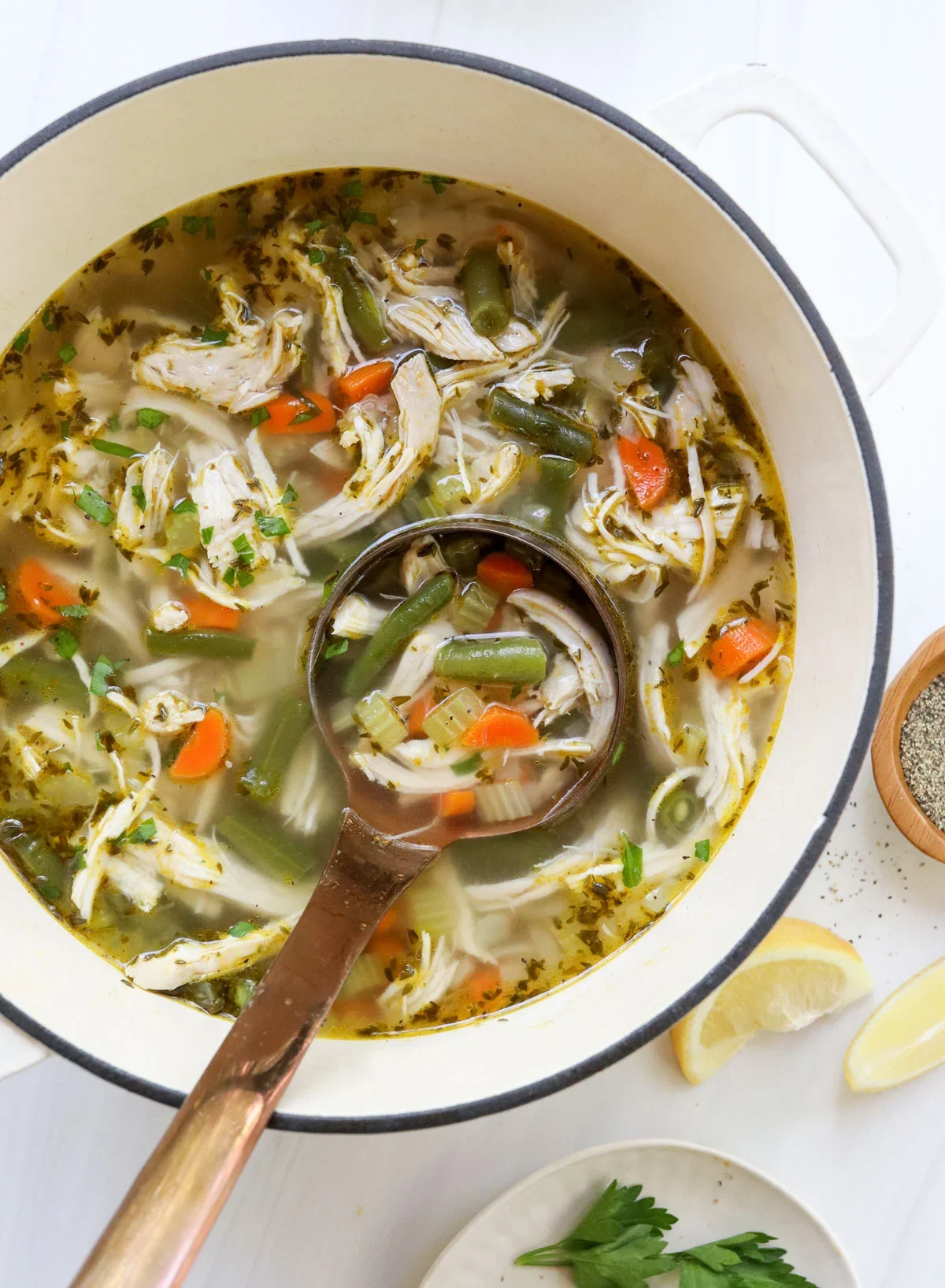
One secret to enhancing the flavor profile of your chicken soup is to roast or sauté the vegetables before stirring them into the broth. Roasting caramelizes the natural sugars in root vegetables, imparting a subtle sweetness and depth that simmering alone can’t achieve. Sautéing aromatics like onions, garlic, and celery in a bit of olive oil or butter unlocks their essential oils, creating a fragrant base. These small steps elevate your soup from simple to sensational.
Timing: When to Add Each Vegetable for Optimal Texture
Timing matters when building layers of flavor and texture in your soup. Harder vegetables such as carrots and parsnips should go in early to soften properly. Leafy greens and delicate peas are best added near the end of cooking to preserve their color and avoid mushiness. Potatoes, if used, require a bit more time to become fork-tender, so plan accordingly. Partially covering your pot while simmering helps control evaporation, maintaining a perfect broth concentration without over-reducing the liquid.
Creative Variations to Personalize Your Soup
Herbs and Spices to Enhance Seasonal Flavors
Fresh herbs can transform a familiar chicken soup into something extraordinary by highlighting the natural flavors of your chosen vegetables. Thyme, tarragon, and bay leaves are classic choices for their woody, aromatic qualities. Adding a touch of spicy ginger or turmeric brings warmth and a golden hue, especially lovely in winter variations. Just remember to remove woody sprigs and bay leaves before serving to keep the texture smooth and enjoyable.
Incorporating Grains, Beans, or Noodles
To add heartiness and make your chicken soup even more satisfying, consider tossing in grains like quinoa or rice. These additions soak up the broth’s flavors, adding a comforting chewiness. Beans, such as white beans or lentils, inject protein and fiber, making the dish more filling. For those craving classic textures, noodles can be included, but swapping them with alternatives like parsnips or zucchini noodles offers a fresh taste and texture experience. This versatility means you can tailor your soup to fit dietary needs or simply change it up for variety.
Tips for Presentation and Serving
Garnishing Ideas that Complement the Soup
Presentation elevates the eating experience. A sprinkle of fresh parsley and a grind of black pepper on top add visual appeal and a burst of freshness. You might also add a few drops of good olive oil or a squeeze of lemon to brighten the flavors just before serving. These finishing touches not only enhance the taste but also make the soup feel special, inviting you to savor every spoonful.
Perfect Pairings: Breads and Side Dishes
Chicken soup is wonderfully versatile when it comes to accompaniments. Crusty rustic breads, garlic toasts, or soft dinner rolls are classic partners, perfect for dipping into the savory broth. For a heartier meal, a side salad with seasonal greens or a light slaw brings a refreshing contrast. These pairings round out the meal, making it both balanced and memorable, whether you’re feeding a family or enjoying a quiet evening alone.


