

Introduction to Creamy Chicken and Rice Soup
Creamy chicken and rice soup is a comforting dish ideal for cozy weeknight dinners. Many home cooks struggle with achieving the right balance between rich creaminess and a satisfying, hearty texture. Often, the soup turns out either too watery or clumpy, detracting from the experience. The root causes usually involve improper ingredient choices or cooking techniques. Fortunately, this guide will help you overcome these challenges by detailing the essential components and step-by-step instructions needed to create a perfectly creamy and flavorful chicken and rice soup.
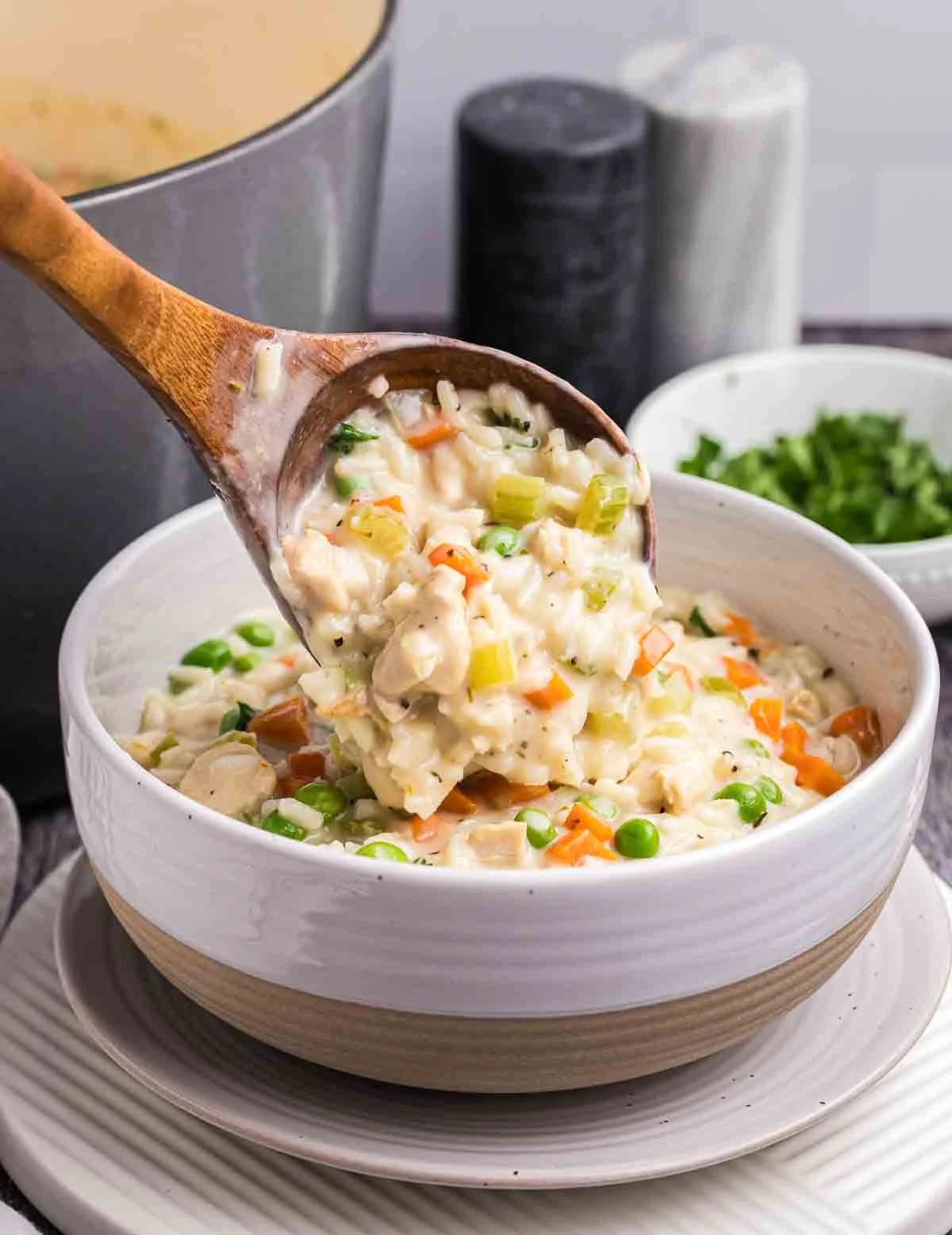
Essential Ingredients for the Perfect Soup
Choosing the Right Chicken Cuts
A common problem in soup making is ending up with dry or tough chicken pieces. This happens when using lean cuts inappropriate for slow cooking. To avoid this, opt for boneless, skinless chicken thighs which remain tender and juicy, releasing rich flavor into the broth. Using a meat thermometer to ensure chicken reaches an internal temperature of 165ºF prevents undercooking or drying out the meat. Letting the seasoned chicken rest at room temperature before cooking also helps achieve even cooking.
Selecting the Best Rice Variety
The wrong type of rice can lead to either mushy or undercooked grains, affecting the final creaminess. Jasmine rice is recommended as it provides a pleasant aroma and cooks to a tender consistency without becoming overly sticky. Its long grains absorb flavors well, enhancing the soup’s overall taste. Stirring occasionally while simmering is essential to prevent the rice from sticking to the pot’s bottom, which can cause burning and uneven texture.
Other Key Ingredients and Seasonings
The flavor base of this soup often falls flat if the wrong vegetables or seasonings are used. Sweet Vidalia onions are excellent for building a robust base flavor without overpowering the soup. Combining olive oil and unsalted butter helps develop rich taste during the sautéing process. Italian seasoning offers a convenient blend of dried herbs that enhances complexity without requiring multiple additions. Fresh garlic, pressed with a garlic press, introduces a subtle pungency that elevates the depth of flavor. Proper seasoning with salt and pepper, adjusted to taste, is essential to tie all ingredients together harmoniously.
Step-by-Step Cooking Instructions
Preparing the Chicken and Sautéing Vegetables
Dryness in chicken or bland vegetables are common pitfalls. Start by seasoning the chicken well, then brown it in a medium pot or Dutch oven over medium heat. The inclusion of olive oil and unsalted butter ensures even cooking and flavor development. Remove the chicken once browned and use the same pot to sauté diced sweet onions, fresh garlic, and other vegetables if desired. This method builds flavor gradually and prevents the soup from taking on a raw taste.
Cooking the Rice to Creamy Perfection
Rice texture is often the deciding factor between delightful and disappointing soup. After sautéing vegetables, add jasmine rice directly to the pot and stir it briefly to coat the grains. Pour in the appropriate amount of broth and bring the mixture to a simmer. Simmer uncovered with occasional stirring to stop rice from sticking and burning. The rice will absorb the broth slowly, thickening the soup naturally. Patience during this stage prevents an undercooked or gritty result.
Combining Ingredients for Maximum Flavor
After the rice has softened, return the cooked chicken to the pot and incorporate dairy or dairy alternatives to achieve that desired creamy texture. Mixing all the components back together allows the flavors to meld. Adjust seasoning by adding salt and pepper to taste, and let the soup rest briefly before serving. Garnishing with freshly chopped parsley adds color and freshness, enhancing the visual appeal and flavor profile.
Tips for Achieving Ultimate Creaminess
Using Dairy and Dairy Alternatives
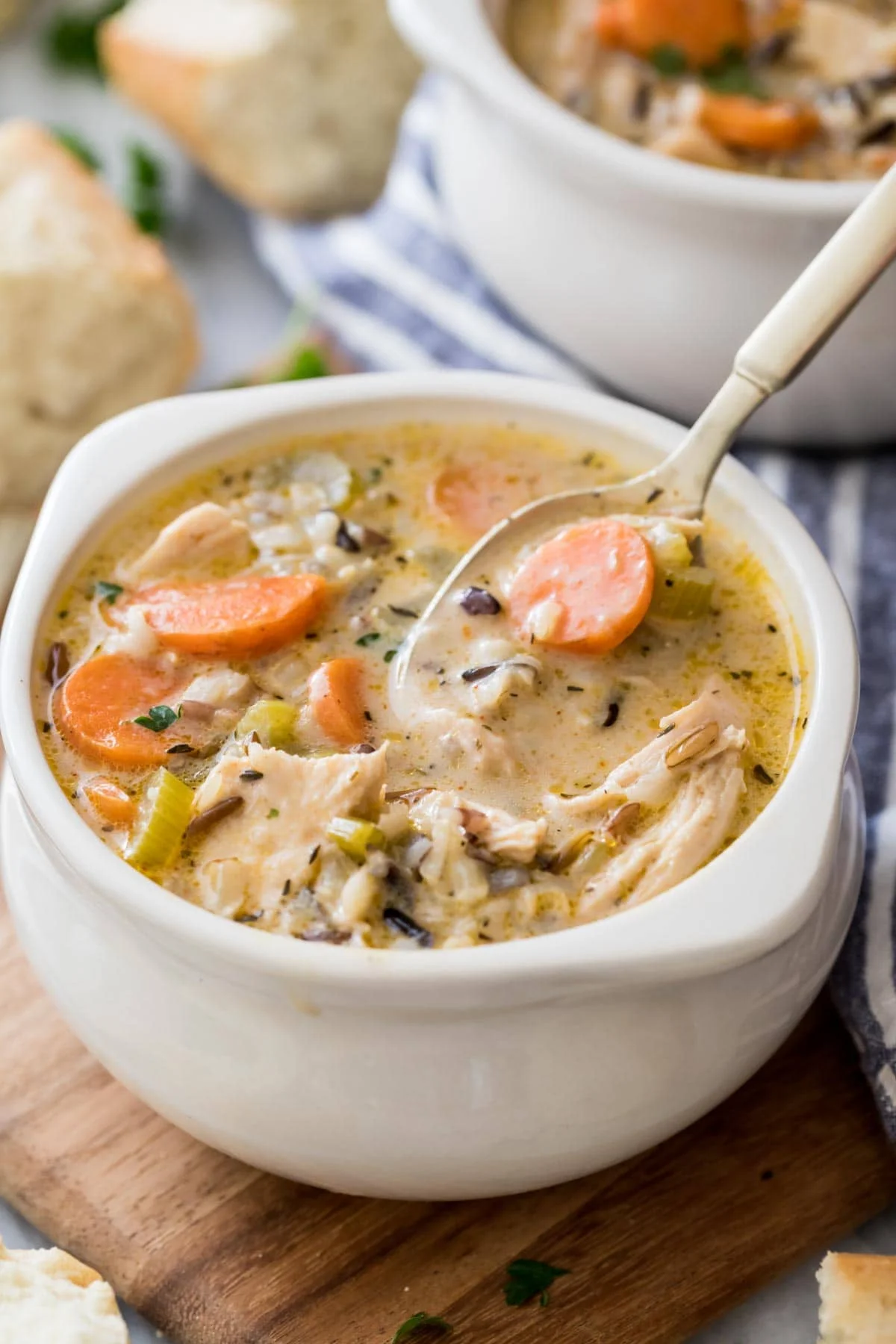
A frequent challenge is attaining creaminess without overwhelming the soup’s delicate flavors. Incorporating unsalted butter during cooking adds subtle creaminess from the start. Adding dairy such as cream or milk near the end enriches the texture. For those avoiding dairy, plant-based alternatives like coconut milk or cashew cream work well but should be added gradually to maintain balance. Consistent stirring ensures an even distribution of creaminess.
How to Thicken Without Flour
Thickening the soup can be problematic, especially for those avoiding flour or roux. Allowing jasmine rice to cook thoroughly with the broth helps thicken the soup naturally, acting as a starch. Another technique is to puree a portion of the cooked vegetables and rice in the soup, then stir it back in. This method adds body without compromising flavor or requiring additional thickening agents. Avoiding flour also makes the recipe lighter and suitable for people with gluten sensitivities.
Variations to Customize Your Soup
Adding Vegetables for Extra Nutrition
Many find the base creamy chicken and rice soup traditional but sometimes lacking extra nutrients or color. Adding vegetables like carrots, celery, or spinach brings nutritional value and vibrant variety. Slight variations in vegetable quantities are forgiving, allowing flexibility based on preference or what is available. Cooking these vegetables along with onions ensures they soften properly and release their flavors into the broth, enriching the final dish.
Spicing It Up: Flavor Boosters and Herbs
For those who seek more complexity, spicing up the soup is both easy and rewarding. Herbs such as thyme, rosemary, or sage complement the Italian seasoning base without clashing. Adding a pinch of red pepper flakes or a dash of smoked paprika introduces subtle heat, transforming the soup from mild to exciting. These modifications can be tailored to suit individual palettes, making the dish versatile for different occasions.
Storing and Reheating Leftovers Safely
Leftover soup often separates or loses its creamy texture if not handled properly. To avoid this, cool the soup to room temperature before transferring to airtight containers. Store in the refrigerator for up to 3 days or freeze in batch sizes ranging between 1 to 1.5 quarts for convenience. Reheat gently over medium heat, stirring occasionally to restore the creamy consistency. Avoid boiling during reheating to prevent curdling or grainy textures. Pairing with crusty French bread or garlic bread on the side makes leftover meals just as delightful as fresh ones.
Conclusion: Enjoying Your Cozy Weeknight Meal
Creating creamy chicken and rice soup doesn’t need to be complicated. Understanding common problems—such as dry chicken, undercooked rice, or thin soup—and their causes empowers you to make thoughtful ingredient choices and apply the right cooking techniques. By following the steps outlined and incorporating the provided tips, you can prepare a warm, satisfying bowl that comforts and nourishes. Whether served plain or customized with vegetables and herbs, this soup will quickly become a favorite for cozy weeknight dinners.


