

Understanding the Importance of Protein in Post-Workout Recovery
The Role of Protein in Muscle Repair and Growth
Protein is essential for repairing and rebuilding muscle tissues that are broken down during intense exercise. After a workout, your muscles enter a recovery phase where they require amino acids to fix microtears and promote growth. Without adequate protein intake, muscle soreness can increase and recovery time may lengthen. This means your ability to perform in subsequent workouts could be compromised. Therefore, consuming enough protein shortly after exercising is critical to optimize muscle repair and stimulate new muscle growth, enhancing overall athletic performance.
Benefits of Vegan Protein Sources
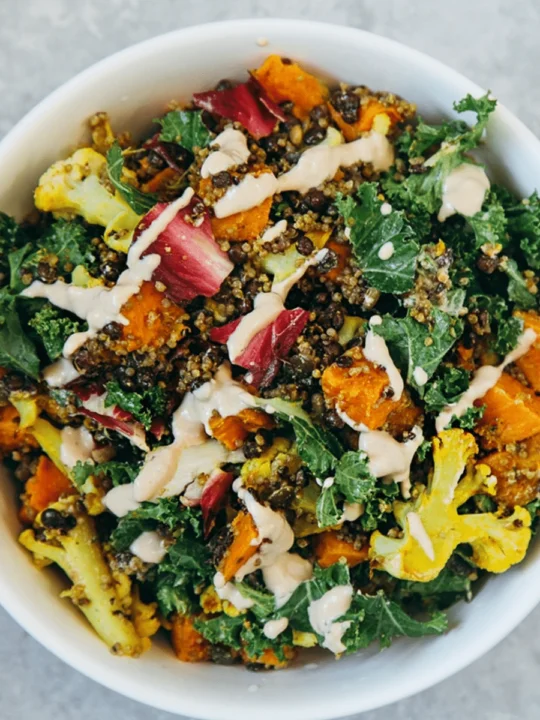
Vegan protein sources are unique because they often come packaged with beneficial nutrients such as fiber, antioxidants, and healthy fats, which can support overall health and recovery. Unlike animal proteins, plant-based options tend to be lower in saturated fats and cholesterol, promoting better cardiovascular health. Many vegan proteins, such as legumes and seeds, also provide complex carbohydrates that help replenish glycogen stores depleted during exercise. Additionally, choosing vegan proteins may reduce inflammation and oxidative stress, further aiding in quicker recovery and increased energy levels.
Key Ingredients for High-Protein Vegan Salads
Legumes and Pulses: Beans, Lentils, and Chickpeas
Legumes and pulses are the cornerstone of any high-protein vegan salad. They are not only rich in protein but also supply essential amino acids needed for muscle repair. Beans, lentils, and chickpeas are versatile and affordable options that can be cooked or used canned for convenience. Their dense protein content also provides lasting satiety, which supports muscle recovery by maintaining energy levels. Incorporating these into your salad ensures a solid protein foundation and adds a hearty texture that complements other ingredients.
Nuts, Seeds, and Superfoods
Adding nuts and seeds like almonds, sunflower seeds, chia, or hemp seeds can significantly boost the protein content of your salad. These ingredients are also rich in healthy fats that help reduce inflammation and promote nutrient absorption. Superfoods such as spirulina or nutritional yeast can further enhance the protein quality and add important vitamins and minerals. Including a variety of nuts and seeds also contributes crunch and flavor complexity, making your salad more enjoyable while supporting recovery.
Leafy Greens and Other Vegetables to Boost Nutrition
While leafy greens are not very high in protein themselves, they provide essential micronutrients and antioxidants that support muscle recovery and immune function. Vegetables like spinach, kale, and arugula contain iron and calcium, which are crucial for muscle function and strength. Adding colorful vegetables such as bell peppers, carrots, and tomatoes increases the vitamin and antioxidant content, helping to fight exercise-induced oxidative stress. These nutrient-rich ingredients make your salad visually appealing and nutritionally balanced.
Step-by-Step Guide to Crafting Your Salad
Choosing the Right Base and Protein Combinations
Begin by selecting a leafy green or grain base that suits your taste and digestive comfort. Options like kale, spinach, or a mix of arugula and romaine work well as green bases, while quinoa and brown rice add additional protein and carbs. Next, combine your protein sources thoughtfully; pairing legumes with grains creates a complete amino acid profile. For example, quinoa combined with chickpeas or lentils will supply all essential amino acids necessary for muscle repair. This foundational step ensures you get both quality and quantity of protein in your salad.
Incorporating Flavorful Dressings and Herbs
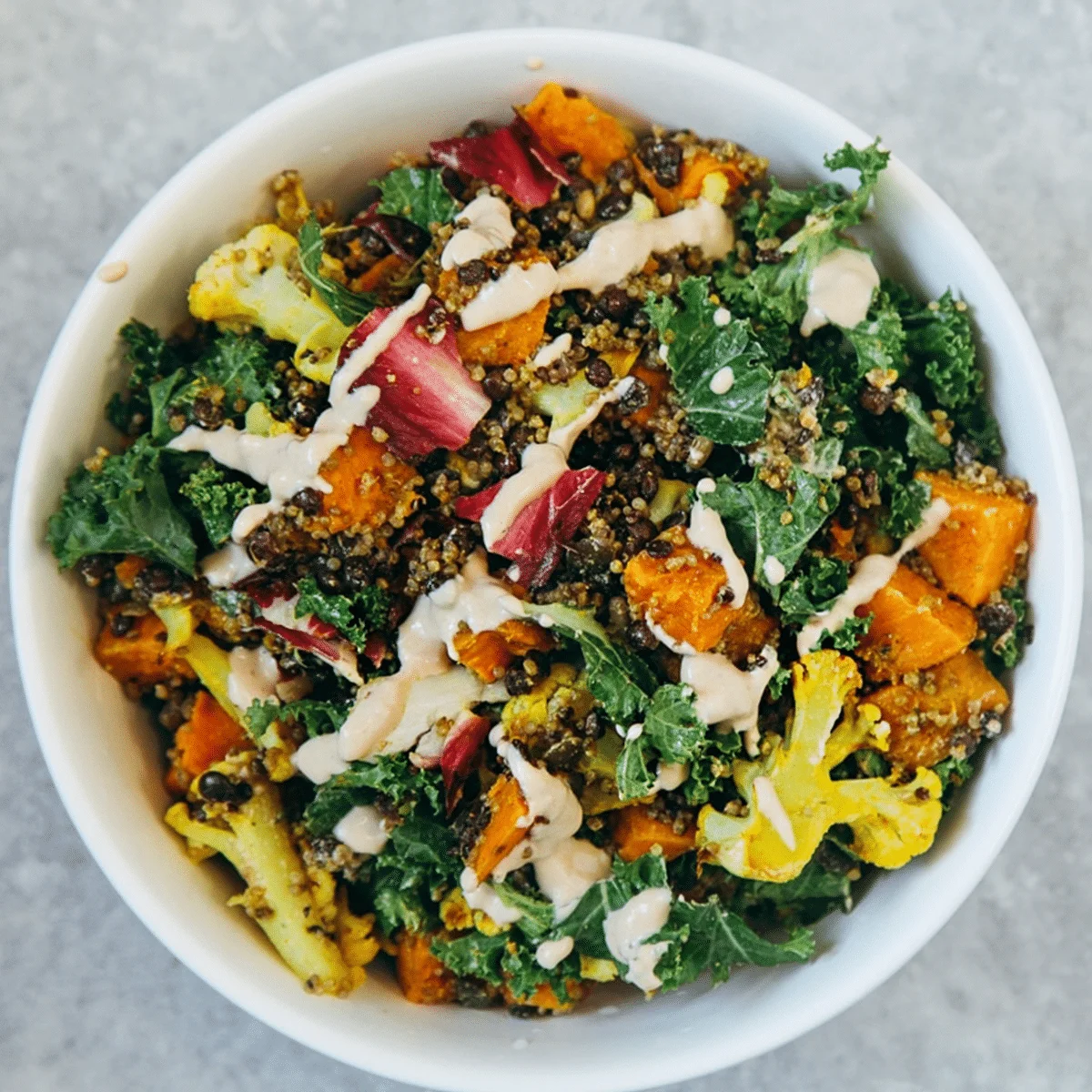
Dressings not only enhance taste but also help in absorbing fat-soluble vitamins found in vegetables. Incorporating ingredients like olive oil, lemon juice, tahini, or apple cider vinegar can lighten or enrich your salad depending on your preference. Fresh herbs such as cilantro, parsley, or basil add aromatic compounds while providing antioxidant benefits. Making your own dressing allows control over sugar and sodium content, making your post-workout meal healthier and more effective for recovery.
Adding Texture with Toppings and Crunch Elements
The final touch to your salad involves adding toppings that contribute texture and additional nutrients. Crunchy elements such as roasted chickpeas, walnuts, or seeds give a satisfying bite and help balance the softness of cooked legumes and greens. Consider incorporating sliced radishes or cucumber to add refreshing crispness. This layering of textures not only improves the eating experience but also encourages consistent consumption, vital for post-workout nutrition habits.
5 High-Protein Vegan Salad Recipes for Post-Workout Recovery
Chickpea and Quinoa Power Salad
This salad combines protein-rich quinoa with hearty chickpeas, creating a complete protein profile. Tossed with chopped cucumbers, cherry tomatoes, and fresh parsley, it offers a refreshing and nutrient-dense option. A lemon-tahini dressing rounds out the flavors while supplying healthy fats to aid nutrient absorption.
Edamame and Kale Superfood Salad
Edamame provides a substantial protein boost alongside fiber and essential fatty acids. Paired with kale, which offers calcium and antioxidants, this salad is a powerhouse for post-workout recovery. Adding avocado slices enriches the texture and adds heart-healthy fats, with a light sesame-ginger dressing enhancing the overall flavor.
Lentil and Roasted Veggie Delight
Roasted vegetables such as sweet potatoes and bell peppers bring warmth and sweetness to the salad, complementing the earthy lentils. This combination supplies complex carbohydrates and protein, refueling muscles efficiently. A balsamic vinaigrette adds a tangy accent while helping to soften the roasted flavors.
Tofu and Avocado Boost Bowl
Firm tofu cubes offer a dense protein source, while creamy avocado adds essential fats that support recovery. Mixed with baby spinach, shredded carrots, and pumpkin seeds, this salad provides a balance of textures and nutrients. A zesty lime-cilantro dressing ties the ingredients together, delivering a refreshing burst after exercise.
Black Bean and Corn Protein Fiesta
Black beans and sweet corn combine to create a protein-rich, fiber-packed salad reminiscent of Mexican flavors. Adding chopped red onion, bell pepper, and fresh cilantro enhances the freshness and nutritional content. A cumin-lime dressing complements the salad, promoting both taste and digestion for optimal recovery.
Tips for Maximizing Protein Absorption and Recovery
Combining Complementary Plant Proteins
Plant proteins often lack one or more essential amino acids, but when combined correctly, they form a complete protein. Grains paired with legumes are the most effective combinations to ensure your body receives all amino acids necessary for muscle repair. For example, rice with beans or whole grain bread with peanut butter enhances protein quality. Including diverse protein sources within your salad maximizes recovery benefits and supports muscle synthesis.
Timing Your Meal Post-Workout
Consuming a high-protein vegan salad within 30 to 60 minutes after your workout helps capitalize on your body’s heightened ability to absorb nutrients. This timing ensures amino acids reach your muscles when they need them most for repair and growth. Pairing protein with carbohydrates in this window replenishes glycogen stores and accelerates recovery. Staying hydrated alongside your meal further optimizes muscle repair processes and overall physical restoration.


