

Understanding the Basics of Marinating Chicken
What Does Marinating Do?
Marinating chicken is a crucial step that goes beyond merely adding flavor. The process involves soaking the chicken in a seasoned liquid mixture that tenderizes the meat while infusing it with tasty ingredients. Without marination, grilled chicken can often turn out dry and bland. The marinade works by breaking down muscle fibers and unlocking moisture, which leads to a juicier bite. Furthermore, the flavors from the marinade penetrate the chicken, ensuring every morsel is flavorful throughout rather than just seasoned on the surface.
Essential Ingredients in a Marinade
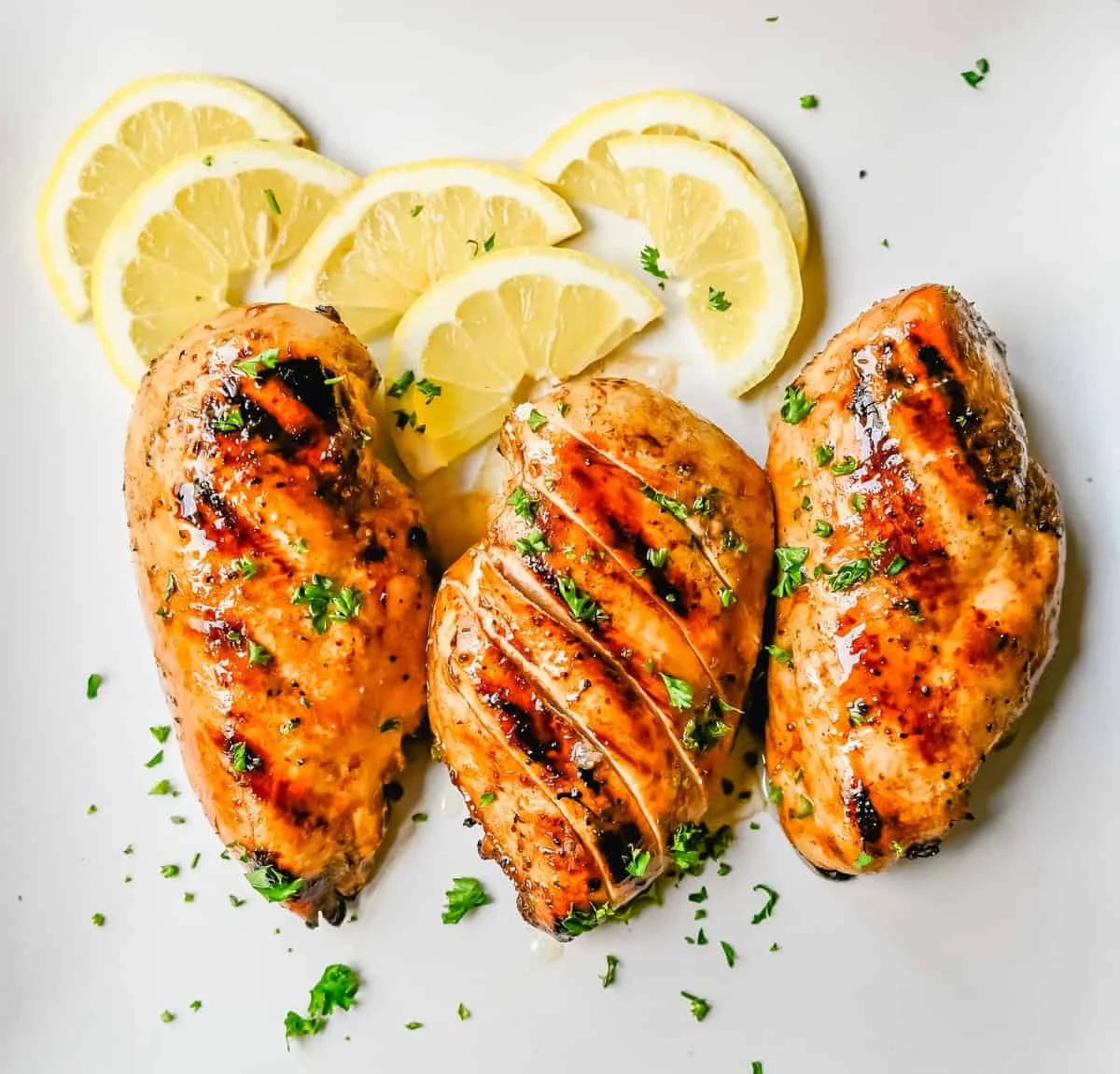
At its core, a marinade contains three key elements: acid, fat, and flavor enhancers. Acidic ingredients like lemon juice or vinegar help to tenderize the meat by breaking down proteins. Fat, usually from oils such as extra virgin olive oil, aids in retaining moisture and carries the flavors into the chicken. Flavor enhancers include a variety of herbs, spices, and seasonings that create a balanced profile. Together, these components ensure the chicken is moist, tender, and bursting with delicious taste after grilling.
Choosing the Right Marinade for Grilled Chicken
Acidic Components: Their Role and Examples
Acids are vital in any marinade because they soften the chicken and help flavors meld. Common acids include freshly squeezed lemon juice, balsamic vinegar, and other types of vinegar with distinct profiles such as Balsamic Vinegar of Modena I.G.P., which includes grape must for enhanced flavor depth. However, it is important to balance the amount of acid – too much lemon juice can make the chicken overly tart and tough, so reducing lemon juice from 1/2 cup to 1/4 cup is often recommended based on user feedback.
Flavor Enhancers: Herbs, Spices, and More
The right combination of herbs and spices can elevate the chicken’s taste profile immensely. Dried oregano and parsley are excellent choices for Mediterranean-style marinades, offering aromatic and fresh notes. For added complexity, garlic, rosemary, and light brown sugar contribute both savory and slightly sweet undertones. Light brown sugar helps caramelize the chicken during grilling, which balances acidity and adds a subtle crust. Using quality ingredients like fresh herbs or good-quality garlic powder makes a noticeable difference in the final taste.
Balancing Saltiness and Sweetness
Salt is a critical element that enhances flavor and helps the meat retain moisture. Balancing saltiness with sweetness, such as a touch of honey or brown sugar, prevents the chicken from becoming too salty or one-dimensional. Salt also works synergistically with acidic components to break down muscle proteins, making the chicken tender. Achieving the right balance ensures that every bite is juicy and flavorful, not overly salty or bland.
Step-by-Step Guide to Marinating for Optimal Juiciness
Preparing the Chicken for Marination
Before marinating, prepping the chicken properly sets the stage for the best results. Using a meat mallet, rolling pin, or even the side of a can to pound the chicken to an even thickness ensures it cooks uniformly. This step not only tenderizes the meat but also allows the marinade to penetrate better. Additionally, trimming excess fat and skin can help the marinade absorb more effectively and prevents flare-ups on the grill.
Timing: How Long to Marinate for Maximum Flavor
Time plays an important role in how well the marinade works. Marinating for too short of a period can result in barely flavored chicken, while excessively long marination can alter the texture negatively. For best flavor and tenderizing effects, marinate chicken for at least 30 minutes, ideally extending up to 12 hours. For quick meals, even a 30-minute soak imparts noticeable flavor, but overnight marination ensures the deepest juiciness and aromatic infusion.
Marinating Techniques: Containers and Temperature Tips
Choosing the right container for marinating affects both safety and flavor. Non-reactive containers like glass, stainless steel, or BPA-free plastic work best since reactive metals can impart off-flavors. Avoid using aluminum bowls as acidic marinades can react and change the marinade’s taste. Keeping the marinating chicken refrigerated prevents bacterial growth and maintains food safety. Covering the container during marination also helps keep flavors concentrated.
Tips for Grilling Marinated Chicken Perfectly
Pre-Grill Preparations and Heat Settings
Grilling marinated chicken requires a bit of preparation to ensure it doesn’t stick or dry out. Lightly oiling the grill grate prevents the chicken from sticking and tearing when flipped. Preheating the grill to medium heat ensures even cooking without burning the sugars in the marinade. Cooking chicken at too high a temperature risks charring the exterior while leaving the inside undercooked.
Grilling Times Based on Chicken Cuts
Grill times vary depending on the cut of chicken used. Boneless, skinless breasts generally take about 5 minutes per side when cooked covered. Thicker cuts or bone-in pieces may require longer grilling to reach safe internal temperatures. Using a meat thermometer to check that the chicken reaches 165°F (74°C) ensures it is cooked properly without drying out.
Resting the Chicken After Grilling
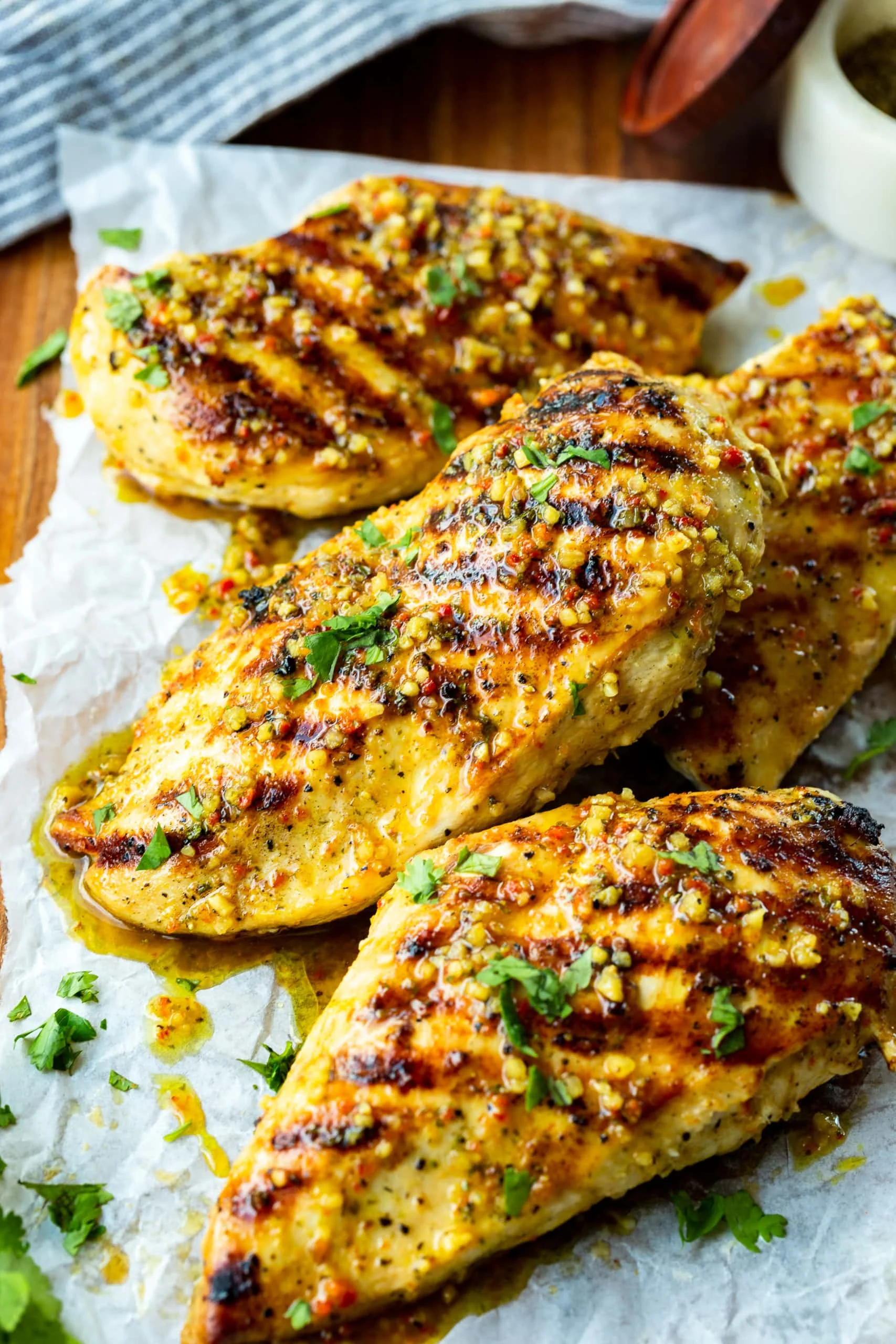
Once off the grill, letting the chicken rest for a few minutes before serving is crucial. Resting allows the juices to redistribute throughout the meat, locking in moisture and enhancing juiciness. Cutting into the chicken immediately can cause the flavorful juices to run out, resulting in drier meat. A 5-minute rest under loosely tented foil is usually sufficient.
Creative Marinade Recipes to Try
Citrus Herb Marinade
This refreshing marinade blends freshly squeezed lemon juice, extra virgin olive oil, dried oregano, parsley, garlic, and a hint of light brown sugar. The citrus provides tenderizing acidity, while the herbs add aromatic depth. Ideal for summertime grilling, it results in bright, juicy chicken with delicate herbaceous notes.
Spicy Asian-Inspired Marinade
For those who love a kick, an Asian-inspired marinade combining soy sauce, sesame oil, fresh ginger, garlic, and a touch of honey offers the perfect balance of sweet, salty, and spicy. The soy sauce adds umami and saltiness, while honey helps caramelize the chicken on the grill. This marinade pairs beautifully with chicken thighs or drumsticks.
Classic Garlic and Rosemary Marinade
This timeless marinade uses minced garlic, fresh rosemary, balsamic vinegar of Modena I.G.P., and quality olive oil. The balsamic vinegar lends sweetness and depth, complementing the pungent garlic and aromatic rosemary. It’s a versatile option that can be used for grilled chicken or even baked dishes, providing robust flavor without overpowering the natural taste of the meat.


