

Understanding the Challenges of Grilling Delicate Fish Fillets
Why Fish Tends to Stick on a Gas Grill
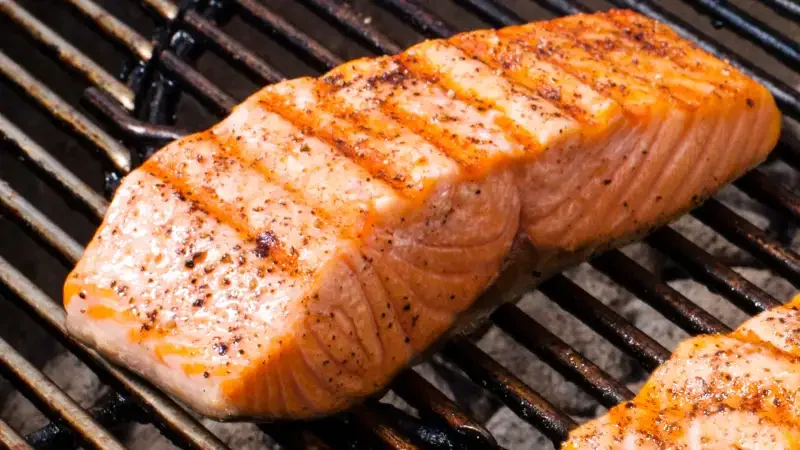
Delicate fish fillets often stick to gas grills because their flesh is tender and lacks structural firmness. When the grill grates are not properly preheated or oiled, the thin layers of the fish can adhere to the surface. The natural proteins in fish also tend to bond quickly with hot metal, and inadequate preparation can cause the fillet to tear apart during cooking. Additionally, rapid temperature shifts and moisture release during grilling contribute to sticking issues.
Identifying the Most Delicate Fish Fillets for Grilling
Some fish fillets are more prone to breaking and sticking due to their texture and fat content. Examples of delicate fish include sole, flounder, tilapia, and cod. These species have thin, fragile flesh that requires extra care on the grill. Compared to firmer fish like salmon or swordfish, these fillets need lower heat and gentle handling to maintain their shape and flavor.
Preparation Techniques to Minimize Sticking
Choosing the Right Marinade and Its Impact
Marinating fish correctly helps retain moisture and adds a protective layer that reduces sticking. Light marinades with oil, citrus, and mild seasonings work best, as heavy or sugary glazes can burn quickly. An oil-based marinade forms a barrier on the grill grates, while acidic components like lemon or vinegar can tenderize fish without breaking down the structure excessively. Avoid overly salty or thick sauces that may cause the fish to cling more firmly.
Properly Prepping the Fish for the Grill
Before grilling, pat the fish dry to remove excess moisture. Moisture on the surface causes steam, which increases the chance of sticking. Then, apply a liberal coating of oil, salt, and pepper. This simple seasoning not only enhances flavor but also creates a slick surface to prevent adhesion. Using a brush or your hands, ensure every part of the fillet is coated evenly, especially the side that will touch the grill first.
Mastering Gas Grill Settings for Delicate Fish
Optimal Temperature Control Tips
Grilling delicate fish requires medium-hot fire rather than high heat. Temperatures around 350°F to 400°F are ideal. This moderate heat cooks the fish evenly without burning the exterior too quickly. Preheat the grill thoroughly to ensure consistent heat distribution. Avoid sudden temperature spikes, which may cause the fish to stick or break apart.
Using Heat Zones to Prevent Sticking
Setting up heat zones on a gas grill helps manage cooking speed and sticking risk. Use a two-zone setup where one side runs at medium heat for direct cooking, and the other side remains cooler for finishing or resting the fish. Start the fillets on the hot side to achieve grill marks, then move them to the cooler zone to finish cooking gently. This technique minimizes sticking and prevents overcooking.
Practical Tips for Handling and Flipping Fish on the Grill
Selecting the Best Tools for Delicate Fish
Using the right tools is essential to handle delicate fillets with care. A thin, wide metal spatula is preferable since it can slide under the fish without tearing it. Avoid using forks or thick tools that might puncture the flesh. Non-stick silicone brushes are effective for reapplying oil during grilling without damaging the surface of the fish.
Timing Your Flips to Avoid Breakage
Flip the fish only once during grilling to prevent falling apart. Wait until the edges start to turn opaque and slightly curl, and the fish releases easily from the grill. Pull the fish just before it finishes cooking, as it will continue to cook during resting. Flipping too early or too often increases the likelihood of sticking and breakage.
Alternative Cooking Methods and Accessories
Using Grill Mats or Foil to Reduce Sticking
Grill mats and aluminum foil liners offer excellent non-stick surfaces when cooking delicate fish. They provide a barrier between the fish and the grate, preventing tearing and sticking. Grill mats are reusable, easy to clean, and allow the smoky flavor to penetrate. Foil packets can also trap moisture, keeping fish tender while cooking evenly.
Steaming and En Papillote: A Comparison
Steaming and cooking en papillote are gentle alternatives to grilling that protect delicate fish from sticking. Steaming uses indirect heat and moisture to cook fish evenly without direct contact, preserving texture and flavor. En papillote involves wrapping fish in parchment paper with herbs and seasonings, creating a steam-cooking environment inside the packet. Both methods avoid grill adhesion but lack the characteristic char and smoky notes of grilling.


