

Understanding the Importance of Cleaning Makeup Brushes
How Dirty Brushes Contribute to Skin Breakouts
Makeup brushes are a direct link between your skin and cosmetic products. Over time, they collect oils, dead skin cells, and bacteria. When these contaminants build up, they can clog pores and create an ideal environment for breakouts to occur. Using dirty brushes repeatedly spreads impurities across your face, which may lead to inflammation, irritation, and acne. Understanding this connection is key to maintaining clear skin while enjoying your makeup routine.

Impact on Makeup Application and Skin Health
Beyond causing skin issues, dirty brushes affect how your makeup looks. Residue from past applications can change the color and texture of your cosmetics, making it difficult to achieve a flawless finish. A brush loaded with old product tends to apply unevenly, leaving behind streaks or patches. Maintaining clean brushes not only supports healthier skin but also ensures your makeup goes on smoothly and looks its best.
Step-by-Step Guide to Cleaning Makeup Brushes Effectively
Gathering Necessary Cleaning Supplies
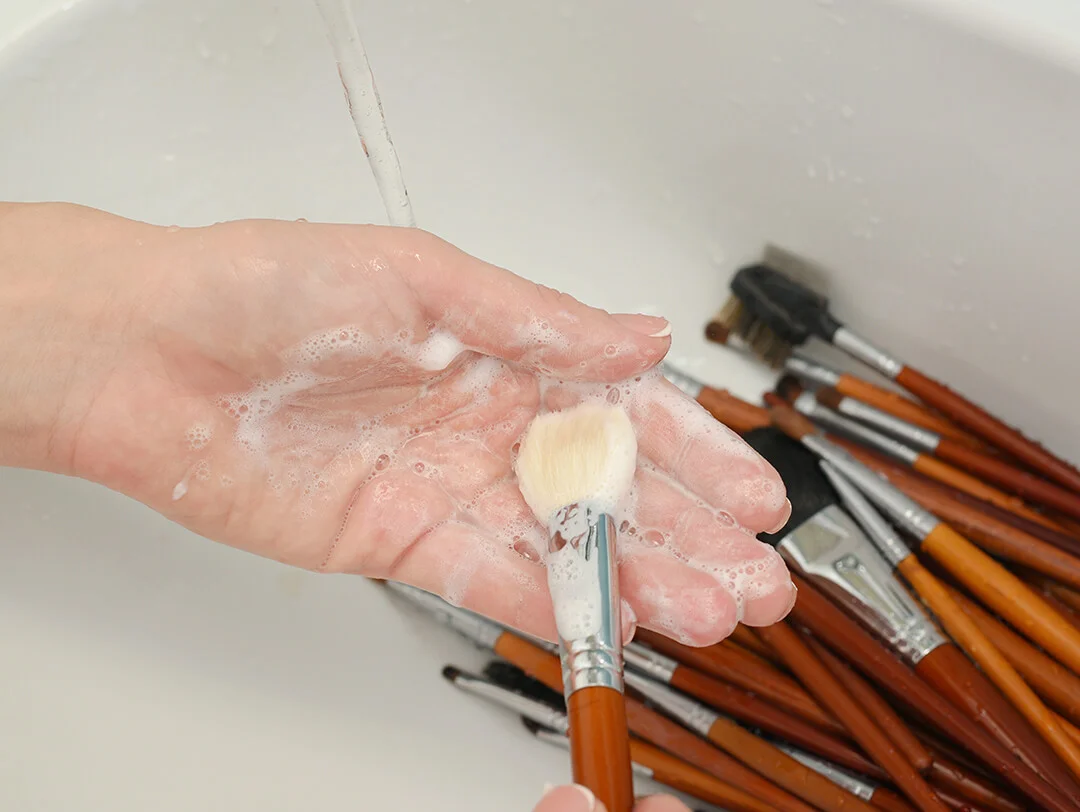
Before you start cleaning, it’s important to have the right tools. You’ll need a gentle brush cleanser or a mild soap alternative, a clean bowl of lukewarm water, and a soft towel for drying. Avoid using harsh detergents, dish soaps, or shampoos that can strip the brushes and cause bristles to become brittle. Having everything ready makes the process quicker and more efficient.
Proper Techniques for Different Brush Types
The way you clean your brushes depends on their shape and size. For fluffy face brushes, dip the bristles lightly into the water and gently swirl them with cleanser in your palm. Avoid soaking the entire brush to prevent water from weakening the glue that holds it together. Smaller eye brushes may require a more delicate touch, washing bristles individually without bending them. It’s essential to rinse thoroughly until the water runs clear, removing all traces of makeup and soap.
Drying and Storing Brushes to Maintain Cleanliness
After washing, reshape your brushes to their original form and lay them flat on a clean towel. Never dry brushes upright because water can seep into the handle, loosening the glue over time. Make sure brushes dry completely before using or storing them. Keeping brushes in a dry, ventilated area helps prevent bacteria growth and prolongs their lifespan.
Natural vs. Commercial Brush Cleaners: Pros and Cons
DIY Cleaning Solutions You Can Make at Home
Many prefer natural options like diluted baby shampoo or a mixture of olive oil and dish soap to clean brushes gently. These solutions tend to be more affordable and free of harsh chemicals. However, they might not always remove heavy product buildup effectively or disinfect thoroughly. DIY cleaners work well for regular maintenance but may need to be supplemented with deeper cleans occasionally.
Best Commercial Products for Deep Cleaning
There are several commercial brush cleaners formulated specifically for removing stubborn makeup and bacteria. These products often contain oils and antibacterial agents that clean deeply while conditioning the bristles. Using a commercial cleaner can save time and enhance brush care, especially if you wear makeup daily or switch colors frequently. Just be sure to choose one with gentle ingredients to avoid damage.
How Often Should You Clean Your Makeup Brushes?
Daily Maintenance Versus Deep Cleansing Frequency
For those who use makeup regularly, quick daily cleanings can help minimize buildup. Lightly wiping brushes with a cleansing spray after each use extends the time between deeper washes. According to the American Academy of Dermatology, thorough washing every 7 to 10 days is ideal. If you switch makeup colors often or have sensitive skin, you might want to wash brushes more frequently to prevent irritation.
Signs That Indicate Brushes Need Immediate Cleaning
Sometimes brushes need attention sooner than a regular schedule suggests. If your makeup starts applying unevenly, or you notice brush bristles feeling sticky or greasy, it’s a sign they’re overdue for a wash. Visible discoloration and unpleasant odors are clear warnings that bacteria and product buildup have accumulated. Taking prompt action helps maintain both your tools and your skin’s health.
Additional Tips to Prevent Skin Breakouts from Makeup
Replacing Old Brushes and Sponges
Even with good cleaning habits, makeup brushes and sponges don’t last forever. Over time, the bristles may shed, become misshapen, or lose their softness, which affects application and hygiene. Experts recommend replacing brushes every one to two years and sponges more frequently, especially if they develop tears or hold onto moisture. Fresh tools are an essential part of a clean makeup routine.
Practices to Avoid Cross-Contamination
Cross-contamination is another common cause of skin issues related to makeup. Avoid using the same brush for multiple colors or sharing brushes with others. Keep brushes separated and stored in a dry place to reduce bacteria transfer. By treating your tools with care and maintaining cleanliness, you can enjoy makeup without compromising your skin’s well-being.


