

Understanding the Role of Acidic Ingredients in Steak Marinades
What Are Acidic Ingredients?
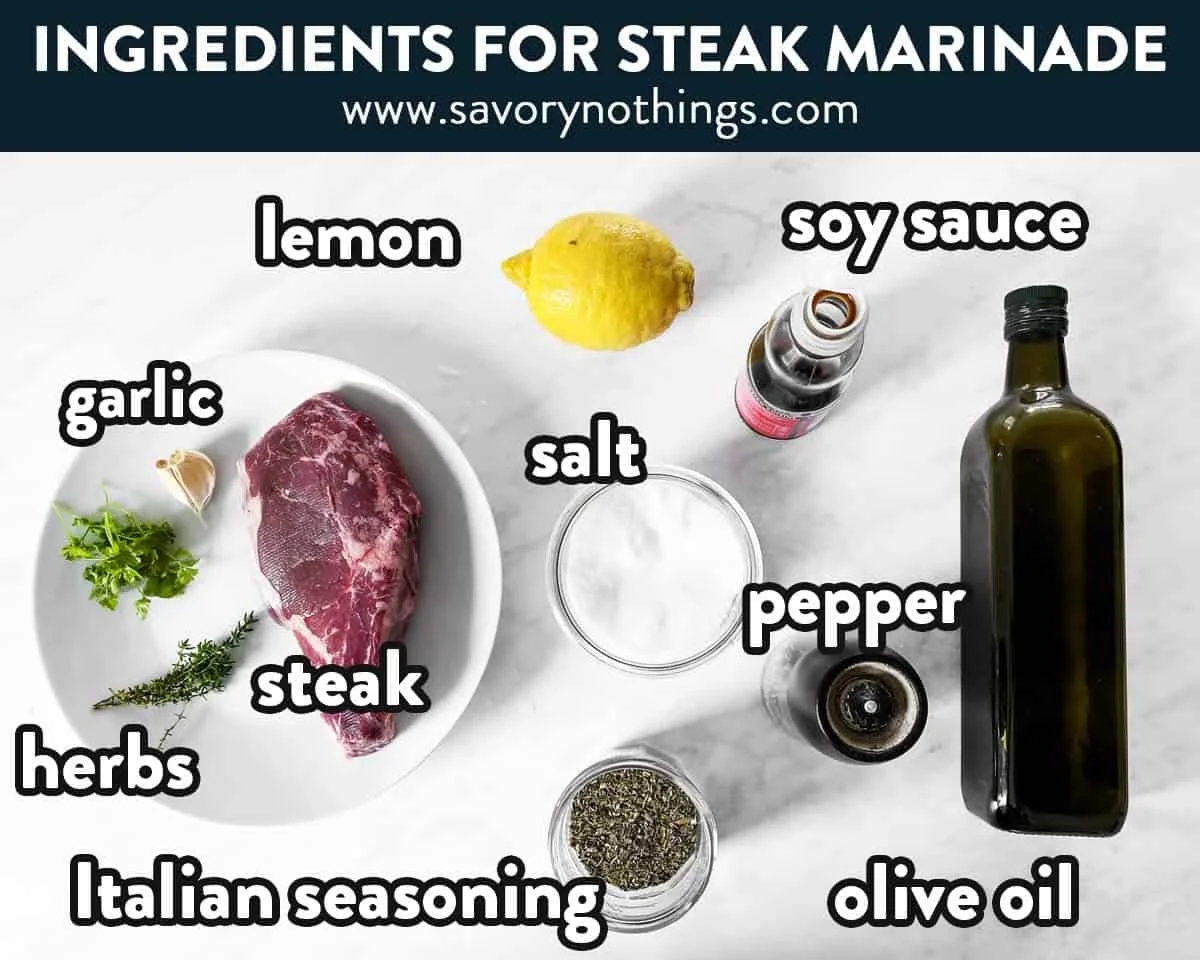
Acidic ingredients are substances that lower the pH of a marinade, introducing a tangy or sour element that can deeply influence the final texture and flavor of steak. Common acidic components include citrus juices, vinegar, and fermented liquids. These acids interact with meat proteins by breaking down connective tissues, which can enhance tenderness when used correctly. However, without proper control, acids can cause the meat to become mushy or overly soft.
How Acid Affects Meat Texture
The way acid changes meat texture lies in its ability to denature proteins. When acid penetrates the meat, it unwinds protein strands, breaking down tough fibers and connective tissue to yield a more tender bite. This process, however, can become problematic if the exposure to acid is too long or too concentrated. Instead of a firm and juicy steak, the meat can turn overly tenderized, resulting in a texture that feels unpleasantly mushy or mealy.
Common Acidic Components in Steak Marinades
Steak marinades often rely on acids such as lemon or lime juice, vinegar varieties like balsamic or apple cider, and even wine. Each has unique acid strengths and flavor characteristics, making the choice of acid critical depending on the desired taste and tenderizing effect. These ingredients not only affect texture but also contribute to the aroma and complexity of the finished dish.
Choosing the Right Acidic Ingredients for Your Steak
Comparing Different Acids: Citrus vs. Vinegar vs. Wine
One common challenge is selecting the most suitable acidic ingredient to balance tenderizing without overdoing it. Citrus juices, like lemon or lime, are strong acids that work quickly, often requiring shorter marinating times to prevent damage to the steak’s texture. Vinegars vary in acidity but generally provide a deeper flavor profile, and their moderateness allows for slightly longer exposure. Wine, while acidic, usually offers milder action combined with rich, subtle flavors, making it ideal for longer or slower marinades.
Flavor Profiles and Pairing Suggestions
Choosing the acid also involves considering how its flavor complements the steak and any additional marinade components. For instance, citrus is bright and fresh, pairing nicely with herbs like rosemary or thyme. Vinegar, especially balsamic or red wine vinegar, adds depth and slightly sweet tang, making it suitable for heartier steak cuts and smoked or grilled recipes. Wine offers a sophisticated and layered taste profile that harmonizes well with garlic, mushrooms, or shallots in the marinade.
Techniques to Prevent Over-Tenderizing
Ideal Marinating Time Frames Based on Acid Strength
Over-tenderizing usually happens when meat is left in an acidic marinade too long. Understanding the strength of the acid used is essential. Strong acids such as lemon juice require marinating times as short as 15 to 30 minutes for thin cuts. In contrast, milder acids like wine may allow marinating for several hours without compromising texture. Adjusting marinating times according to the acid’s potency prevents meat fibers from breaking down excessively.
Balancing Acidity with Other Marinade Components
One effective way to control tenderization is by diluting the acid with other ingredients such as oils, broth, or seasonings. Fats and proteins in these components create a barrier that slows the acid’s penetration, mitigating the risk of over-tenderizing. This balance enriches flavor while preserving the steak’s structural integrity, highlighting the importance of a well-rounded marinade rather than relying solely on acid.
Using Marinade Application Methods to Control Tenderizing
Another solution to avoid excessive tenderization is to apply acidic ingredients sparingly. Instead of fully submerging steak in a highly acidic marinade, brushing the marinade intermittently or using a mist method can regulate acid contact. This controlled exposure maintains a tender texture without breaking down the meat too quickly, offering precision that is particularly beneficial for expensive or thick steak cuts.
Practical Steps: Crafting the Perfect Acidic Marinade
Step-by-Step Guide to Mixing a Marinade
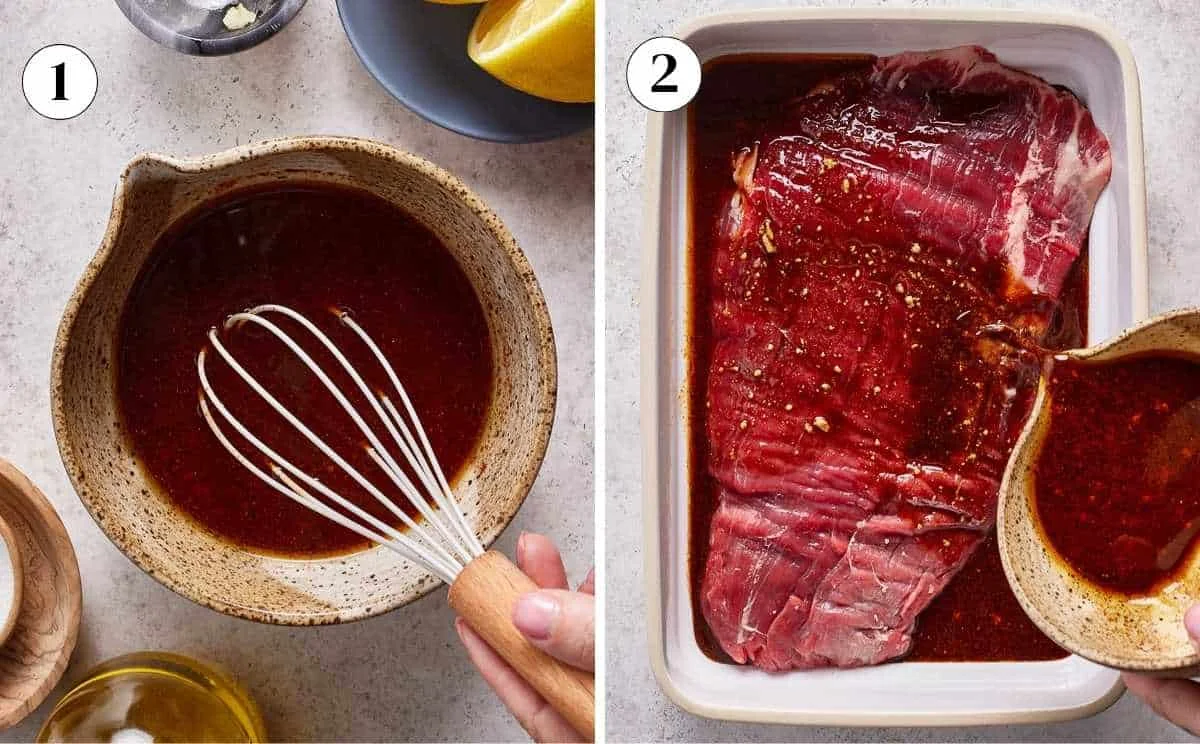
Start by selecting your acid based on flavor preference and tenderness goals. Next, combine the acid with complementary ingredients such as olive oil, herbs, and spices to create a balanced mixture. Incorporate sweeteners like honey or brown sugar if desired, to temper sharp acid notes. Whisk the components thoroughly to ensure even distribution of flavors and acidity.
Marinating Best Practices: Temperature and Timing
Always marinate steak in the refrigerator to avoid bacterial growth. Pay close attention to marinating duration; thin or highly acidic marinades may need only 15 to 60 minutes, whereas robust cuts and milder acids can handle several hours to overnight. Avoid exceeding recommended times to prevent mushy texture. Once marinated, pat the steak dry before cooking to encourage proper browning and enhance flavor.
Visual Indicators: Knowing When Your Steak Is Ready
Texture and Color Changes During Marination
During marination, the steak will develop a slightly firmer surface with subtle changes in color, often appearing more translucent due to acid penetration. Properly marinated steak remains resilient to the touch, not soft or overly delicate. Observing these visual cues helps ensure the steak has absorbed enough flavor and moisture without damage.
Signs of Over-Tenderized Meat to Avoid
Meat that is over-tenderized shows visible signs of degradation, often appearing tacky or falling apart at the edges. The texture feels excessively soft or grainy rather than firm, making it challenging to cook evenly. If you notice these characteristics during marination, it’s best to shorten the process for future attempts or reduce the acid concentration.
Beyond Tenderizing: Other Benefits of Acidic Marinades
Enhancing Flavor Penetration
Aside from tenderizing, acids enhance the ability of other marinade flavors to penetrate the meat more deeply. This results in a richer, more complex taste profile that permeates beyond the surface. The acidic environment breaks down barriers in the meat fibers, allowing herbs, spices, and aromatic ingredients to infuse more effectively.
Preserving Meat Quality and Moisture
Proper use of acid in marinades can help preserve meat quality by preventing protein tightening during cooking, which often leads to moisture loss. By pre-conditioning the meat’s fibers, acid helps retain juices, contributing to a final steak that is both tender and succulent when cooked to perfection.
Summary Tips for Using Acid in Steak Marinades Safely and Deliciously
To use acidic ingredients in steak marinades without over-tenderizing, always consider the type and strength of acid in relation to your steak cut. Limit marinating time accordingly and balance the acid with oils and other flavor components. Employ controlled application techniques and pay close attention to visual and textural cues throughout the process. By doing so, you can achieve a perfectly tender, flavorful steak while preserving its natural juiciness and structure.


