

Understanding the Need for Minimalist Storage in Small Apartments
Challenges of Limited Space
Living in a small apartment often presents unique challenges, especially when it comes to storage. With limited square footage, every inch counts. Clutter can quickly accumulate, making the space feel cramped and overwhelming. Lack of adequate storage means that belongings are often left out in the open, which not only disrupts the aesthetic but also diminishes the sense of calm and order. It’s a constant battle between functionality and comfort, where finding a place for everything becomes a critical part of daily life.
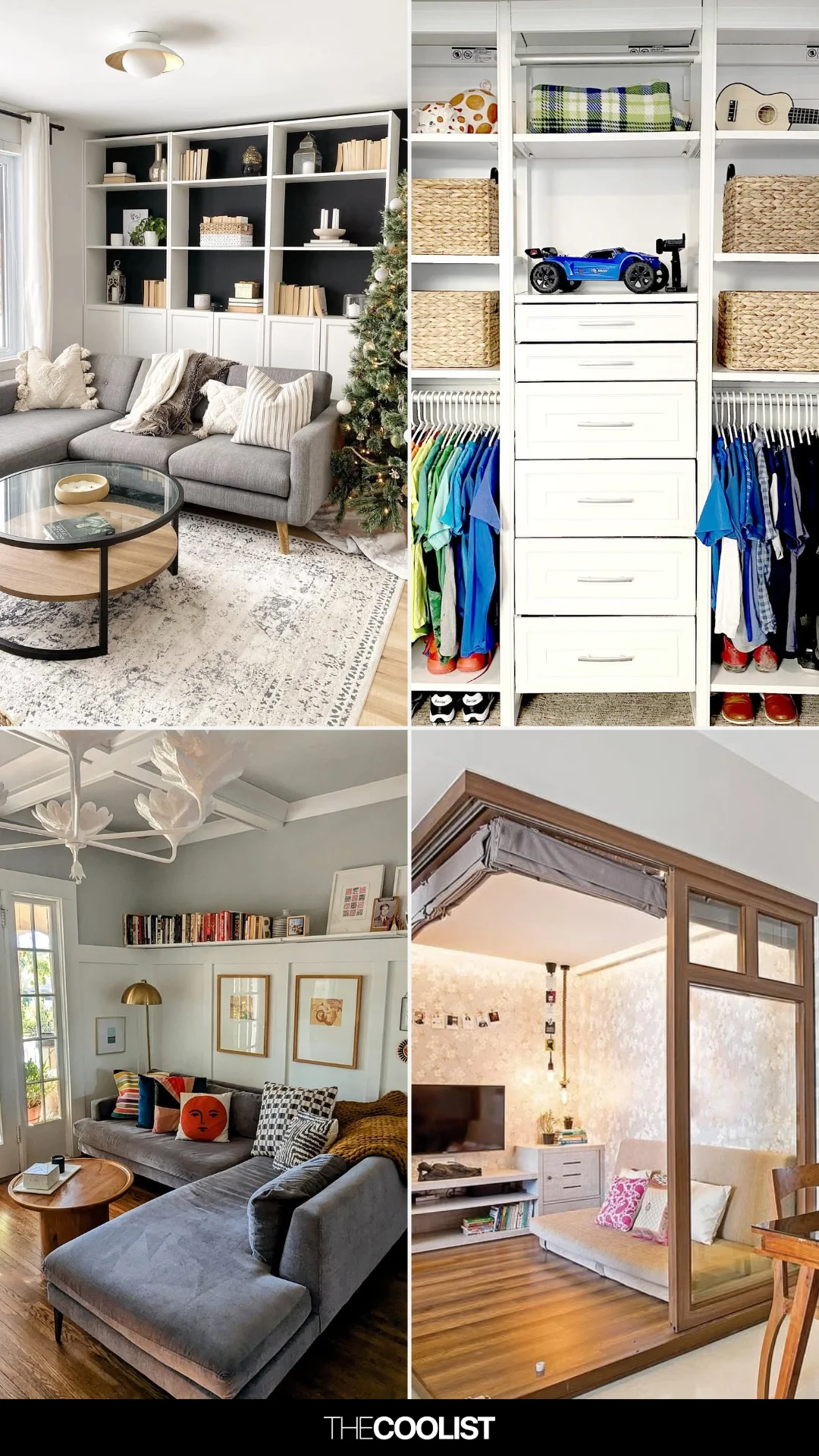
Benefits of Minimalist Design
Adopting a minimalist design philosophy can transform how you experience a small apartment. Minimalism emphasizes simplicity and intentionality, encouraging residents to only keep what they truly need or love. This approach naturally leads to less clutter, making the living space feel larger and more inviting. Additionally, minimalist storage solutions are often designed to blend seamlessly with the decor, creating a clean and cohesive look. By prioritizing functionality with style, minimalist design helps in maximizing the available space while maintaining a peaceful environment.
Top Minimalist Storage Solutions to Maximize Apartment Space
Multi-Functional Furniture Pieces
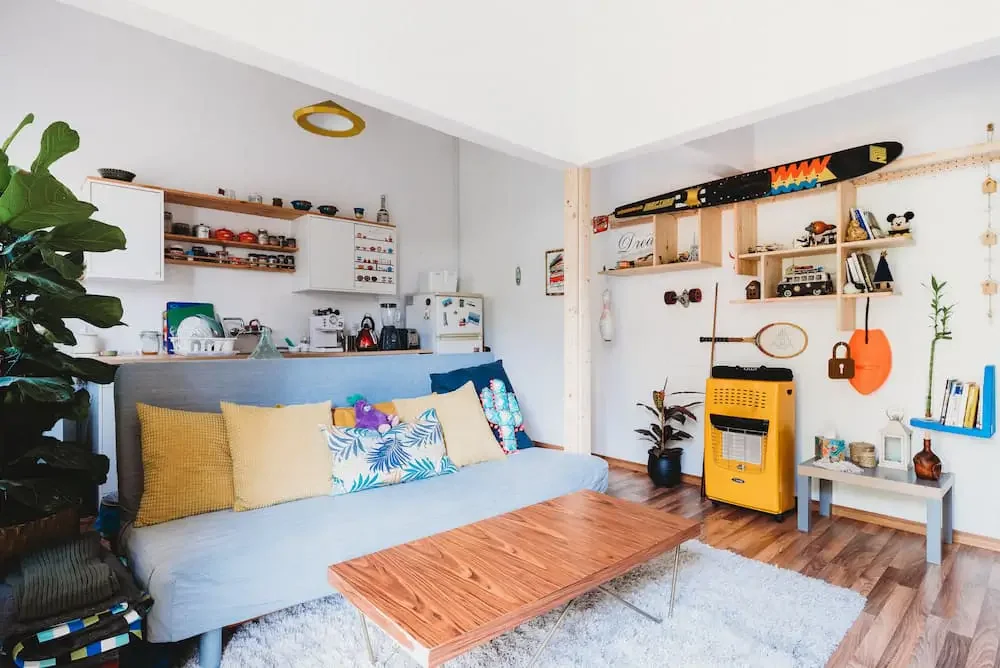
When space is at a premium, furniture that serves more than one purpose can be a game changer. Think about a storage ottoman, which can act as both a coffee table and a hidden compartment where blankets, books, or pillows are neatly tucked away. Such pieces reduce the need for multiple furniture items, freeing up valuable floor space. Beds with built-in drawers or sofas that fold out to reveal extra storage also contribute to maintaining a clutter-free living area. These clever designs allow you to live comfortably without sacrificing style or utility.
Wall-Mounted and Vertical Storage Options
Vertical space is often underutilized in small apartments. Installing floating shelves high on the walls can provide ample storage without encroaching on the living area. Enhancing these shelves with hanging racks underneath makes them even more functional, offering spots to hang mugs, utensils, or small plants. Over-the-door racks offer surprising versatility too, becoming handy places for shoes, hats, or toiletries. These solutions capitalize on often overlooked spaces, keeping everyday items within easy reach yet out of sight, enhancing the overall efficiency of the apartment.
Hidden and Concealed Storage Ideas
Concealed storage maintains the minimalist aesthetic by keeping belongings out of view. Wicker baskets, for example, are inexpensive and flexible storage options, perfect for quickly tidying up clutter while adding a natural texture to the room. Decorative ladders can double as portable storage units, lending a rustic charm while holding towels or throw blankets. Lazy Susan turntables, often kept inside cabinets, make selecting spices or small items effortless thanks to their 360-degree rotation. Utilizing hidden compartments like these helps to retain a clean and organized living space without foregoing accessibility.
Design Tips to Enhance Storage Efficiency
Decluttering Strategies for Small Spaces
Storage solutions work best when paired with intentional decluttering. Regularly assessing what you truly need can prevent unnecessary accumulation. Slim hangers are a small but impactful change; they save space in closets and lend a streamlined, professional look to your wardrobe. Adopting a habit of putting things back immediately after use encourages an orderly environment. It’s also helpful to designate specific zones for different categories of items, so you always know where to find—and return—them. This mindful approach reduces stress and keeps the apartment’s storage working as intended.
Utilizing Color and Light to Create Spaciousness
Beyond physical storage solutions, the perception of space plays an essential role in small apartments. Light, neutral tones on walls and furniture reflect sunlight, making rooms appear larger and more open. Mirrors strategically placed can amplify this effect by bouncing light around the room. Consistent color palettes unify the space, preventing visual clutter and promoting a feeling of calm. Even the storage containers you choose can contribute; opting for clear or matching baskets instead of random boxes helps maintain a cohesive and airy ambiance.
Real-Life Examples: Minimalist Storage in Tiny Apartments
Case Study 1: Studio Apartment Transformation
In a compact studio apartment, a single woman managed to create a multifunctional living area by prioritizing minimalist storage. She chose a bed frame with built-in drawers and paired it with a storage ottoman that doubles as a coffee table. Floating shelves mounted above her workspace hold books and decor, while over-the-door racks keep shoes and accessories neatly out of the way. Wicker baskets tucked under these shelves provide flexible storage for everyday items. The result is a bright, airy space that feels surprisingly spacious despite the small footprint.
Case Study 2: Maximizing Storage in a One-Bedroom Flat
A young couple living in a one-bedroom flat approached their storage challenges by creatively using vertical space and hidden compartments. They installed decorative ladders in the living room to hold blankets and magazines, adding both charm and function. The kitchen cabinets were optimized with Lazy Susan turntables, making it easy to access spices and canned goods. In the bedroom, slim hangers and a few well-placed floating shelves helped keep their clothes and accessories organized. By combining smart storage with thoughtful design, they turned their compact home into a comfortable retreat that easily accommodates their lifestyle.


