

Introduction to High-Protein Smoothies for Recovery
After an intense workout, your body craves nourishment that helps replenish energy, repair muscles, and accelerate recovery. High-protein smoothies offer a convenient, delicious way to meet these needs quickly. They combine essential nutrients in one blend, making them perfect for anyone who wants to maximize the benefits of their post-exercise routine without spending too much time preparing food. However, knowing which ingredients to include and how these components work is key to creating effective recovery smoothies.
Benefits of Protein in Post-Workout Nutrition
Muscle Repair and Growth
One of the main challenges after strenuous physical activity is muscle damage. Exercise causes microscopic tears in muscle fibers, which need protein to rebuild stronger and bigger. Protein supplies the amino acids needed for this repair process. Without adequate protein intake, muscles take longer to recover, and progress toward fitness goals slows. Consuming protein promptly after exercise supports muscle protein synthesis, helping you regain strength and grow muscle mass more efficiently.
Improved Recovery Time
Extended soreness and fatigue can limit your ability to exercise regularly. Protein helps reduce inflammation and supports muscle recovery, decreasing downtime between workouts. This leads to better consistency in training and improves overall endurance. Alongside carbohydrates and hydration, protein smoothes the recovery curve, allowing you to bounce back faster and maintain high energy levels for subsequent sessions.
Essential Ingredients for Quick Protein Smoothies
Best Protein Sources
Choosing the right protein source sets the foundation for a post-workout smoothie. Whey protein is popular for its rapid absorption and complete amino acid profile. For those who prefer plant-based options, hemp seeds, pea protein powders, and soy-based proteins provide vegan alternatives without sacrificing nutritional content. Greek yogurt also adds protein while enhancing creaminess. Selecting a protein powder flavor, such as vanilla or chocolate, can complement the smoothie mix and elevate taste.
Fruits and Vegetables for Added Nutrients
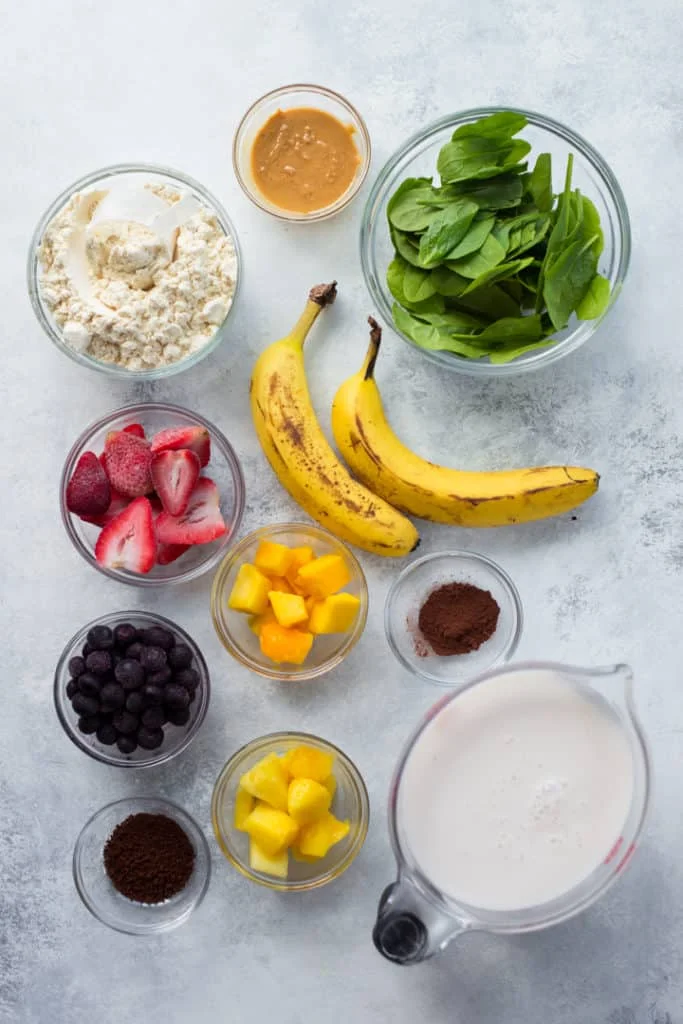
Fruits and vegetables contribute essential vitamins, minerals, and antioxidants necessary for overall wellness and immune support after exercise. Bananas and berries supply carbohydrates to replenish glycogen stores and antioxidants to combat oxidative stress. Leafy greens like spinach are virtually tasteless in smoothies but pack vitamins A and C, iron, and fiber. Using frozen or fresh fruits depends on availability, and dicing them before blending helps achieve the ideal texture.
Boosters: Seeds, Nuts, and Supplements
Seeds such as chia and flax add omega-3 fatty acids and fiber, supporting heart health and digestion. Nuts or nut butters not only increase protein content but also provide healthy fats, contributing to satiety after workouts. Supplements like maca powder can enhance energy and hormone balance without caffeine’s side effects, while optional additions like honey or cinnamon improve flavor and offer additional antioxidant benefits. Incorporating cooked quinoa increases protein further and adds a unique texture.
Top 5 Quick High-Protein Smoothie Recipes
Recipe 1: Classic Banana & Whey Protein Shake
This smoothie addresses the common post-workout need for muscle repair. Ripe bananas provide natural sweetness and easily digestible carbohydrates, while whey protein supplies essential amino acids. Using unsweetened almond milk keeps the smoothie hydrating yet light. For best results, blend until creamy and smooth for a quick boost that’s both refreshing and restorative.
Recipe 2: Berry and Greek Yogurt Power Smoothie
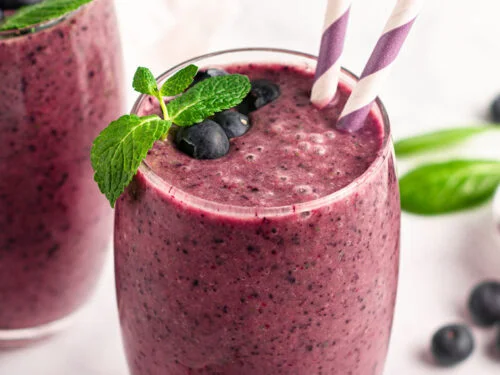
Struggling with recovery fatigue? This recipe combines antioxidant-rich blueberries and protein-packed Greek yogurt to fight oxidative damage and encourage muscle healing. Adding a handful of spinach enriches it with additional nutrients without altering taste. The texture is thick and satisfying, making it a perfect refuel option after endurance training.
Recipe 3: Peanut Butter and Chocolate Muscle Blend
When craving something indulgent yet beneficial, this smoothie hits the mark. Peanut butter brings healthy fats and protein, while chocolate protein powder makes it deliciously rich. Pair these with a frozen banana and unsweetened coconut water to keep calories balanced and hydration intact. A dash of cinnamon enhances flavor and helps regulate blood sugar.
Recipe 4: Green Protein Detox Smoothie
For those wanting a nutrient-dense option to cleanse and refuel, this blend incorporates spinach, cucumber, and maca powder alongside pea protein. Raw coconut water as the base ensures you receive hydration plus electrolytes without nutrient loss from pasteurization. This smoothie energizes without caffeine and aids in hormonal balance, ideal for post-workout recovery and detoxification.
Recipe 5: Tropical Protein Recovery Shake
Feel like escaping your routine? Combining pineapple, mango, and a protein powder creates a tropical-flavored recovery shake rich in vitamin C and antioxidants. Using oat milk or almond milk as a liquid base makes it creamy and smooth while providing hydration. This smoothie supports immune function and revitalizes muscles, perfect for hot weather or when you need a refreshing change.
Tips for Making Smoothies Faster and More Efficient
Time is often a limiting factor after workouts. Preparing ingredients ahead of time, such as dicing fruits or pre-measuring powders and seeds, speeds up the process. Using a high-powered blender guarantees a smooth texture quickly and ensures all ingredients are well incorporated. Experimenting with frozen fruits can also eliminate the need for ice cubes, reducing blending time. Additionally, combining flavors by varying protein powder types or yogurt bases keeps your smoothies interesting and tailored to your taste preferences.
How to Customize Smoothies Based on Your Fitness Goals
Weight Loss Focus
For those aiming to shed pounds, focus on incorporating low-calorie liquids like unsweetened almond milk or coconut water and boosting fiber with leafy greens and seeds. Avoid adding excessive sweeteners and opt for protein powders that are unflavored or lightly flavored to keep calories controlled. Adding a variety of vegetables enhances nutrient intake while maintaining a low glycemic load, helping you stay satiated without overeating.
Muscle Gain Focus
When muscle building is the priority, increase protein and healthy fat content in your smoothies. Use creamy bases such as Greek yogurt or almond milk, along with nut butters and cooked quinoa for extra protein. Including carbohydrate-rich fruits like bananas or mangoes replenishes glycogen and supports muscle growth. Adjust portions and incorporate high-quality protein powders like whey or pea protein to meet daily macronutrient goals effectively.
Endurance and Stamina Focus
For endurance athletes, replenishing energy stores and maintaining hydration are critical. Smoothies should combine complex carbohydrates, moderate protein, and electrolytes. Raw coconut water or oat milk serve as excellent bases for hydration and minerals. Incorporating antioxidant-rich fruits and a touch of natural sweeteners like honey aids in reducing oxidative stress and sustaining stamina. Adding maca powder can provide sustained energy without caffeine crashes, optimizing performance and recovery.


