

Introduction to Low-Sodium Cooking
Why Choose Low-Sodium Vegetable Soup?
Many people aim to reduce their salt intake but struggle to find meals that remain flavorful without it. Low-sodium vegetable soup offers a delicious solution that satisfies taste buds without relying on excessive salt. By focusing on fresh ingredients and natural seasonings, this soup provides nourishing comfort food ideal for everyday meals or meal prep. It’s particularly beneficial for those managing health conditions or simply seeking to improve their dietary habits.
Health Benefits of Reducing Salt Intake
High sodium consumption is linked to increased blood pressure and risk of heart disease. Lowering salt intake can help maintain healthy blood pressure levels, support kidney function, and reduce fluid retention. Preparing low-sodium meals, like vegetable soup, encourages mindful eating habits and promotes long-term wellness. This approach not only aids those with specific health concerns but benefits anyone wanting to eat cleaner and feel better overall.
Essential Ingredients for a Flavorful Base
Selecting Fresh Vegetables
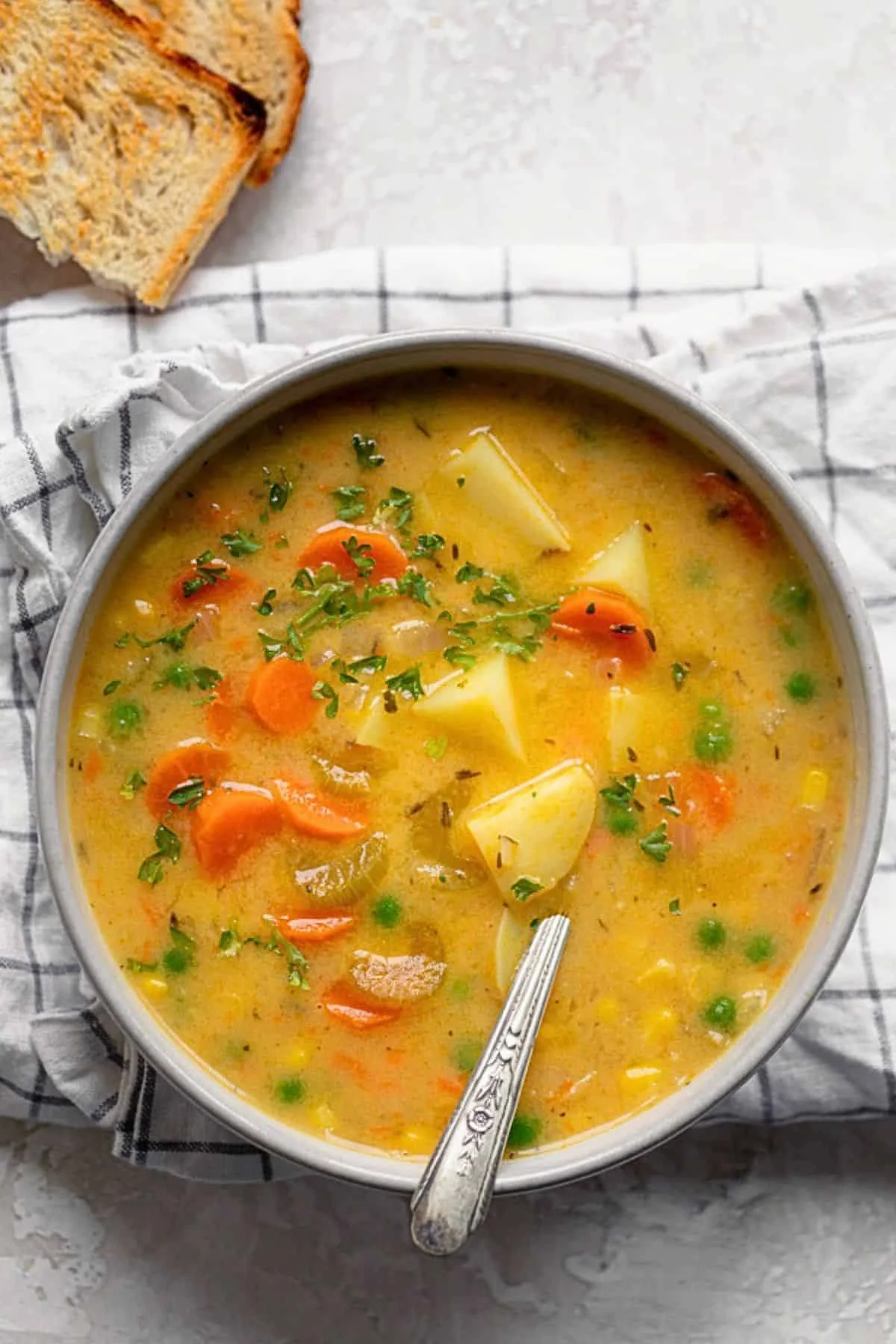
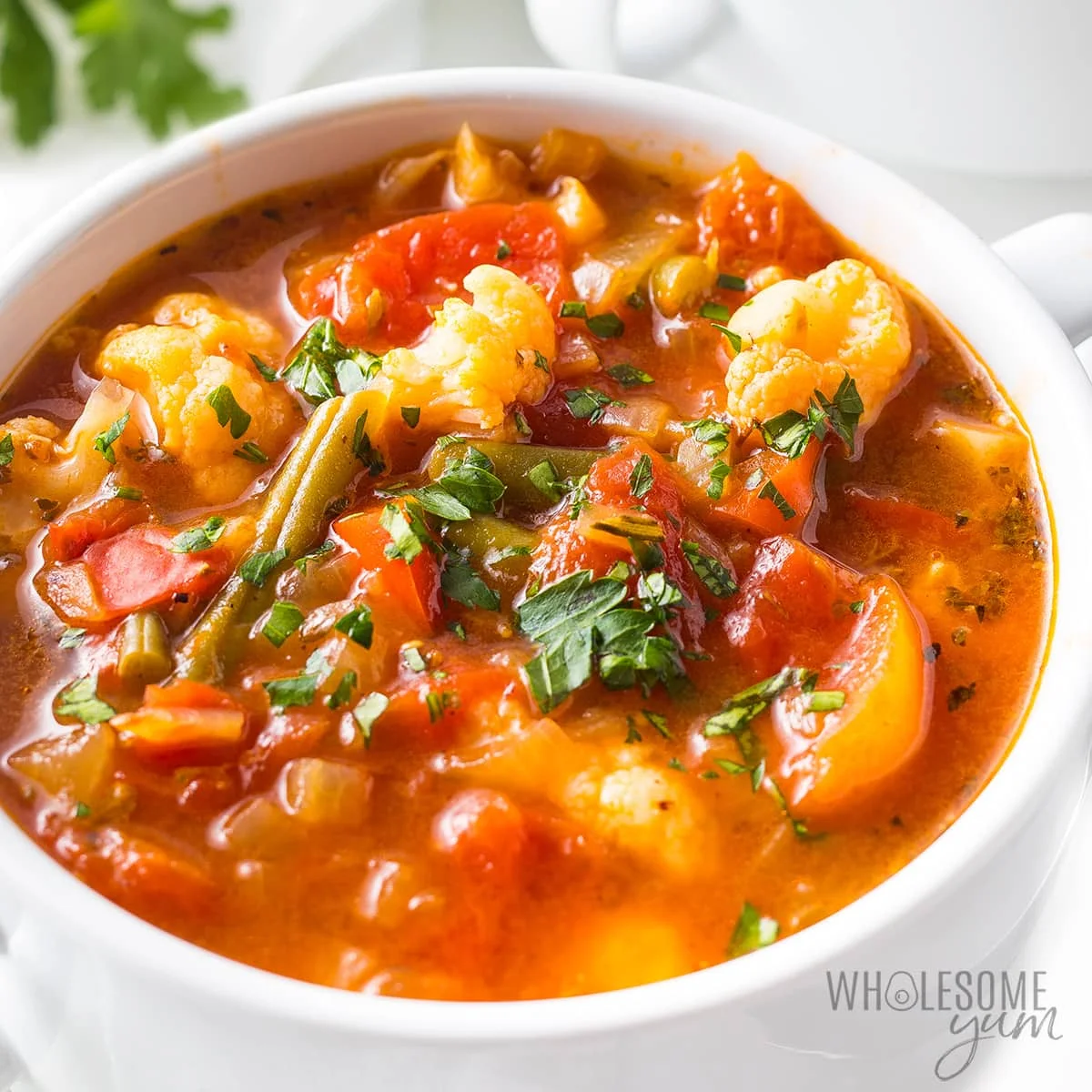
The key challenge in low-sodium cooking is ensuring that dishes are rich in flavor without excess salt. Fresh vegetables bring natural sweetness, earthiness, and texture, forming a captivating base for the soup. Opt for a variety of colorful options such as carrots, celery, zucchini, cauliflower, and onions, which offer layered flavors and nutrients. Using seasonal produce enhances freshness and taste, making the soup far from bland.
Herbs and Spices That Enhance Flavor Without Salt
Without salt to enhance flavors, herbs and spices become essential to creating depth and aroma. Fresh parsley, basil, thyme, and bay leaves provide bright herbal notes while garlic and onion powder add savoriness. Spice options like black pepper, smoked paprika, or a hint of chili powder awaken the palate. These ingredients transform simple vegetables into a complex and enjoyable dish, relieving the need for sodium.
Choosing the Right Broth Alternatives
Broth is often a major source of sodium in soups. To avoid this, low-sodium or no-salt vegetable broth is a good starting point. Alternatively, homemade stock made from simmering vegetables offers control over flavor and salt content. For those not adhering strictly to vegetarian diets, no-salt chicken or beef stock can add richness without excess sodium. Water combined with aromatic vegetables or herbs can also serve as a neutral, salt-free liquid base.
Preparation Steps
Washing and Chopping Vegetables Efficiently
Proper preparation helps ensure a smooth cooking process and a well-balanced final product. Washing vegetables thoroughly removes dirt and pesticides, improving cleanliness. Organizing the chopping process by grouping similar vegetables together can save time and maintain consistency in size, which is important for even cooking. Prepping vegetables earlier in the week and storing them in separate containers also speeds up meal prep on cooking day.
Sautéing Techniques to Build Flavor
One common struggle in low-sodium soup is achieving a full-bodied flavor. Sautéing vegetables like onions, garlic, and celery in a little olive oil first caramelizes their natural sugars, adding sweetness and depth. This step creates a rich flavor foundation that infuses the broth during simmering. Cooking ingredients over medium heat until fragrant, but not browned, helps unlock maximum aroma without bitterness.
Cooking the Soup
Layering Ingredients for Optimal Taste
Building the soup in layers enhances complexity. Start by adding heartier vegetables such as carrots and potatoes to the pot early, as they require longer cooking. Follow with softer vegetables and leafy greens later in the process to prevent overcooking. Introducing herbs and spices gradually during different stages helps distribute flavors evenly. This technique prevents any one note from overpowering the dish.
Simmering and Timing Tips
Simmering allows flavors to meld harmoniously, but overcooking can cause mushy textures and dull tastes. Maintaining a gentle simmer rather than a rapid boil preserves vegetable integrity. Aim to cook the soup just long enough for vegetables to become tender but still retain their shape. Regularly tasting during cooking guides adjustments and helps avoid blandness or excessive dilution.
Final Seasoning Tricks
Using Acidic Ingredients to Brighten Flavor
A common problem with low-sodium soups is lack of brightness or punch. Adding small amounts of acidic ingredients like vinegar or fresh lemon juice can lift and enhance flavors without increasing sodium. Adding these acidic touches gradually, one teaspoon at a time after tasting, ensures the soup gains a fresh, vibrant quality without becoming too sharp or sour.
Incorporating Umami Boosters for Depth
Umami—the savory taste—adds satisfying richness that compensates for low salt. Incorporate natural umami sources such as mushrooms, tomato paste, or a small amount of nutritional yeast. These ingredients deepen the overall flavor profile and create a more complex, hearty soup. Using umami boosters in moderation enriches the dish without compromising its healthfulness.
Meal Prep and Storage
Portioning and Freezing Tips
Preparing soup in large batches is practical for busy schedules and ensures nutritious meals are always ready. Portion soups into airtight containers to maintain freshness. Proper storage prevents spoilage, with refrigeration suitable for up to four days and freezing extending shelf life to three months. Labeling containers with dates helps track freshness and ensures food safety.
Reheating Without Losing Taste
Reheating soup can sometimes dull flavors or change textures. To avoid this, reheat gently over low heat, stirring occasionally to distribute heat evenly. Avoid boiling the soup during reheating, as this can break down vegetables. Adding a drizzle of olive oil or a fresh squeeze of acid after reheating can revive the soup’s brightness and richness, making each serving as delicious as the first.
Conclusion
Summary of Key Points
Creating flavorful low-sodium vegetable soup starts with choosing fresh ingredients and enhancing natural flavors through herbs, spices, and cooking techniques like sautéing. Layering vegetables thoughtfully and using acidic and umami components elevate the dish without relying on salt. Proper meal prep and storage methods ensure lasting freshness and convenience, making this soup ideal for healthy eating routines.
Encouragement to Experiment with Flavors
No two batches of soup need to taste the same. Vary your recipes by adding different vegetables, herbs, or beans to keep your meals exciting. Experimenting with seasoning combinations and textures invites creativity while keeping dishes wholesome. Embrace the journey of discovering your perfect low-sodium soup, and enjoy the benefits of nourishing, flavorful meals that support your health goals.


