

Introduction to Pan Seared Steak with Garlic Butter Sauce
Why Choose Pan Seared Steak?
Pan searing steak is a popular cooking method because it creates a delicious crust that locks in the juices, providing a tender and flavorful result. The intense heat from the pan caramelizes the surface of the meat, producing complex and savory flavors that grilling sometimes can’t match. This method is particularly convenient, as it requires minimal equipment and can be done year-round, regardless of weather conditions.
The Allure of Garlic Butter Sauce
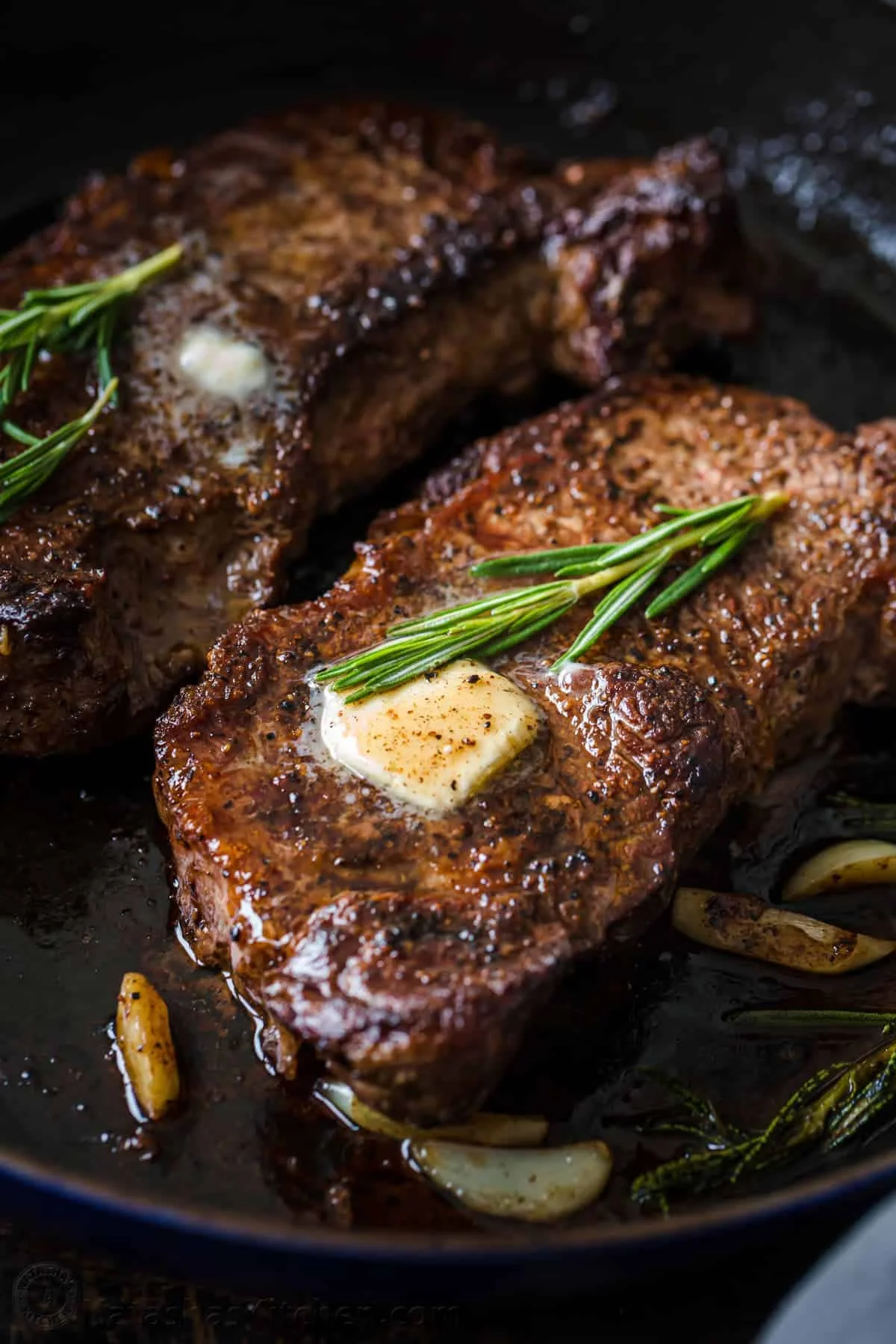
Garlic butter sauce elevates the pan seared steak by adding richness and an aromatic punch that complements the meat’s natural flavors. The combination of melted butter infused with fresh garlic creates a luscious sauce that coats the steak perfectly. This sauce not only enhances the taste but also adds a luxurious texture that appeals to steak lovers seeking a restaurant-quality experience at home.
Essential Ingredients: Steak and More
Selecting the Perfect Cut of Steak
The quality of your steak significantly impacts the final dish. Cuts such as ribeye, New York strip, or filet mignon are excellent choices for pan searing because of their balance between tenderness and marbling. Marbling—the intramuscular fat—melts during cooking, ensuring the steak remains juicy and flavorful. Choosing fresh, well-marbled, and properly aged meat is crucial to achieving the best results.
Fresh Ingredients for Garlic Butter Sauce
The garlic butter sauce demands fresh ingredients to maximize its flavor. Fresh garlic cloves provide a pungent aroma and sharp taste, while high-quality unsalted butter offers a creamy richness. Adding herbs like parsley or thyme can provide a subtle, herbaceous note that brightens the sauce. Using fresh ingredients ensures the sauce complements the steak without overpowering it.
Tools Needed for the Perfect Pan Seared Steak
Choosing the Right Pan
Using an appropriate pan is foundational to cooking a perfect pan seared steak. A heavy-bottomed skillet, such as cast iron or stainless steel, retains and distributes heat evenly, which is essential for forming a crust. Non-stick pans typically don’t provide the same sear quality. The pan should be large enough to avoid overcrowding, thus allowing the steak to cook uniformly.
Additional Kitchen Tools and Utensils
Beyond the pan, several tools assist in cooking the steak to perfection. Tongs provide a secure grip without piercing the meat, preserving juices. A meat thermometer is invaluable for monitoring internal temperature to achieve your desired level of doneness. Lastly, a spoon is useful for basting the steak with garlic butter during cooking, enhancing flavor and moisture.
Preparation Steps Before Cooking
Seasoning the Steak Properly
Proper seasoning is key to enhancing the natural flavors of the steak. Pat the steak dry to remove excess moisture; this helps develop a better crust. Generously season both sides with coarse salt and freshly ground black pepper. Allow the steak to rest at room temperature for about 30 minutes before cooking to ensure even heat penetration and flavor development.
Preparing the Garlic Butter Sauce Ingredients
While the steak rests, prepare the garlic butter sauce ingredients. Mince fresh garlic finely to release its aroma quickly when sautéed. Soften the butter to room temperature for easy melting and mixing. If using fresh herbs, chop them finely and have them ready to add at the final cooking stage. Organizing these ingredients beforehand streamlines the cooking process.
Cooking the Steak: A Step-by-Step Process
Heating the Pan and Adding Oil
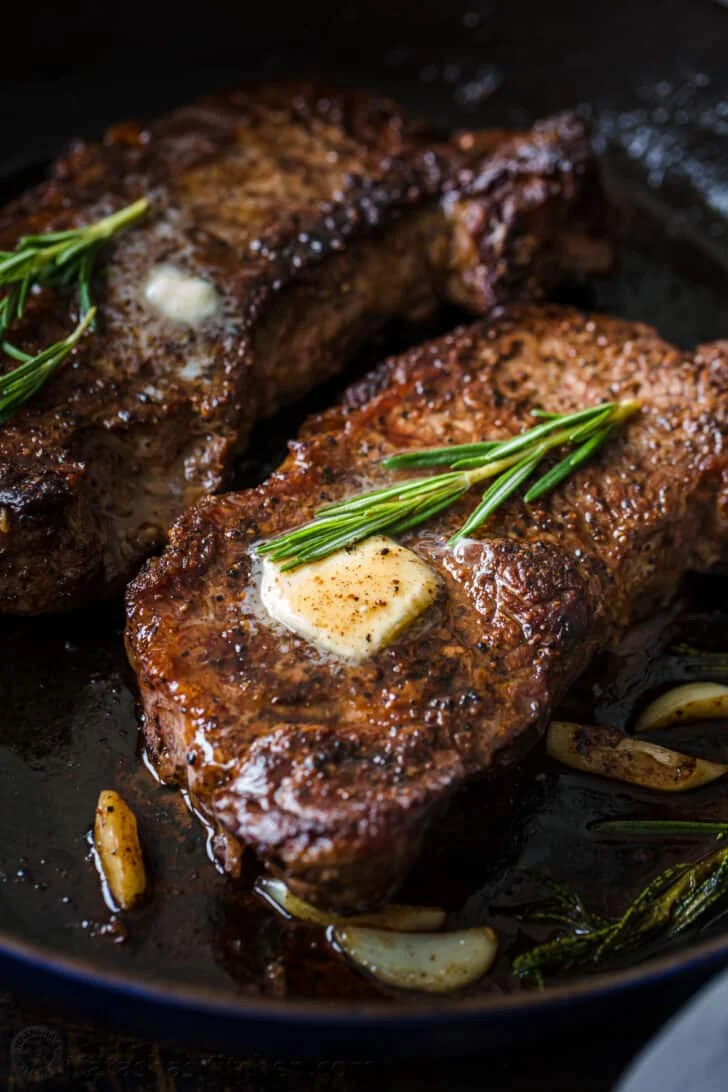
Begin by heating your chosen pan over medium-high heat until it is hot but not smoking. Adding a high smoke point oil, such as canola or grapeseed oil, ensures the oil won’t burn quickly and impart bitter flavors. The pan should be shimmering before placing the steak in to ensure immediate searing and crust formation.
Searing the Steak to Perfection
Place the steak gently into the pan to avoid oil splashes. Avoid moving it for the first few minutes to allow a crust to develop. Flip the steak once a deep golden-brown crust forms on the first side. Depending on thickness, sear for about 3-4 minutes per side. During the final minute, add the garlic butter to the pan and spoon it over the steak, infusing it with rich flavor.
Monitoring Internal Temperature for Desired Doneness
Overcooking or undercooking steak can be disappointing. Use a meat thermometer to measure internal temperature: 120°F for rare, 130°F for medium-rare, 140°F for medium, and 150°F for medium-well. Removing the steak from heat a few degrees below your target temperature accounts for carryover cooking during resting, resulting in the perfect doneness.
Making the Garlic Butter Sauce
Sautéing Garlic to Release Aromas
After cooking the steak, reduce the pan to low heat and add a bit more butter if needed. Add the minced garlic and cook gently until it becomes fragrant and lightly golden, being careful to avoid burning. This step is essential because raw or burnt garlic can impart an unpleasant taste, whereas properly sautéed garlic enhances the sauce’s aroma perfectly.
Incorporating Butter and Finishing Touches
Once the garlic is aromatic, add the remaining softened butter and stir until melted and combined. Incorporate chopped fresh herbs for added freshness and flavor complexity. This buttery sauce should be smooth and glossy, ready to be poured over the steak or used for basting to finish the dish with rich, garlicky notes.
Serving Suggestions and Presentation
Resting the Steak
Resting the steak after cooking is critical. This process allows the juices, which are driven to the center during cooking, to redistribute evenly throughout the meat. Tent the steak loosely with foil and let it rest for around 5-10 minutes. Serving without resting risks dry, uneven texture that diminishes the overall experience.
Plating Tips with Garlic Butter Sauce Drizzle
When plating, arrange the steak attractively on a warm plate and spoon the garlic butter sauce over the top or around the edges for visual appeal. Add a garnish of fresh herbs to enhance the presentation. Complement the steak with simple sides such as roasted vegetables or mashed potatoes to create a balanced and inviting meal.
Common Mistakes to Avoid When Pan Seared Steak
Overcrowding the Pan
Attempting to cook multiple steaks in a crowded pan can cause the temperature to drop, resulting in steaming rather than searing. This prevents the formation of a proper crust and leads to uneven cooking. Cook steaks in batches if necessary, ensuring each piece has enough space for optimal heat exposure.
Not Letting the Steak Rest
Serving steak immediately after cooking can cause the juices to escape when cut, leaving the meat dry. Resting is essential to lock in moisture and achieve tenderness. Skipping this step is a common mistake that negatively impacts the flavor and texture of the final dish.


