

Introduction to Grilling Chicken Thighs
Why Chicken Thighs Are Ideal for Grilling
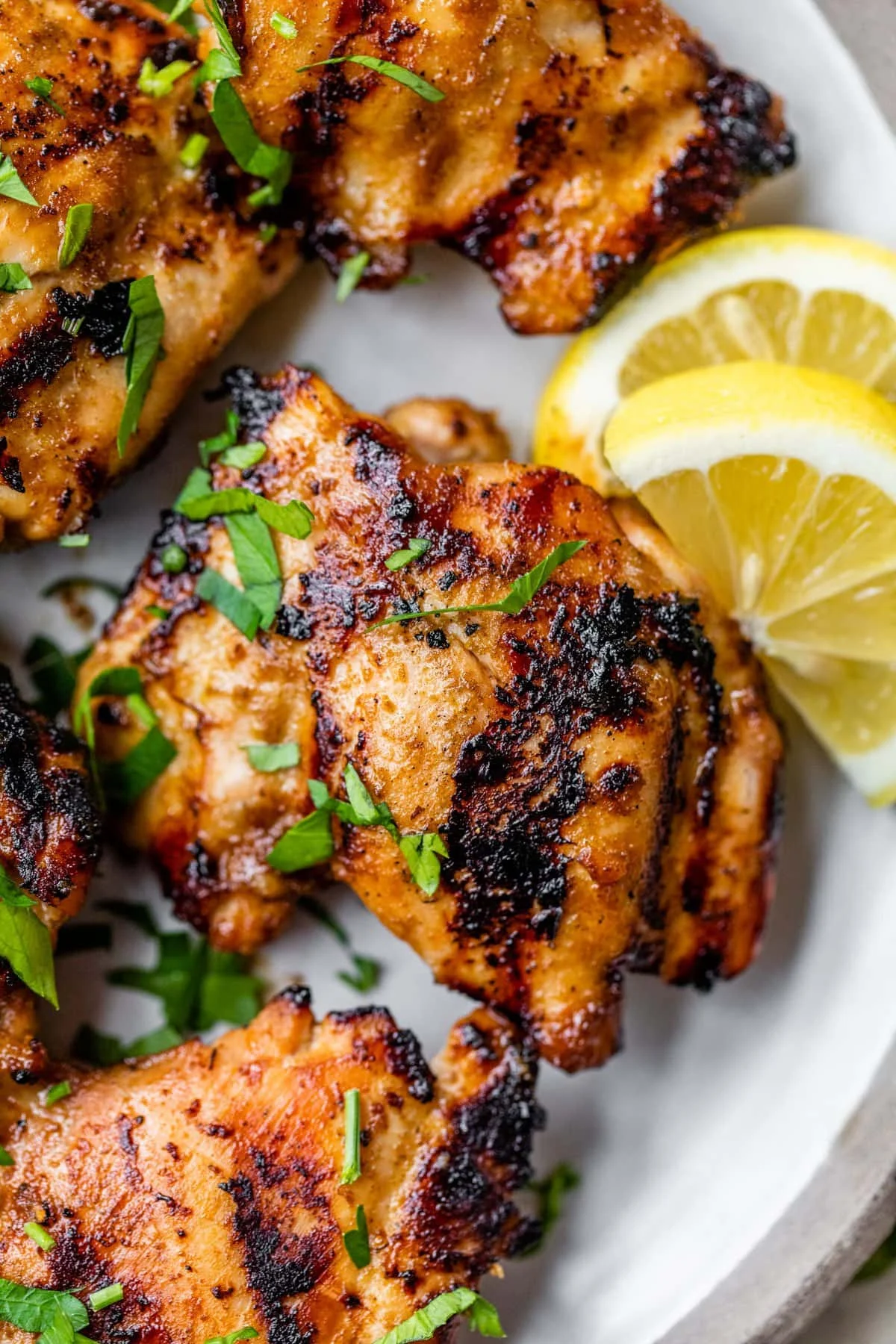
Imagine you’re hosting a backyard barbecue and want to impress friends with juicy, flavorful chicken. Chicken thighs are the unsung hero in grilling because their higher fat content compared to breasts keeps them moist under high heat. This makes them more forgiving on the grill, even for home cooks who may not be experts. Their rich texture absorbs marinades and rubs beautifully, resulting in complex layers of taste that bring every bite to life. Whether bone-in or boneless, chicken thighs develop that crave-worthy crispy skin that elevates the grilling experience.
Common Mistakes That Cause Dryness
One of the biggest pitfalls in grilling chicken thighs is overcooking. Many grillers turn up the heat too high and leave the chicken too long on direct flame, causing the fat and moisture to evaporate quickly. Others skip crucial steps like marinating or use overly thick sauces that burn before the meat cooks through. A rushed approach, such as not letting the meat rest post-grill, can also wring out juices. These errors are often the difference between a leathery bite and perfectly tender chicken that melts in your mouth.
Essential Tools and Ingredients for Grilling
Choosing the Right Chicken Thighs
For a memorable grilled chicken experience, bone-in, skin-on chicken thighs offer superior juiciness and flavor compared to boneless options. The bone provides insulation during cooking, which helps retain moisture. For instance, a chef friend of mine swears by always grilling bone-in thighs to get that balance of crisp skin and succulent meat. That said, boneless thighs can work well if you prioritize faster cooking or prefer easier eating.
Recommended Marinades and Rubs
Simple seasonings, like salt and pepper, often let the innate flavor of the dark meat shine. However, for a more complex profile, a dry rub with garlic powder, cumin, smoked paprika, coriander, sea salt, and black pepper can transform a basic thigh into a mouthwatering dish. I recall trying a honey sriracha marinade that was both sweet and spicy—it completely changed my perception of grilled chicken thighs. Other popular options include teriyaki for a savory Asian twist, zesty Greek blends with lemon and oregano, or a cilantro lime marinade for freshness.
Grill Types and Accessories
Whether using a charcoal grill or a gas grill, each has its advantages. Charcoal imparts that unmistakable smoky flavor, while gas offers better heat control and convenience. Accessories like a grill thermometer and a two-zone fire setup can be game changers. A two-zone fire allows you to sear the chicken over direct heat and then move it to indirect heat to finish cooking gently without burning. Using a good grill mat or basket keeps smaller pieces from falling through and makes flipping easier.
Preparation: The Key to Juicy Chicken Thighs
Trimming and Cleaning Tips
Before marinating, take a moment to trim excess fat and remove unwanted bits like small cartilage pieces. This step ensures even cooking and prevents flare-ups on the grill. Washing or patting the thighs dry is essential because moisture on the skin can hinder crisping. A friend once shared how skipping this step led to soggy skin, which really diminished his grilling efforts.
Best Marinading Techniques and Timing
Marinating is more than just soaking the meat; it’s an opportunity to infuse deeper flavor. Massaging the marinade into the chicken thighs helps the spices penetrate better. While two hours or overnight in the refrigerator yields the most robust taste, even a quick 30-minute marinade can work wonders when time is tight. I recall a spur-of-the-moment cookout where the 30-minute honey sriracha marinade still left everyone asking for seconds.
How to Season for Maximum Flavor
Incorporating olive oil in your seasoning blend not only helps spices adhere but also contributes to a crispier, more appetizing skin. Think of olive oil as the binding agent that locks in the flavor while promoting that golden exterior. Seasoning right before grilling prevents salt from drawing out too much moisture prematurely, preserving juiciness throughout the cook.
Mastering the Grill: Step-by-Step Instructions
Setting the Grill Temperature Correctly
Success on the grill starts with controlling your temperature. Aim for a medium-high heat, around 375 to 400 degrees Fahrenheit. This level is hot enough to crisp the skin but not so aggressive that it chars the chicken before cooking inside. Using a grill thermometer or the built-in gauge on your grill helps maintain this range consistently—something I learned during a summer cookout where an uneven grill resulted in some dried thighs and others perfectly cooked.
Direct vs. Indirect Heat: What to Use and When
The two-zone fire method is essential for chicken thighs. Begin by placing the thighs skin-side down directly over the heat for about four minutes to achieve a crispy, caramelized crust. Then flip and grill for another four minutes on direct heat. After this searing stage, move the thighs to indirect heat, allowing them to cook through gently without burning. This balance produces juicy, tender meat with minimal flare-ups or charring.
Timing Each Side for Perfect Cooking
Timing is everything. Once flipped after the initial four minutes, the thighs need another four minutes on the other side to develop even color. After relocating to indirect heat, continue cooking for around 7 minutes or until the internal temperature reaches 165 degrees Fahrenheit. Using a meat thermometer helps take the guesswork out, preventing overcooking and dryness. One grilling novice I know once mistimed and ended up with chewy chicken, but after adopting this timing, their results improved dramatically.
Advanced Tips to Retain Juiciness
Using Brining to Enhance Moisture
Brining is a powerful technique that many overlook. Soaking chicken thighs in a simple saltwater solution for a few hours increases their ability to retain moisture during grilling. I remember a weekend where I tried a light brine before marinating, and the thighs came off the grill far juicier than usual. The extra step rewards patience with tenderness and flavor that’s hard to beat.
Resting the Meat Before and After Grilling
Allowing the chicken thighs to rest both before seasoning and after cooking plays a crucial role in juiciness. Resting pre-cook ensures the meat temperature evens out, promoting even cooking. After grilling, giving the chicken five minutes to rest lets the juices redistribute, preventing them from spilling out the moment you cut in. This simple pause made a notable difference during a family BBQ I hosted, with everyone commenting on how moist the chicken was.
Using Foil Wraps and Basting Techniques
Wrapping chicken thighs loosely in foil during the resting phase can help lock in heat and moisture. Additionally, basting the chicken with leftover marinade or a brush of olive oil while grilling keeps the surface moist and flavorful. One grilling enthusiast I followed recommends basting during the last few minutes on indirect heat to avoid burning sugars in the marinade, ensuring a balanced taste and texture.
Creative Serving Suggestions and Pairings
Complementary Side Dishes
Grilled chicken thighs pair beautifully with a variety of sides. Fresh salads like cucumber and tomato with feta add a bright contrast, while grilled corn on the cob amplifies the smoky vibe. Roasted sweet potatoes or creamy coleslaw offer hearty companions that soak up any extra sauce or juices. These combinations turn a simple grilled dish into a memorable meal.
Sauces and Condiments That Elevate Flavor
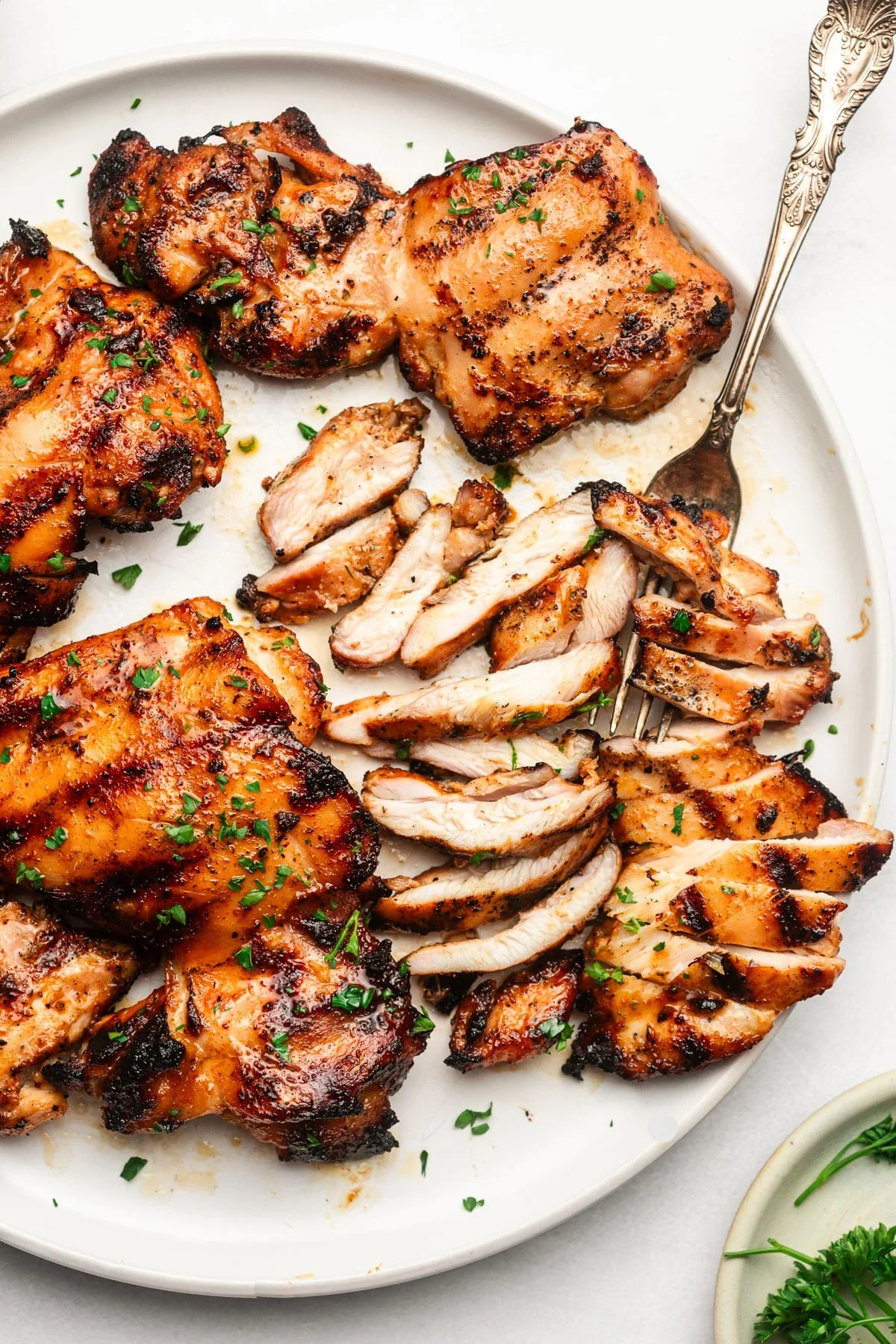
While chicken thighs are flavorful alone, serving them with sauces elevates the dish even more. Tangy chimichurri or a cooling tzatziki sauce can bring freshness and complexity. For a sweet heat balance, a drizzle of honey sriracha glaze or a dollop of spicy mustard works wonders. In one summer cookout, offering a trio of sauces encouraged guests to customize their plates, making the meal interactive and fun.
Conclusion: Achieving Perfectly Grilled Chicken Thighs Every Time
Perfectly grilled chicken thighs are well within reach when you understand the balance between heat, timing, and preparation. From choosing the right cuts to mastering two-zone fires and mindful resting, each step builds toward juicy, flavorful results. Embrace the process with patience—marinate thoughtfully, control your grill’s temperature, and trust your thermometer. With these strategies, you’ll delight guests with tender, crispy chicken that tells a story of care and culinary skill.


