

Understanding Flare-Ups: The Basics
What Causes Flare-Ups When Smoking
Flare-ups occur when fat and juices from meat drip onto hot coals or burners, igniting sudden bursts of flame. These flames can quickly rise and threaten to char the meat unevenly or cause safety hazards. Knowing the origin of flare-ups helps in managing them better. When smoking fatty cuts, the dripping fat acts as fuel for these flames, making flare-ups more frequent and intense compared to leaner meats.
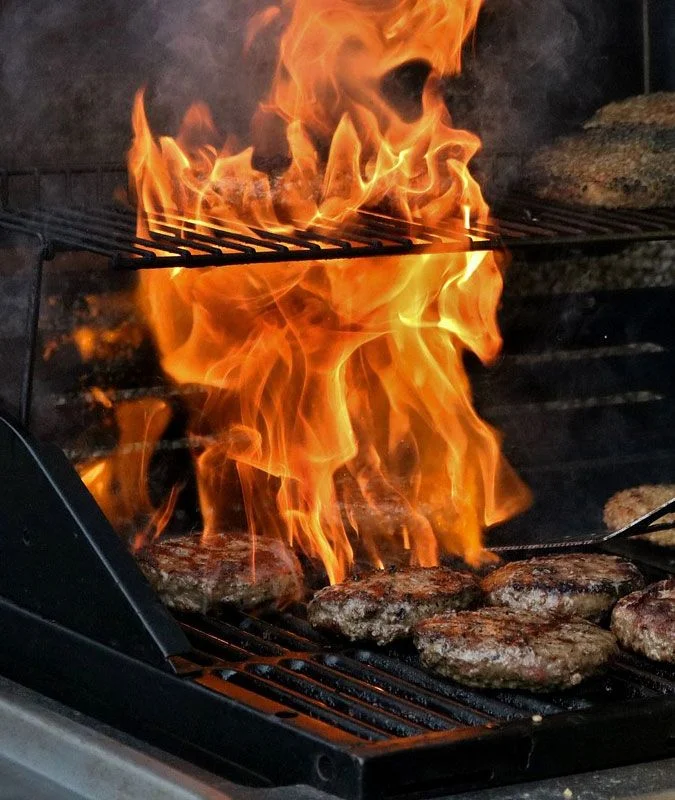
Additionally, flare-ups are influenced by the cooking temperature, the design of the smoker, and how much air reaches the fire. If too much oxygen fuels the fire beneath the meat, flare-ups can grow larger. This explains why controlling airflow and maintaining balanced heat zones are vital in reducing flare-ups during smoking sessions.
The Role of Fat in Flare-Ups
Fat content is a double-edged sword when smoking meat. On one hand, fat contributes to flavor and moisture, making the meat tender and juicy. On the other hand, as fat melts and drips onto the heat source, it can easily ignite, causing flare-ups. The higher the fat content, the more potential fuel for flames you have below your food. This is why fatty cuts demand extra attention and preparation.
Recognizing the fat rendering process is critical. As the internal temperature rises, fat begins to liquefy and drip. Not all drips immediately become flare-ups, but when the fat hits a hot enough surface, it bursts into flames. This interplay between fat melting and flare-ups means smokers must balance heat and fat management to achieve the perfect smoke without risking flare-up damage.
Choosing the Right Fatty Cuts for Smoking
Best Cuts of Meat for Smoking
Some fatty cuts are naturally better suited for smoking due to their fat distribution and fiber structure. Popular options include pork shoulder, beef brisket, and rib cuts. These cuts have enough marbling to stay moist during the long cooking process, while providing flavorful drippings that enhance smoke quality.
Choosing the right cut involves understanding how the fat is layered within the muscle. Well-marbled cuts tend to produce consistent flavor and moisture, whereas overly fatty cuts may increase flare-up risks. Selecting cuts with balanced fat levels ensures that you enjoy rich taste without excessive flame hazards during smoking.
How Fat Content Affects Smoke Quality
The presence of fat influences more than just flare-ups; it plays a key role in developing smoke flavor. As fat renders, it vaporizes and combines with smoke particles, creating complex aromas that enhance the eating experience. However, excessive fat can cause uneven heat distribution and aggressive flare-ups.
Managing fat content properly allows the smoke to permeate the meat evenly. This results in a tender texture and desirable bark on the exterior. Conversely, if fat content is too high without appropriate preparation, it may overwhelm the smoke and ignite flare-ups, negatively impacting the final product.
Preparing Fatty Cuts to Minimize Flare-Ups
Trimming Techniques for Controlled Fat Drip
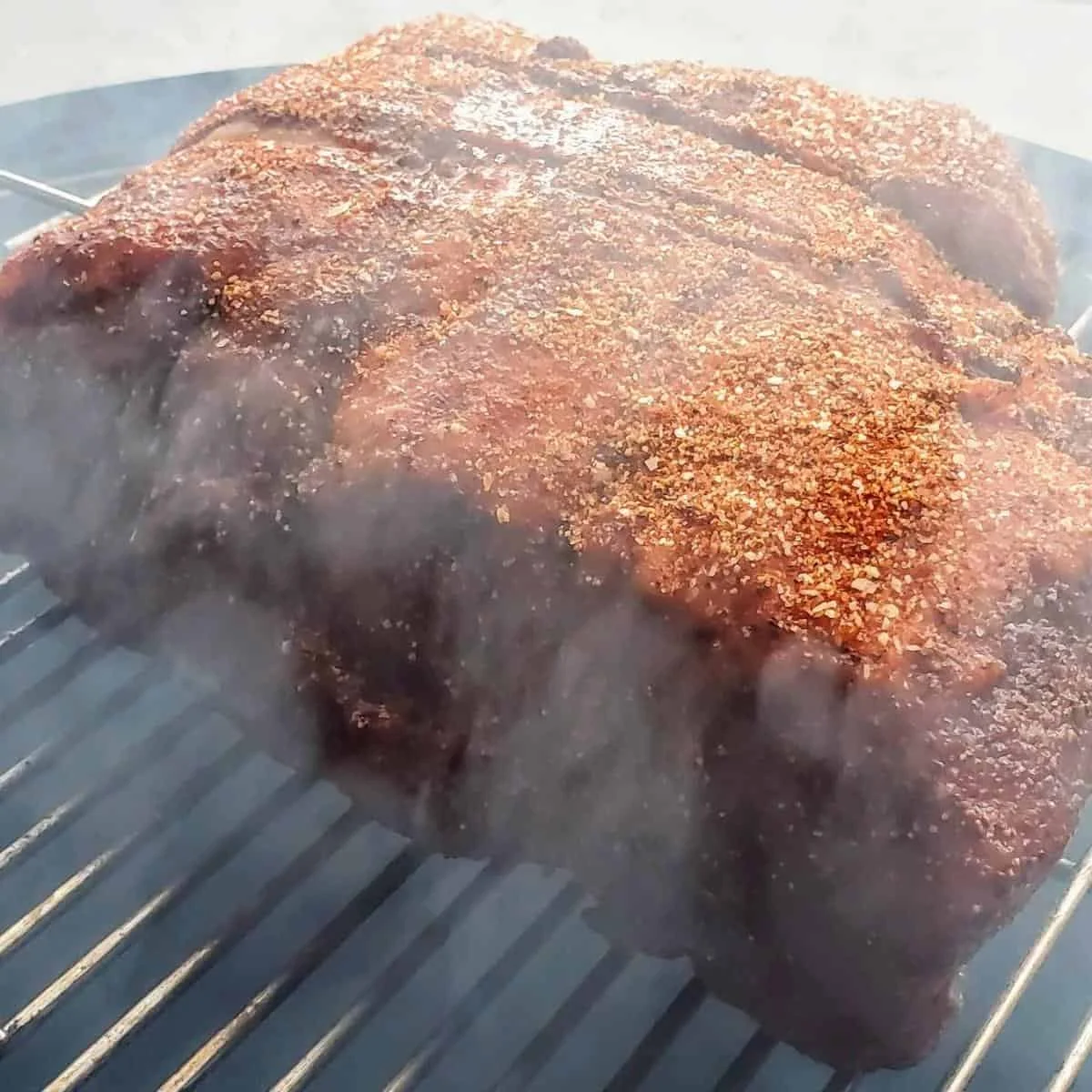
Proper trimming is one of the first and most effective ways to reduce flare-ups. Removing overly thick fat caps or excess loose fat can significantly lessen the amount of dripping that reaches the heat source. Aim to keep a thin, even layer of fat that protects the meat and renders slowly, without saturating the grill with grease.
Carefully trim away the large pockets of fat that may drip uncontrollably, but do not over-trim to the point of drying out your meat. Balanced trimming controls how fat melts and reduces the intensity of flare-ups while still preserving the flavor and moisture benefits fat provides.
Marinades and Rubs That Help Reduce Flare Risks
Some marinades and rubs can influence flare-up potential as well. Avoid applying excessive oil or sugar-based sauces before cooking as they can drip and burn rapidly. Instead, focus on dry rubs that create a flavorful crust without adding too much external fat or sugar.
When marinades are used, it’s best to allow excess liquid to drain and pat the meat dry before smoking. This precaution prevents additional dripping and helps keep flare-ups manageable. Choosing spice rubs containing smoke-enhancing ingredients without sticky sugars helps develop flavor while lowering flare risks.
Setting Up Your Smoker for Success
Optimal Temperature and Airflow Control
Temperature control is paramount. Set your smoker between 225°F and 275°F for ideal smoking conditions that allow fat to render gently without igniting flare-ups. High temperatures can cause fat to vaporize rapidly and increase flare intensity, making careful temperature management essential.
Airflow control complements temperature regulation by adjusting the oxygen supply feeding the fire. Creating a balance between enough oxygen for steady heat and limiting excess airflow prevents flare-ups from growing uncontrollably. Experimenting with vents helps create the right environment to minimize flare risk while maintaining consistent warmth.
Using Water Pans and Heat Deflectors
Incorporating water pans inside the smoker introduces moisture that stabilizes heat and reduces the chance of fat igniting spontaneously. Water absorbs heat and creates a humid environment that slows fat vaporization and flare-ups.
Heat deflectors serve to shield dripping fat from direct contact with flames. By positioning the deflector correctly, the fat drips onto a cooler surface where it can evaporate slowly rather than burst into flames. These tools work together to keep flare-ups under control and promote even cooking.
Smoke Management During Cooking
How to Monitor and React to Flare-Ups
While smoking, constant attention to flare development is necessary. Visual cues like sudden high flames or smoke plumes indicate flare-ups. If flare-ups occur, assess their size and duration before reacting. Small, brief flare-ups may add a desirable sear to certain foods like steak, whereas larger or prolonged ones require intervention.
Stay calm and avoid overreacting. Gently moving the meat away from the direct heat or closing vents slightly can help suffocate flames. Importantly, never throw water on flare-ups, as this can spread grease fires and make conditions worse. Knowing your smoker’s dynamics helps you make informed decisions during flare events.
Tools and Techniques for Flare Control
One effective technique is to create distinct heat zones on your grill or smoker—one for direct high heat and another for indirect low heat. Having an indirect zone allows you to move food quickly if flare-ups become excessive. Keeping a spray bottle with water is generally discouraged because water may worsen flare-ups, but a disposable chimney starter or a metal spatula can help manage fat flare.
Always have a fire extinguisher nearby for safety, even if you anticipate rare events. Practicing measured responses and learning how your grill reacts under different conditions builds confidence and control over flare-ups as you smoke fatty cuts.
Post-Smoking Care to Enhance Flavor
Resting the Meat to Retain Juices
After smoking, resting meat is crucial to allow juices to redistribute evenly, enhancing tenderness and flavor. Wrap the meat loosely in foil and let it rest for 20 to 30 minutes. This step avoids immediate juice loss when cutting, especially important for fatty cuts which can appear greasy if handled prematurely.
Resting also reduces the chance of residual flare-up smells clinging to your meat. Proper rest ensures the final product achieves a consistent texture and enjoyable mouthfeel, maximizing the benefits of your controlled smoking process.
Handling Leftovers to Avoid Smell and Grease
Leftover smoked fatty meat can leave strong odors and greasy residue that might affect storage areas. To minimize this, store leftovers in airtight containers and refrigerate promptly. Avoid letting grease build up in trays or containers where it could become rancid or cause unpleasant smells.
Cleaning your smoker thoroughly after use removes residual fat that can ignite during subsequent cooking sessions. This post-smoking care preserves the quality of both your meat and equipment, setting you up for safer and more flavorful future smokes.


