

Understanding the Causes of Yellowing Leaves in Indoor Vegetable Gardens
Common Nutrient Deficiencies Affecting Leaf Color
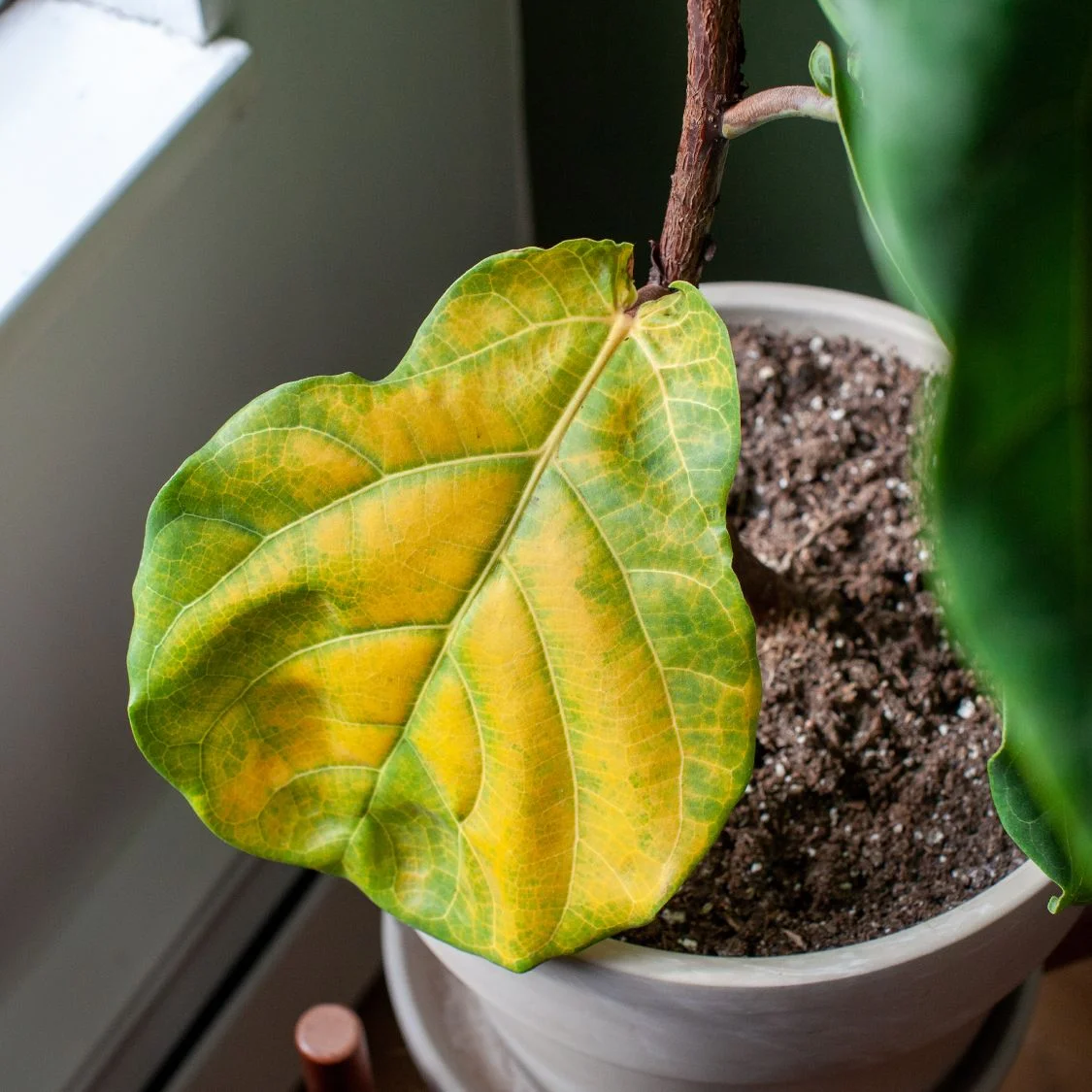
One of the primary reasons for yellowing leaves in indoor vegetable gardens is a lack of essential nutrients. When plants do not receive sufficient nitrogen, magnesium, or iron, their leaves often turn yellow, signaling distress. Nitrogen deficiency typically causes older leaves to yellow first as the plant reallocates nutrients to new growth. Magnesium deficiency might show as yellowing between leaf veins, while iron deficiency tends to affect young leaves, causing them to turn pale or yellow with green veins remaining distinct. Understanding which leaves yellow first and the pattern of yellowing can help pinpoint the exact nutrient imbalance causing the problem.
Environmental Stressors Leading to Yellow Leaves
Environmental conditions play a crucial role in the health of indoor vegetable plants. Improper light levels, either too intense or insufficient, can stress plants, leading to yellow foliage. Temperature extremes, both hot and cold, can disrupt nutrient uptake and metabolic processes, causing leaves to lose their vibrant green color. Additionally, inconsistent watering practices, such as overwatering or drought conditions, impose stress on plants, promoting yellowing as they struggle to maintain normal function. Identifying these stressors early can prevent further damage to the garden.
Pests and Diseases That Trigger Yellowing
Pests like aphids, spider mites, and whiteflies feed on plant sap, weakening the leaves and resulting in yellow discoloration. These insects may also introduce viruses or facilitate fungal infections that worsen leaf health. Fungal diseases such as root rot and powdery mildew compromise root function and leaf surface integrity, which can manifest as yellow leaves. Recognizing the signs of pest infestations or fungal presence is critical in stopping the yellowing process before plants sustain irreversible damage.
Step-by-Step Diagnostic Guide for Yellowing Leaves
Inspecting Plant Health and Growth Conditions
Start by closely observing your plants for any visible signs of distress beyond yellowing leaves. Check if new growth appears weak or stunted, which might indicate internal issues. Examine the texture and firmness of the leaves to determine if they feel dry or soft. Also, remove the plant gently from its container to inspect the roots; healthy roots should be whitish-yellow and firm, whereas dark, foul-smelling roots often indicate rot or damage from compaction. Understanding the physical condition of both roots and leaves provides a clearer picture of the garden’s overall health.
Testing Soil and Water Quality at Home
To evaluate if soil conditions contribute to leaf yellowing, perform a simple moisture check. Use the ‘finger test’ by inserting your index finger a few inches into the soil; if it feels dry, your plants might be underwatered, and if it’s soggy, overwatering could be the culprit. For more precise results, moisture meters are excellent tools to assess soil humidity levels. Additionally, consider testing the water quality, as high chlorine or inappropriate pH levels can hinder nutrient absorption. Addressing these factors ensures that plants receive the proper hydration and soil environment they need to thrive.
Identifying Pest Infestations and Fungal Issues
Carefully inspect all plant surfaces, especially the undersides of leaves, for small insects, webs, or sticky residues that signal pest activity. Use a magnifying glass if necessary to detect tiny pests like spider mites. Signs of fungal infection may include powdery or downy mildew, irregular spots, or wilting. If pests or fungi are present, isolate affected plants to prevent spread. Early detection is the key to managing infestations and diseases effectively without extensive damage.
Effective Treatment Methods to Revive Yellow Leaves
Adjusting Nutrient Supply for Optimal Plant Health
Once a nutrient deficiency is identified, tailor your fertilization practices to replenish the lacking elements. Use balanced, water-soluble fertilizers with appropriate nitrogen, magnesium, or iron content based on the specific deficiency. Avoid over-fertilization, which can further harm plants. In some cases, foliar feeding—applying liquid nutrients directly to leaves—can provide a rapid nutrient boost. Ensuring your indoor garden has a steady nutrient supply restores leaf color and encourages robust growth.
Correcting Watering Practices to Prevent Stress
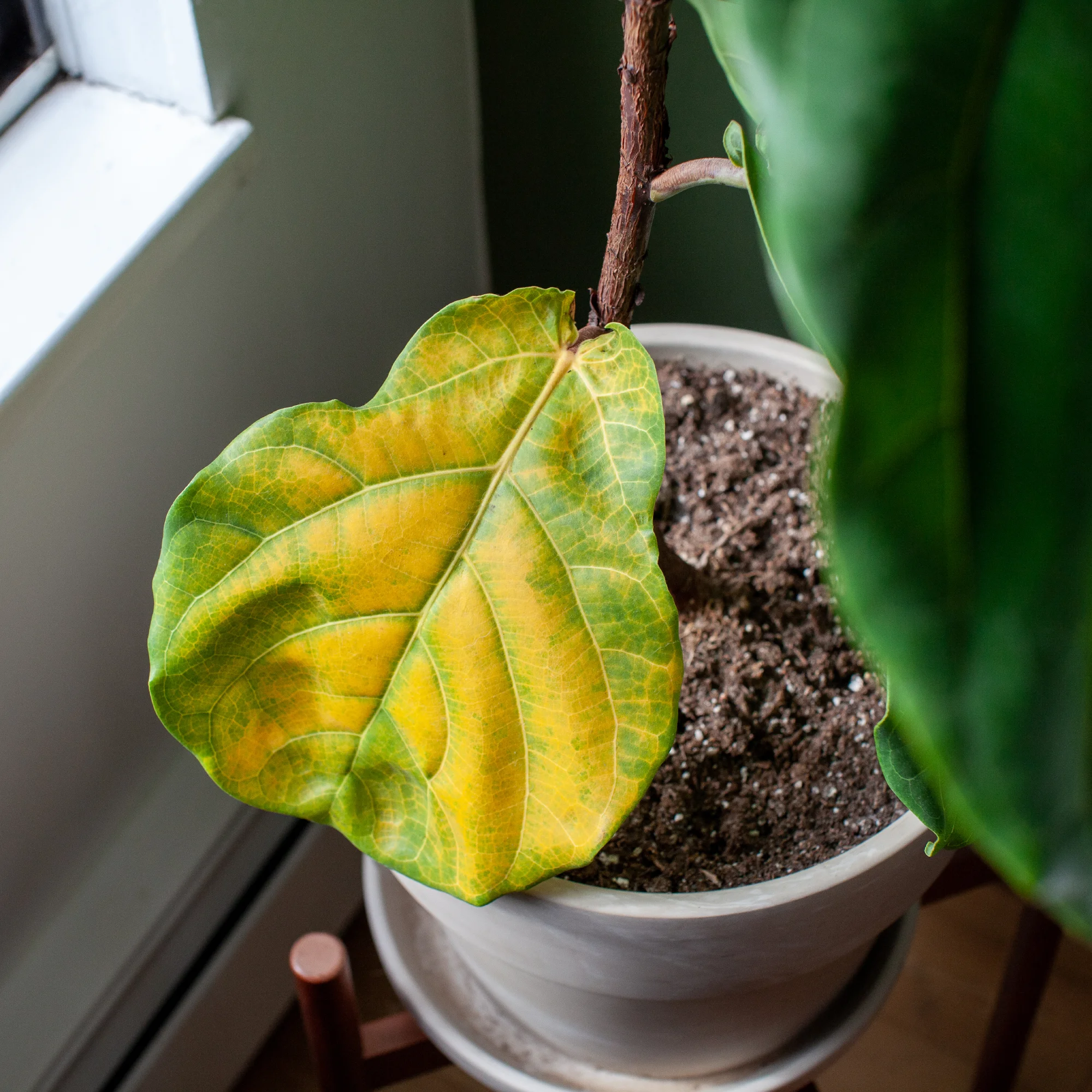
Reevaluating watering routines is essential when yellowing results from overwatering or underwatering. Apply the ‘finger test’ regularly to determine soil moisture before watering, preventing excess or insufficient hydration. In container gardens, ensure pots have adequate drainage to avoid water accumulation that leads to root rot. Consistent watering schedules aligned with your plants’ needs reduce environmental stress, allowing leaves to regain their healthy green color.
Eco-Friendly Pest and Disease Management
To combat pests and diseases without harming your indoor garden ecosystem, opt for natural remedies. Introducing beneficial insects such as ladybugs can help control aphids, while neem oil or insecticidal soaps provide effective organic pest control. For fungal issues, improve air circulation around plants and apply organic fungicides as needed. Maintaining a clean growing environment and promptly addressing infestations limits yellowing caused by biotic stress factors and supports healthy foliage recovery.
Preventive Measures for Maintaining Leaf Vibrancy
Ideal Light and Temperature Settings
Maintaining appropriate light and temperature conditions is fundamental for sustaining vibrant leaves. Most indoor vegetables thrive in bright, indirect light for at least six hours daily. LED grow lights can supplement natural light when necessary. Keep temperatures stable, avoiding abrupt changes or drafts, aiming for a range that suits your specific plant varieties. Proper environmental control minimizes stress and reduces the likelihood of yellowing.
Proper Soil Mix and Fertilizer Schedules
Using a well-draining, nutrient-rich soil mix tailored for vegetables promotes root health and optimal nutrient uptake. Incorporate organic matter such as compost to improve moisture retention and fertility. Establish a regular, balanced fertilization schedule to replenish soil nutrients, adapting the frequency and composition as plants grow. Consistent soil care prevents nutrient deficiencies that cause yellowing leaves.
Regular Monitoring and Maintenance Routines
Routine observation and upkeep are vital to catch potential issues early. Regularly perform moisture checks, inspect for pests, prune damaged leaves, and remove debris that may harbor pathogens. Keeping detailed notes of your garden’s condition helps identify patterns or recurring problems. This proactive approach sustains leaf vibrancy and overall plant health in your indoor vegetable garden.


