

Understanding Microbreaks: Definition and Benefits
What Are Microbreaks?
Many people struggle with maintaining productivity during long work hours because they neglect to take short, intentional pauses. These short pauses, known as microbreaks, are brief intervals typically lasting from a few seconds up to five minutes. Unlike traditional extended breaks, microbreaks are meant to be frequent and strategically positioned throughout the workday to provide momentary relief from continuous tasks. Without understanding microbreaks, workers may overlook how small moments of rest can profoundly impact their overall performance and well-being.
Scientific Evidence Supporting Microbreaks
The problem with extended periods of uninterrupted work is a decline in cognitive function and physical discomfort, both of which reduce productivity. Scientific studies have shown that microbreaks help combat this decline by allowing the brain and body to reset. Research from cognitive psychology and ergonomics highlights that taking brief breaks after focused intervals improves concentration and helps prevent mental fatigue. These findings provide a clear cause-effect relationship: without breaks, mental sharpness wanes, but integrating microbreaks enhances sustained attention and efficiency.
Psychological and Physical Advantages
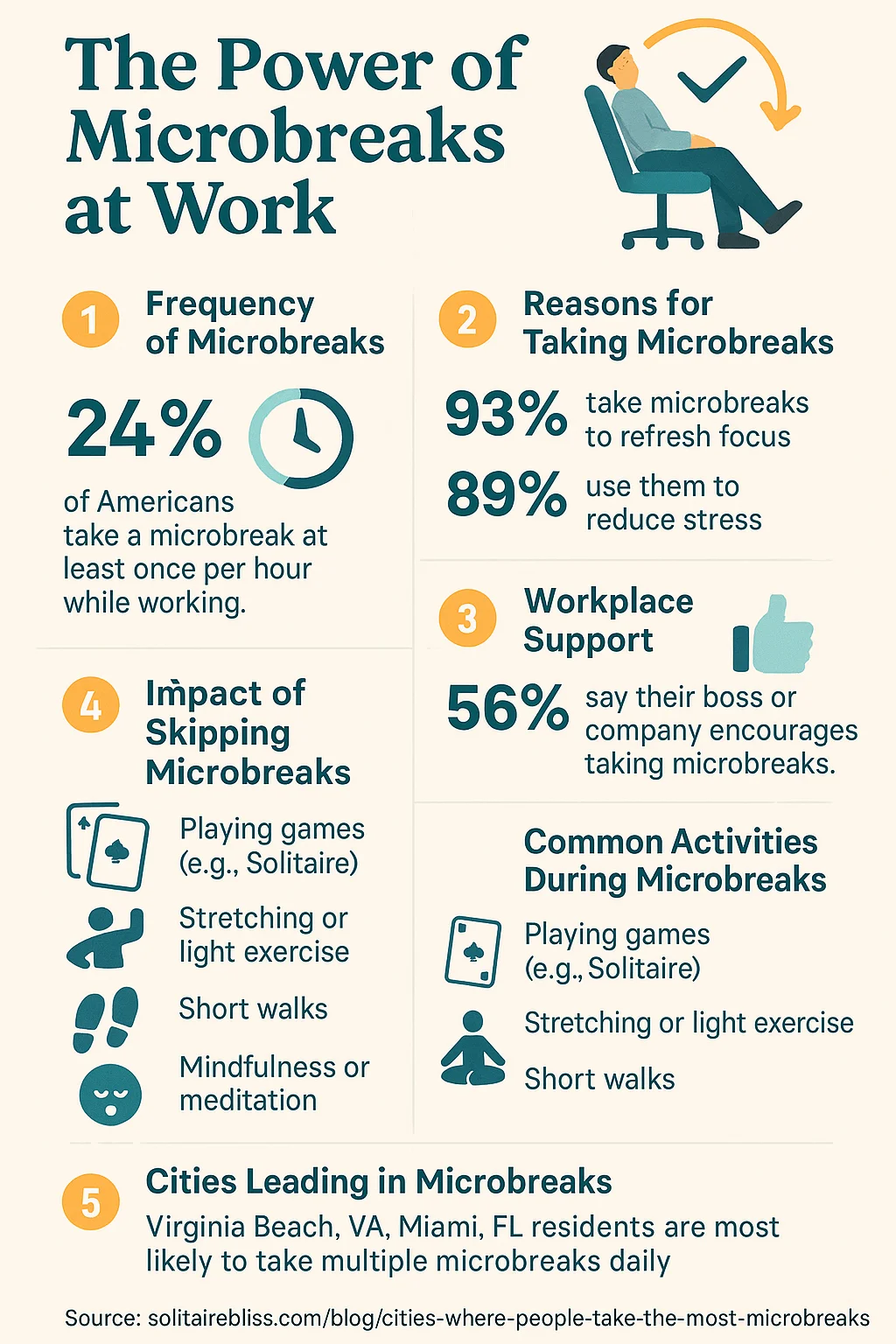
The negative consequences of prolonged sitting and continuous cognitive exertion often manifest as muscle tension, eye strain, and mood dips. These symptoms indicate a breakdown in both physical comfort and emotional resilience, which subtly erode the quality of work over time. By introducing microbreaks, individuals gain physical relief through movement and psychological uplift by shifting mental focus. The result is an improvement not only in productivity but also in job satisfaction and mental health. This holistic benefit explains why microbreaks are a vital practice for maintaining energy and creativity throughout long work hours.
Identifying the Need for Microbreaks in Your Workday
Signs You’re Overworking Without Breaks
Many workers fail to recognize when they are pushing too hard without taking microbreaks. Common signs include persistent fatigue, difficulty concentrating, irritability, and a noticeable drop in work quality. These symptoms signal cognitive overload and physical strain, resulting from continuous work without sufficient rest. Ignoring them exacerbates the risk of burnout and reduces overall productivity, making it essential to acknowledge these warning signs early and address them through appropriate microbreak strategies.
How Microbreaks Impact Focus and Energy Levels
The problem with ignoring the need for microbreaks is a sharp decline in both mental focus and physical energy as the workday progresses. Continuous work leads to cognitive depletion, making tasks feel more challenging and less engaging. Introducing microbreaks counters this effect by providing brief moments to recharge, which helps restore concentration and renew stamina. By regularly stepping away from work—even briefly—the brain sustains its capacity for high-level functioning, allowing individuals to maintain steady productivity and improved energy throughout long hours.
Techniques for Integrating Microbreaks into Long Hours
Time Management Strategies: Pomodoro and Beyond
One common obstacle to taking microbreaks is the feeling that stopping work interrupts momentum or wastes time. This stems from a rigid work approach that favors continuous output over mental sustainability. Time management tools like the Pomodoro Technique address this by structuring work into focused intervals followed by short breaks. This method promotes natural opportunities for microbreaks, preventing burnout and maintaining engagement. Beyond Pomodoro, other techniques encourage customizing break frequency and duration based on personal productivity rhythms, solving the challenge of fitting breaks seamlessly into busier schedules.
Examples of Effective Microbreak Activities
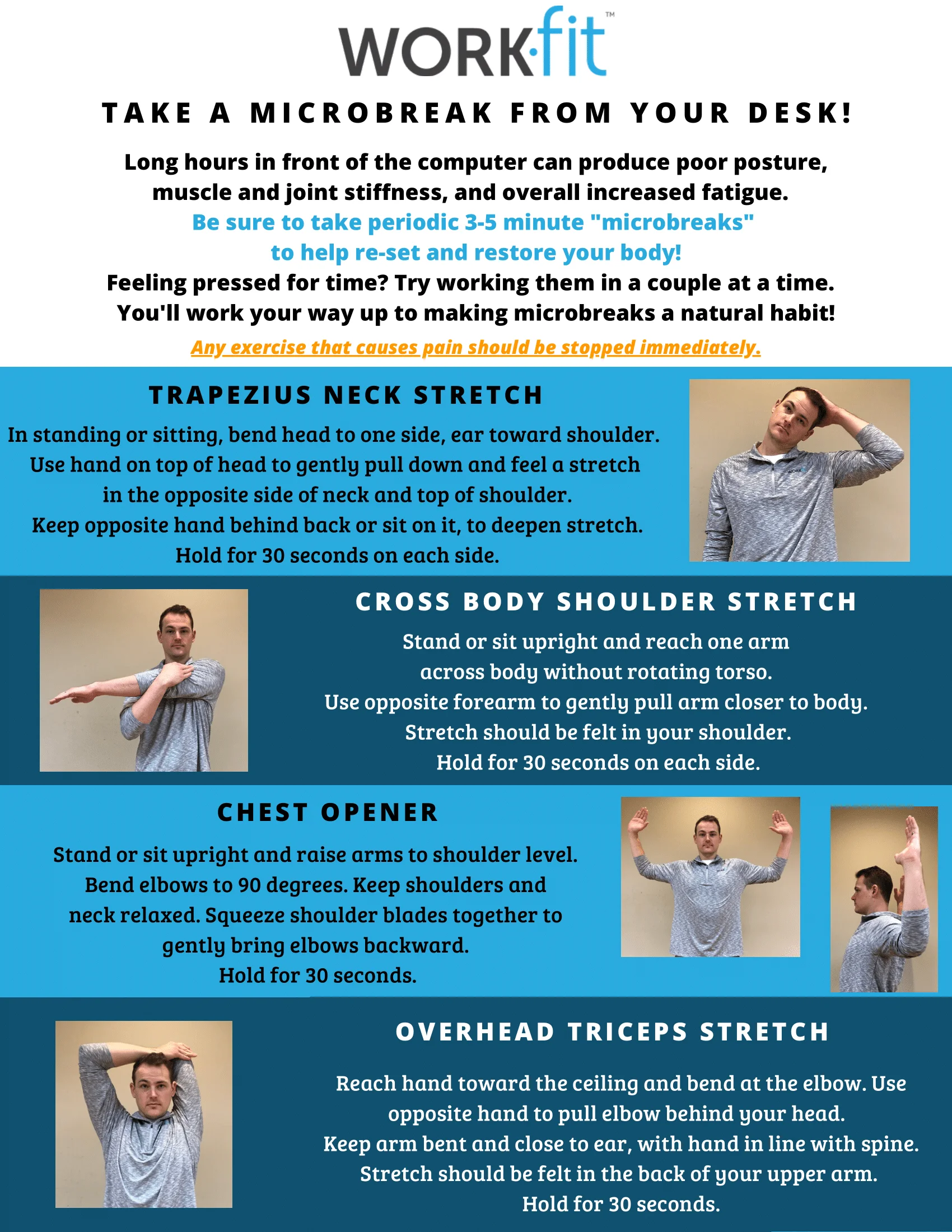
Even with scheduled breaks, the challenge remains how to use microbreaks effectively. Many default to passive activities such as scrolling on a phone, which can fail to rejuvenate focus. Instead, effective microbreaks involve light physical movement, like stretching or short walks, which counteract muscle tension and promote circulation. Additionally, deliberately shifting mental focus to unrelated subjects encourages creative thinking. Simple practices like deep breathing, appreciating the environment, or engaging in positive conversations can uplift mood and create a refreshing mental reset, ensuring the break serves its intended purpose.
Customizing Microbreaks to Different Work Environments
Office-Based Workers
For office workers, the challenge often involves prolonged sitting and repetitive tasks, which cause physical discomfort and cognitive strain. Ignoring microbreaks in this environment can lead to reduced circulation and musculoskeletal issues. Tailoring microbreaks here means prioritizing physical activity during short pauses, such as standing up, stretching, or walking briefly around the office. Additionally, utilizing breaks for casual social interactions can relieve mental tension and foster a positive work atmosphere, directly addressing physical and psychological risks linked to extended office work.
Remote and Home-Based Professionals
Remote workers often face the difficulty of blurring boundaries between work and personal life, making it easy to skip breaks or extend work hours unintentionally. This lack of structure causes overexertion without clear rest points. The solution lies in consciously scheduling microbreaks during the day to break this pattern. Remote professionals can benefit from physically stepping away from screens, changing environments briefly, or practicing mindfulness exercises. These actions invigorate focus and prevent the lethargy that can result from an isolated work setup.
Physical vs. Mental Work Settings
Different types of work demand tailored microbreak strategies. Physical jobs stress the body and require microbreaks aimed at muscle relaxation and injury prevention, such as light stretching or posture shifts. Conversely, mentally intensive tasks cause cognitive fatigue that microbreaks can counter by diverting attention to non-work-related activities or engaging in brief physical movement. Understanding the specific demands of one’s work ensures microbreaks are customized effectively to sustain both physical health and mental clarity.
Tools and Apps That Facilitate Microbreaks
Break Reminder Applications
A common reason people skip microbreaks is simply forgetting to take them. Break reminder apps solve this by automatically signaling when it’s time to pause. These applications can be customized to suit individual work patterns and remind users to step away from their desks periodically. By using technology to prompt breaks, workers are more likely to develop consistent habits that counteract fatigue and promote sustained productivity.
Wearable Tech for Health Monitoring
Wearable devices offer another solution by tracking health indicators such as posture, heart rate, and movement levels during work. When signs of strain or inactivity are detected, these devices can prompt the wearer to take a microbreak. This real-time feedback helps users become more aware of their physical state and creates personalized opportunities to intervene before discomfort or cognitive decline sets in. Incorporating wearable technology into microbreak strategies enhances both awareness and adherence.
Case Studies: Success Stories of Microbreak Implementation
Corporate Case Study: Boosting Team Productivity
Many organizations face the challenge of maintaining high productivity while preventing employee burnout. One corporate example involved introducing a microbreak policy encouraging employees to take short breaks after 90 to 120 minutes of focused work. Leaders actively participated, signaling the importance of these pauses. This support fostered a culture where microbreaks became normalized rather than viewed as interruptions. The result was measurable improvements in team productivity, job satisfaction, and overall well-being, demonstrating how organizational backing is crucial for successful microbreak integration.
Individual Perspectives on Microbreak Effectiveness
On a personal level, workers who adopted microbreaks have reported enhanced concentration and energy levels throughout their workdays. Individuals noticed that microbreaks allowed them to reduce muscle tension, uplift their moods through short social interactions or mindfulness, and return to tasks with renewed focus. These firsthand accounts reveal how microbreaks serve as practical tools for managing long work hours, illustrating the tangible benefits when chosen activities align with personal needs and work demands.
Conclusion: Maximizing Productivity Through Mindful Microbreaks
Many workers unknowingly compromise productivity by pushing through long hours without adequate rest. The core problem lies in underestimating the adverse effects of continuous work on both the mind and body. Scientific evidence confirms that integrating frequent microbreaks addresses these issues by enhancing concentration, reducing physical strain, and boosting mood. To maximize productivity, individuals and organizations must embrace mindful microbreak practices tailored to their specific environments and workloads. By doing so, they not only sustain high performance but also promote lasting health and well-being during extended work periods.


