

Introduction to Vegetarian Protein Salads
Why Protein Matters in Vegetarian Meals
Protein is a vital nutrient that supports muscle repair, immune function, and overall energy levels. In vegetarian diets, obtaining adequate protein can sometimes be challenging, but it is essential for maintaining health and satiety. Incorporating protein into meals ensures balanced nutrition, especially when relying on plant-based sources.
Benefits of Protein-Rich Salads for Satiety
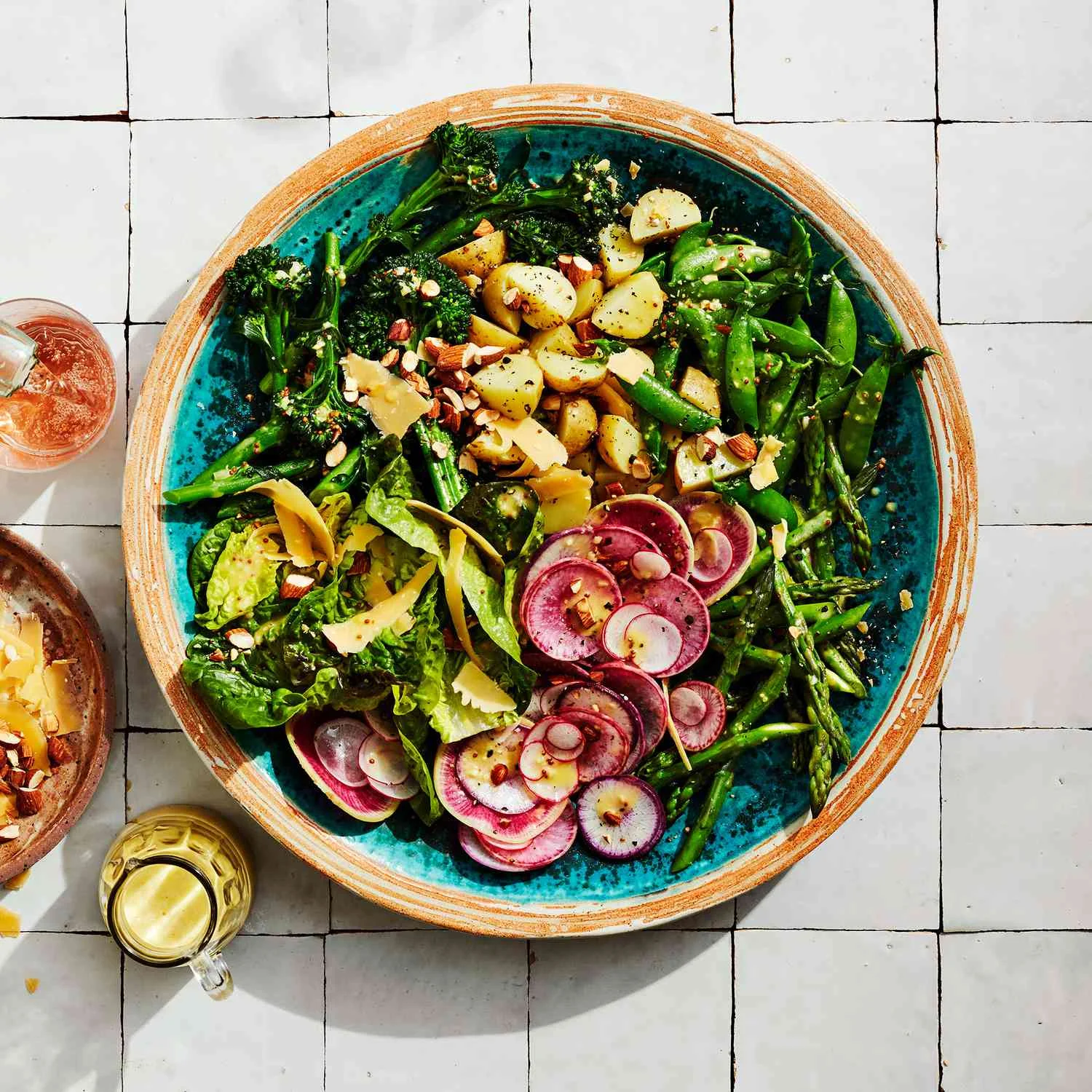
Protein-rich salads help keep hunger at bay by promoting a feeling of fullness for longer periods. These salads slow digestion and stabilize blood sugar levels, reducing cravings and unnecessary snacking. By combining protein with fiber and healthy fats, they offer a satisfying meal that can easily replace heavier lunch options.
Top Plant-Based Protein Ingredients for Salads
Legumes and Beans
Legumes and beans like chickpeas, black beans, lentils, and kidney beans are excellent sources of protein and fiber. They add a hearty texture to salads while boosting nutritional value. Including these ingredients ensures a substantial protein content with the added benefit of complex carbohydrates.
Nuts and Seeds
Nuts and seeds contribute both protein and healthy fats, enhancing flavor and mouthfeel. Almonds, walnuts, pumpkin seeds, and chia seeds are popular choices. These ingredients also provide essential micronutrients such as magnesium and vitamin E, supporting overall health.
Grains and Pseudograins
Quinoa, farro, bulgur, and amaranth are grains and pseudograins rich in protein and other nutrients. Quinoa, for instance, is a complete protein containing all nine essential amino acids. Adding cooked grains to salads increases bulk and nutritional diversity, making meals more satisfying.
Tofu, Tempeh, and Other Soy Products
Soy products like tofu and tempeh are versatile protein sources that easily absorb flavors. They bring a dense protein punch and can be grilled, baked, or marinated before mixing into salads. These ingredients also offer beneficial isoflavones known for their antioxidant properties.
Creative Vegetarian Protein Salad Recipes
Quinoa and Chickpea Power Salad
This salad combines fluffy quinoa with protein-packed chickpeas, fresh herbs, and crunchy vegetables. Tossed in a lemon-tahini dressing, it delivers a creamy texture and vibrant taste. The mix of legumes and grains ensures long-lasting energy and fullness.
Black Bean and Avocado Fiesta Salad
Black beans bring robust protein to this colorful salad, paired with creamy avocado and crisp bell peppers. Lime juice and cumin seasoning add a zesty touch. The healthy fats from avocado complement the protein content for balanced nutrition.
Edamame and Kale Protein Bowl
Edamame beans combined with nutrient-dense kale create a green power bowl rich in protein and antioxidants. Adding toasted sesame seeds and a ginger-soy dressing enhances flavor complexity, while maintaining a light, fresh profile.
Lentil and Roasted Vegetable Salad with Tahini Dressing
Roasted seasonal vegetables mix with earthy lentils in this hearty salad. A smooth tahini dressing adds richness and depth. Lentils offer a substantial protein source, and the warm vegetables bring comforting flavors suitable year-round.
Tips to Maximize Fullness and Nutrient Absorption
Combining Protein with Fiber and Healthy Fats
Pairing protein with fiber-rich vegetables and healthy fats slows digestion and increases satiety. Fiber from leafy greens or crunchy vegetables helps regulate digestion. Healthy fats from nuts, seeds, or avocado enhance nutrient absorption and provide sustained energy.
Best Dressings to Enhance Flavor and Health
Dressings made with olive oil, lemon juice, tahini, or yogurt add flavor without unnecessary calories. They can complement protein ingredients while boosting the salad’s nutrient profile. Avoid creamy dressings high in sugar or unhealthy fats to keep meals light and healthful.
Seasonal Variations and Meal Prep Ideas
Spring and Summer Protein Salad Options
In warmer months, focus on fresh produce such as tomatoes, cucumbers, and herbs. Light grains and chilled beans make refreshing protein salads perfect for hot days. Incorporate seasonal fruits like strawberries or peas for a sweet, vibrant contrast.
Fall and Winter Adaptations
During colder seasons, roasted root vegetables and warm grains like farro or barley add comfort and flavor. Use lentils, kale, and roasted squash to create substantial salads that keep you warm and nourished. Heavier proteins like tempeh can replace lighter options.
Batch Cooking Tips for Busy Schedules
Preparing protein bases such as cooked beans, grains, or roasted vegetables in advance saves time. Store components separately and assemble salads just before eating to maintain freshness. Use airtight containers and refrigerate to extend shelf life and ensure easy, healthy meals throughout the week.


