

Mastering Winter Style: The Art of Layering
Why Layering is Essential for Unpredictable Weather
Winter weather can be notoriously unpredictable, fluctuating between freezing cold, damp snow, and occasional sunny spells. Mastering the art of layering allows you to adapt quickly to these changes without sacrificing comfort or style. By wearing several clothing layers, each serving a specific function, you can regulate your body temperature more efficiently. This approach not only prevents overheating but also protects you from chilly winds or sudden drops in temperature, making your winter experience more enjoyable.
Understanding Fabric Types for Effective Layers
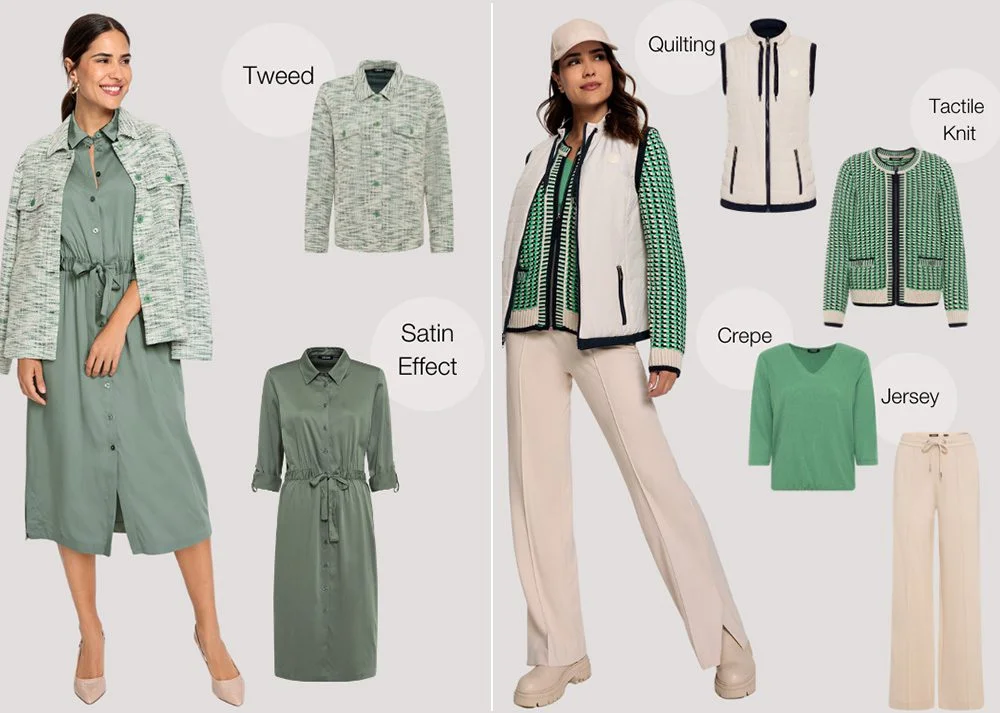
Selecting the right fabrics is crucial for effective layering. Natural fibers like wool and cashmere provide excellent insulation while remaining breathable, helping to keep you warm without causing excessive sweating. Synthetic materials such as polyester and nylon are often used in base layers for their moisture-wicking properties, pulling sweat away from the skin. Combining these fabrics thoughtfully ensures each layer performs its role, whether it is moisture management, insulation, or weather protection.
Key Principles of Layering: Warmth, Comfort, and Style
The key to successful layering lies in balancing warmth, comfort, and style. Start with a snug base layer that draws moisture away from your skin, followed by a mid-layer that traps heat, and finally an outer layer that shields you from wind and precipitation. Equally important is comfort; layers should allow free movement and not feel too bulky. Lastly, fashion doesn’t have to be sacrificed. By experimenting with layering different textures, colors, and patterns, you can create dynamic winter looks that express your personal style.
Building Your Winter Wardrobe: Essential Pieces for Layering
Base Layers: Choosing the Right Materials
Base layers are the foundation of any layered outfit and need to be both functional and comfortable. Materials like merino wool and synthetic blends excel here due to their moisture-wicking and insulating properties. Since base layers are worn next to the skin, their fit should be close but not restrictive. Opting for neutral or subtle colors will also allow for easy coordination with other layers.
Mid Layers: Functional and Fashionable Options
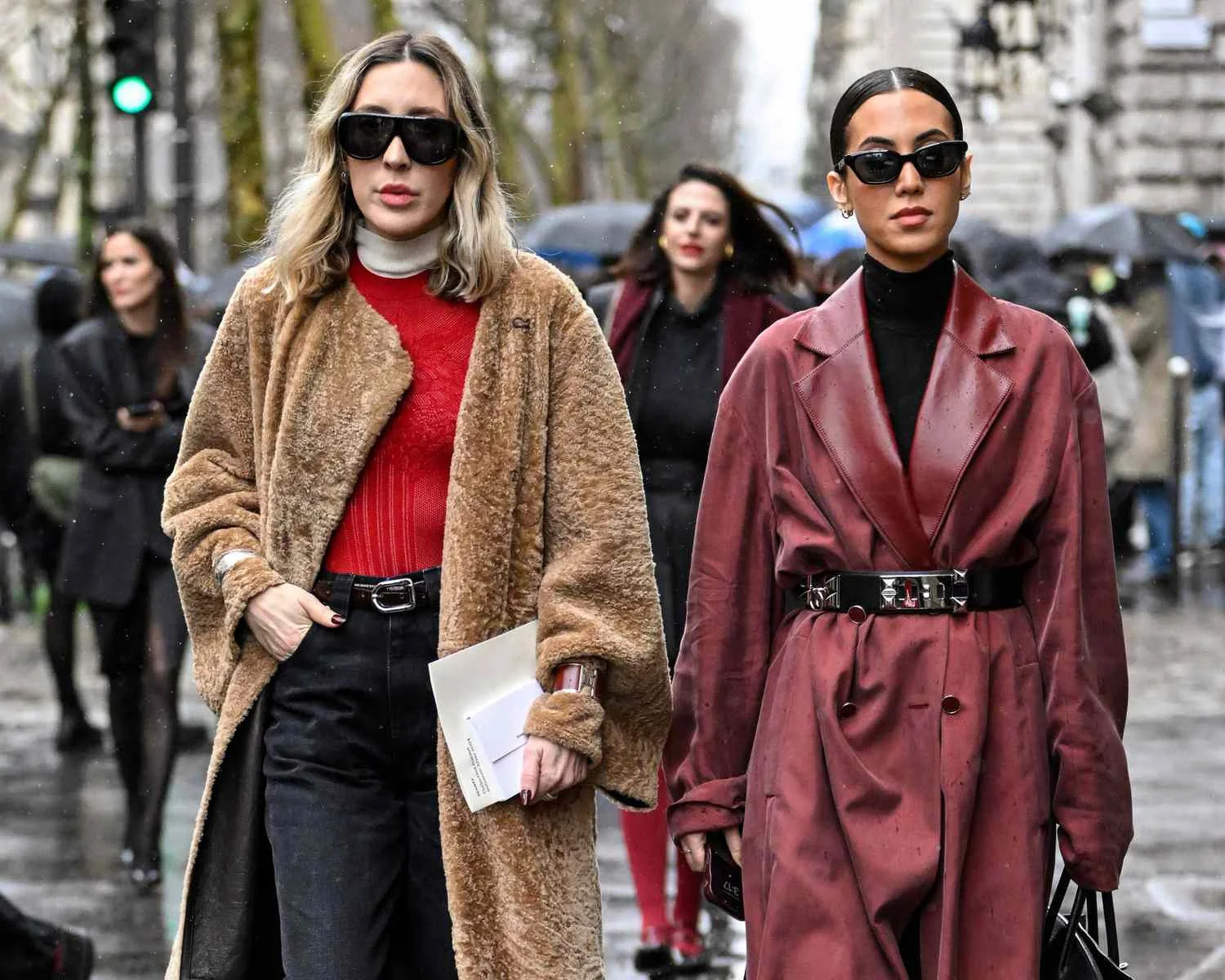
The mid-layer’s role is to trap body heat and add visual interest. Sweaters made from cashmere, wool, or fleece offer warmth without excessive weight. For a fashionable twist, you might add a pop-of-color knit beneath a suede jacket, which provides both texture and contrast. Flannel shirts layered under cashmere sweaters also add versatility and color depth, making your outfit standout while enhancing insulation.
Outer Layers: Protection Against Wind and Moisture
Outer layers must guard against elements like wind, rain, and snow. Trench coats, leather bomber jackets, oversized coats, or statement pieces like a houndstooth coat are excellent choices. Layering a trench coat over a cashmere sweater and a flannel shirt combines warmth and adaptability, creating a polished yet practical look. For more rugged conditions, insulated jackets or fur coats layered over denim and overshirts provide superior protection while maintaining style.
Accessories That Complete Your Layered Look
No winter layering strategy is complete without thoughtful accessories. Scarves, hats, gloves, and insulated water bottles not only enhance comfort but also contribute to your visual ensemble. For example, capes over slim-fit turtlenecks offer a chic monochrome silhouette, and patterned scarves can provide a playful touch without adding bulk. Accessories often serve as the final detail that pulls your entire layered outfit together.
Practical Layering Strategies for Different Winter Scenarios
Layering for Outdoor Activities: Hiking, Commuting, and More
When layering for outdoor activities, consider the intensity and duration of your activity. Start with a thermal layer underneath your warmest sweater and pair it with a lightweight jacket for flexibility. It’s important to begin your adventure feeling slightly chilly, as this helps avoid overdressing and overheating. Carry extra layers in your pack for breaks or sudden weather shifts. Slowing your pace and taking more frequent breaks can help manage body temperature during exertion. Additionally, consuming small amounts of food hourly and using insulated bottles prevents your energy and hydration levels from dropping.
Office-Appropriate Layering Tips
Layering for the office requires a balance between professionalism and warmth. Piece combinations such as a striped button-down shirt beneath a cashmere sweater, topped with a vintage leather jacket, allow for practicality without compromising style. Alternatively, placing a statement coat like a houndstooth pattern over suiting can inject personality while maintaining a polished appearance. You can also mix patterns like leopard print with blazers and striped tees for contrast, adding a modern edge to traditional office wear.
Transitioning Between Indoor and Outdoor Spaces
Moving between cold outdoors and heated indoors can challenge your layering choices. Opt for layers that are easy to shed or add on, such as lightweight jackets over chunky polos or men’s-inspired knitted shirts. Oversized coats can be removed quickly if indoors, revealing stylish mid-layers underneath. Capes or artfully draped tops offer chic options that remain comfortable when indoors. This layering flexibility ensures you stay comfortable without sacrificing style throughout the day.
Expert Tips to Stay Stylish While Layering
Mixing Textures and Colors Creatively
To elevate your layering game, experiment with combining different textures like suede, leather, wool, and knitwear. Mixing these materials adds depth and intrigue to your outfit. Colors also play a pivotal role; for instance, layering pop-of-color knits beneath neutral outerwear creates a striking contrast that enlivens the ensemble. Don’t hesitate to incorporate patterns such as stripes or leopard print alongside solid pieces for visual interest and dimension.
Balancing Bulkiness with Silhouette
Layering can sometimes add unwanted bulk, so it’s important to manage proportions carefully. Pair oversized coats with slimmer base and mid-layers to retain a flattering silhouette. Using fitted turtlenecks or jersey tees underneath capes can create a streamlined effect despite multiple layers. Rolling or cuffing jeans when wearing vintage jackets helps maintain balance and prevents the look from appearing too heavy or shapeless. Thoughtful layering maintains both function and fashion.
Adjusting Layers Throughout the Day
Winter layering is dynamic; your outfit should adapt throughout the day as you move between different temperatures and activity levels. Carry extra layers in a bag or pack so you can add or remove pieces as needed. If you begin feeling overheated, slow down your pace and take shorter, more frequent breaks to cool down gradually. By continuously adjusting your layers, you maintain comfort and preserve your style from morning until evening.


