

Understanding the Basics of BBQ Sauce Storage
Why Proper Storage Matters for Homemade BBQ Sauce
Imagine you’ve just spent an afternoon crafting a rich, tangy homemade BBQ sauce from scratch. The blend of smoky spices, vinegar, and sweetness is perfect. But what if, a week later, the sauce smells off or has mold on the surface? Proper storage is crucial to preserving the fresh flavors and ensuring the sauce remains safe to consume. Homemade sauces lack the preservatives found in store-bought versions, making them more vulnerable to spoilage if stored incorrectly.
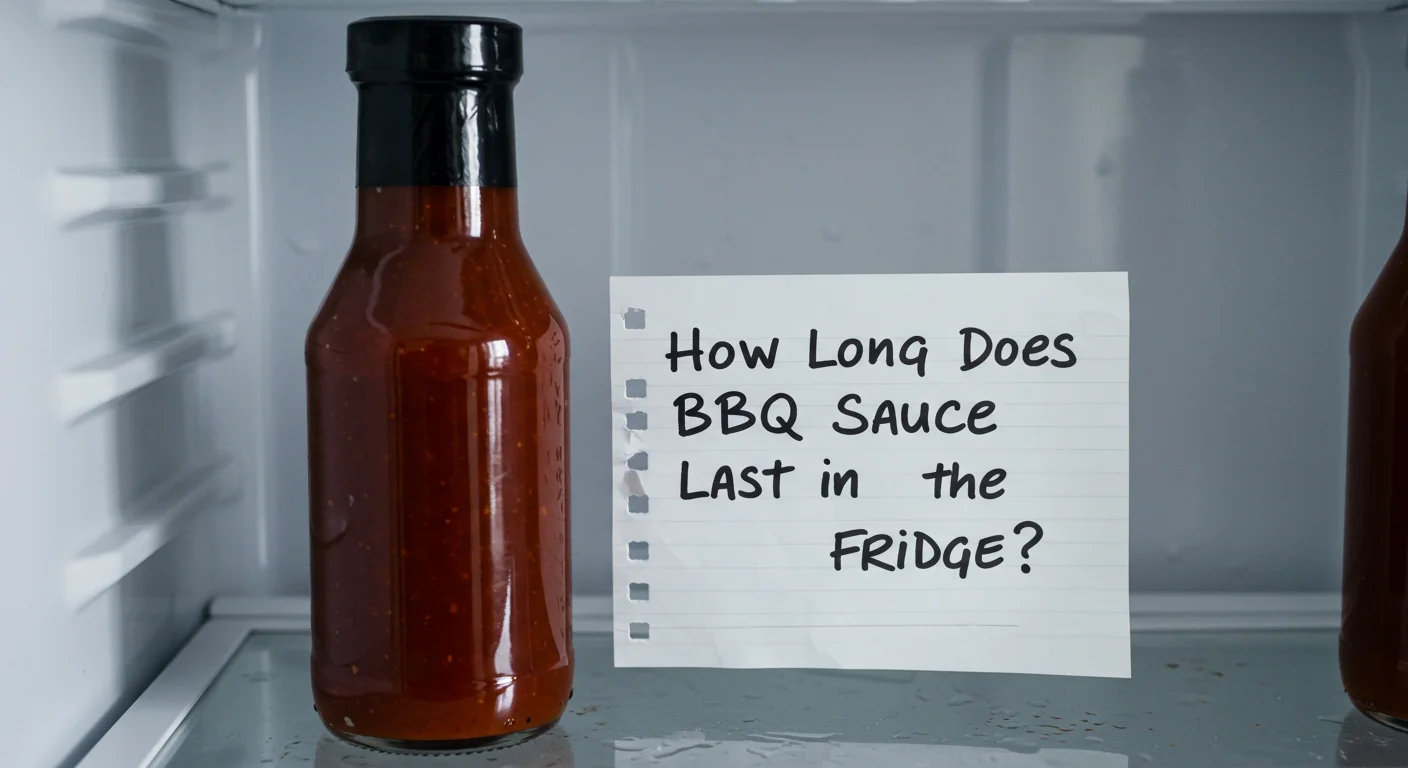
Keeping your BBQ sauce fresh not only prevents food waste but also allows you to enjoy your creation for longer without having to constantly whip up new batches. For anyone who enjoys grilling regularly, this means convenience and consistent taste every time.
Key Ingredients Affecting Shelf Life
The shelf life of your BBQ sauce greatly depends on its ingredients. For example, high vinegar and sugar content act as natural preservatives, slowing down bacterial growth. Conversely, if your recipe includes fresh ingredients like garlic, onions, or fresh tomato, the sauce might perish faster due to their moisture content.
Understanding these ingredients helps you anticipate how long your sauce can last and tailors your storage techniques accordingly. A basic three-ingredient BBQ sauce, such as ketchup, vinegar, and sugar, can keep longer than complex recipes with fresh produce or dairy additions.
Preparation Steps Before Storing
Cool Down: The Importance of Temperature
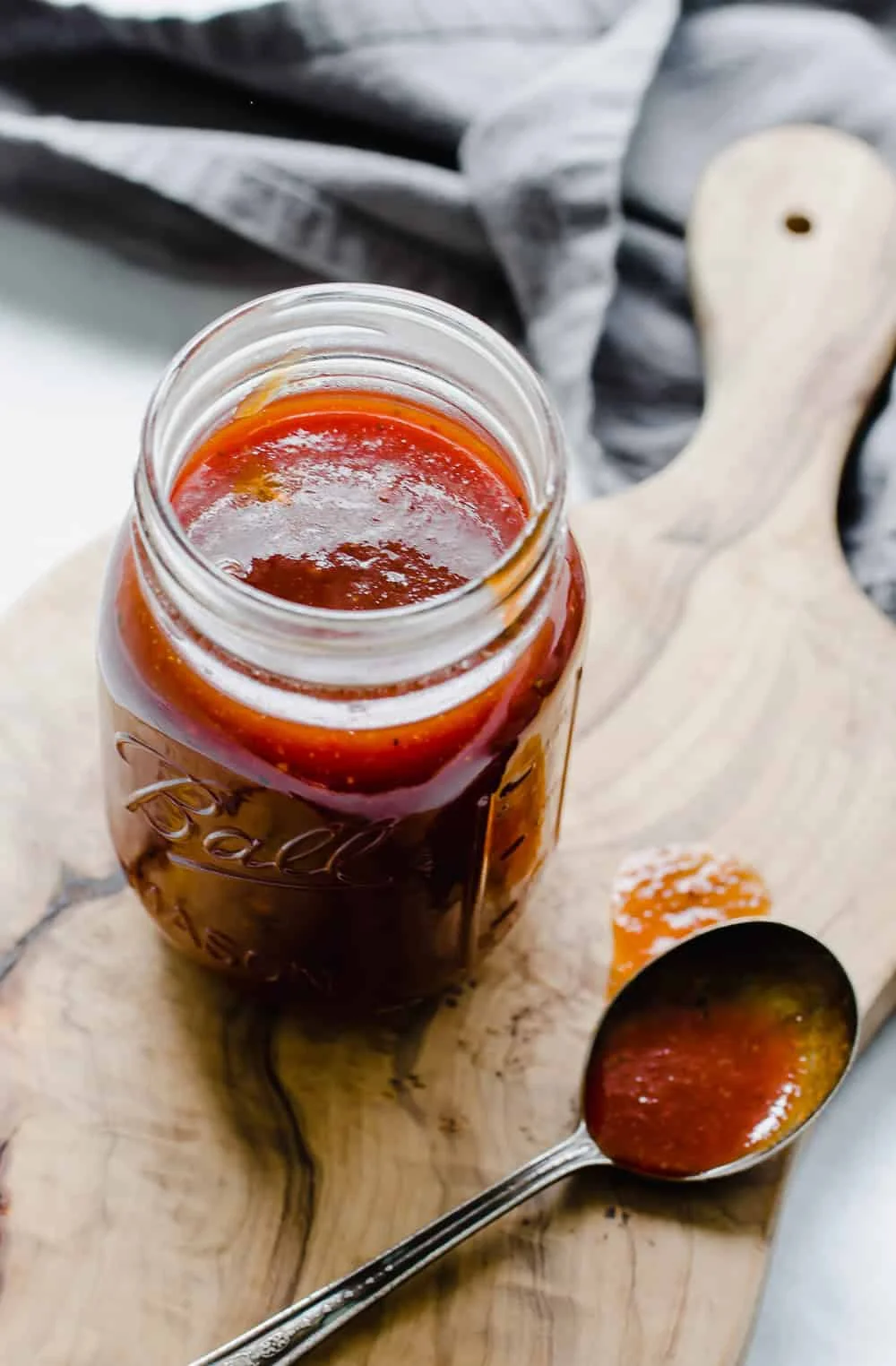
One common mistake is placing hot BBQ sauce directly into the refrigerator or freezer. Doing so raises the internal temperature of the appliance and can create condensation inside the container, which encourages bacterial growth. A better approach is to allow the sauce to cool at room temperature for about 30 to 60 minutes before storing.
For example, a pitmaster I know always sets his sauce aside to reach near room temperature before transferring it to mason jars. This simple step helps maintain the sauce’s integrity and keeps the fridge environment stable.
Choosing the Right Container for BBQ Sauce
Choosing a storage container might sound trivial, but it drastically influences how long your sauce stays fresh. Airtight containers that minimize oxygen exposure are essential. Oxygen accelerates spoilage by feeding unwanted bacteria. Mason jars are a popular option because they seal tightly and can be easily sterilized.
However, if you plan to freeze the sauce, ensure your mason jars are freezer-safe to prevent cracking. Avoid storing small amounts of sauce in large containers as excess air gets trapped inside, reducing shelf life. Opt for containers sized appropriately to the quantity of sauce you have.
Storage Options for Homemade BBQ Sauce
Refrigeration: Best Practices and Duration
When refrigerated, homemade BBQ sauce can typically last two to three weeks. To maximize freshness, label jars with the date of preparation so you keep track of usage. Place the sauce in the main body of the fridge where the temperature is more consistent, rather than the door.
Be sure to always use a clean spoon when scooping sauce to avoid introducing contaminants. Even with refrigeration, inspect your sauce before use. If you notice a pungent vinegar smell, bubbles on the surface, or any mold, discard immediately.
Freezing BBQ Sauce: Pros, Cons, and Tips
Freezing is an excellent option for longer-term storage, extending shelf life up to six months or more. However, freezing hot sauce without cooling it first can damage the container and affect texture. Once cooled, portion the sauce in freezer-safe mason jars or BPA-free plastic tubs, leaving some headspace to allow for expansion.
The downside is that freezing can slightly alter the consistency of the sauce, making it less smooth upon thawing. Still, it’s a practical solution for batch makers who want to avoid wasting leftover sauce and have it ready for future grilling sessions.
Extending Freshness with Preservation Techniques
Using Natural Preservatives Safely
If you want to naturally extend your BBQ sauce’s shelf life, adding ingredients like extra vinegar, lemon juice, or a pinch of salt can help. These components inhibit microbial growth, enhancing preservation without artificial additives. For instance, a friend who runs a small catering business boosts acidity levels in his sauces to avoid refrigeration during short transport periods.
Be cautious with quantity, though, as excessive vinegar may overpower the flavor balance you worked hard to achieve. Always test small batches before committing to changes.
Vacuum Sealing and Other Advanced Methods
Vacuum sealing removes air from the container, significantly slowing spoilage. If you have access to a vacuum sealer, this method can be combined with refrigeration or freezing for maximum freshness. It’s especially helpful when storing larger quantities that you intend to use over several weeks.
Other techniques like pasteurizing the sauce by heating it to a certain temperature before storing can also extend shelf life but require more care to avoid flavor loss.
Troubleshooting Common Issues
Signs Your BBQ Sauce Has Gone Bad
Spotting spoilage early is essential to avoid health risks. Watch for sharp changes such as a sour or pungent vinegar smell that’s stronger than usual, unusual discoloration, or the presence of bubbles or fizz indicating fermentation. Mold growth is a clear sign the sauce should be discarded immediately.
Remember, homemade BBQ sauce is easy to remake since it often calls for just a few ingredients. It’s better to err on the side of caution than risk consuming spoiled food.
How to Safely Reheat and Reuse Stored Sauce
When reheating refrigerated or thawed BBQ sauce, warm it gently on the stove over low heat and stir frequently. Avoid microwave reheating in tightly sealed containers to prevent uneven heating. If you plan to reuse leftover sauce for basting or dipping, bring it to a simmer to kill any potential bacteria.
Once reheated, use the sauce promptly or refrigerate it again but no more than once to maintain safety and flavor quality.


