

Understanding the Importance of a Morning Routine
The Psychology Behind Morning Habits
Imagine waking up feeling scattered and rushed, diving immediately into the demands of the day without a clear sense of direction. The brain craves routine because it thrives on predictability, which reduces decision fatigue and mental clutter. Psychologists argue that morning habits set the tone for our mindset and emotional state; starting the day with the same positive actions creates a sense of control and stability. This is why successful individuals often emphasize their morning rituals—whether it’s journaling, stretching, or a quiet moment of reflection—as a deliberate way to influence their mental framework for the day.
Impact on Daily Productivity
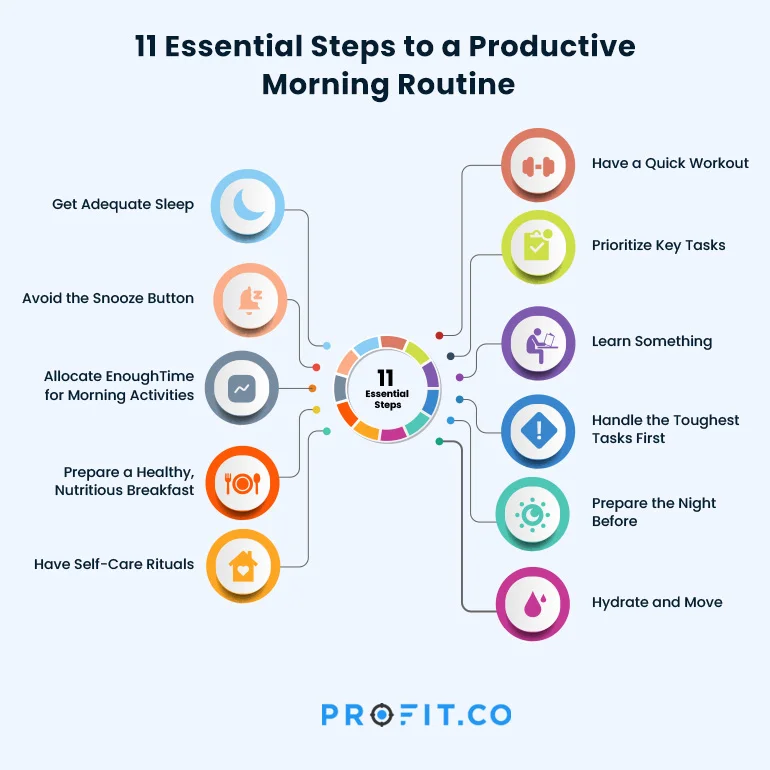
Consider the case of someone who begins their day by checking emails or scrolling through social media. This habit pulls attention outward, often creating stress and distraction before any meaningful work begins. Alternatively, establishing a consistent, intentional morning routine has been shown to improve focus and motivation. When mornings are structured around personal priorities—like exercise or planning key tasks—the rest of the day flows with greater efficiency. For example, a colleague who dedicates their first hour to reviewing priorities often reports handling workloads with less overwhelm, demonstrating how a steady morning can lead to high daily productivity.
Key Elements of a Successful Morning Routine
Wake-Up Time: Finding Your Optimal Hour
Success doesn’t necessarily mean waking up at 5 a.m. for everyone. The key is finding a wake-up time that aligns with your natural sleep cycle and personal obligations. A friend of mine experimented with various wake-up hours for months before settling into a 7 a.m. rhythm that left her feeling refreshed and ready. The trick is ensuring you consistently get enough sleep by setting your bedtime accordingly. Using an alarm clock with a fixed wake time anchors your routine, allowing your body to adapt and create a reliable internal clock.
Incorporating Physical Activity
Physical movement in the morning can be as simple as stretching or a brisk walk around the block. One parent I knew incorporated a 10-minute yoga session before her children woke up; this quick routine helped clear her mind and boost energy. Morning exercise helps regulate the body’s sleep-wake cycle and releases endorphins, enhancing mental clarity. This doesn’t mean an intense workout is necessary—what matters is consistency and listening to your body’s preferences.
Mindfulness and Meditation Practices

Some mornings, the mind races with all the day’s thoughts and anxieties. Practicing mindfulness or meditation, even for a few minutes, can create a calming foundation. For example, a manager I worked with used deep breathing exercises paired with sipping water to start his day focusing on presence rather than stress. This ritual not only grounds him but also improves his awareness, helping to tackle tasks with less distraction.
Step-by-Step Guide to Designing Your Morning Routine
Assessing Personal Goals and Priorities
Building a morning routine begins with understanding what matters most to you. Are you aiming to increase productivity, reduce stress, or improve health? When one client wanted to feel less overwhelmed, we identified key activities: planning the day ahead and hydration. By aligning morning habits with specific goals, the routine becomes purposeful. Writing down three achievable tasks for tomorrow in the evening, for instance, eases morning anxiety and sets a clear path forward.
Choosing Activities That Energize You
Not all morning routines fit everyone. For some, a mindful walk outdoors invigorates them; for others, a quick breakfast or journaling provides energy. One creative professional found that presetting her coffee machine ensured she had a warm drink ready, making the transition from sleep smoother. Pairing morning beverage time with moments of gratitude or connection—like chatting briefly with family or playing with pets—can amplify energy and mood.
Preparing the Night Before
The success of your morning often depends on the night before. Setting out workout clothes or work attire can remove friction during those early moments. Another practical strategy is to wind down with calming activities, such as reading a book or taking a warm bath, which may help induce sleepiness. Turning off electronics well before bedtime and replacing screen time with decaf tea drinking supports better rest. Declaring your bedroom a device-free zone is a powerful move that many attribute to improved sleep quality.
Overcoming Challenges in Maintaining Consistency
Dealing with Early Morning Fatigue
We all have days when getting out of bed feels like an uphill battle. On such mornings, it helps to have small anchors to ease into the day—like keeping slippers near the bed during cold mornings or drinking a glass of water immediately to combat dehydration. Accepting that fatigue happens allows for gentle adjustments instead of harsh self-criticism. Incorporating self-care routines that nurture both body and mind can make these mornings feel less daunting over time.
Handling Unplanned Disruptions
Life rarely goes according to plan, and interruptions can disrupt even the best-laid morning routines. I once spoke with a working parent who found her routine constantly interrupted by unexpected childcare needs. What worked was building flexibility into her schedule—shortening certain rituals or shifting their timing. Preparing quick breakfast options, like oatmeal or smoothies, allowed her to maintain nourishment even on the go. In essence, adapting rather than abandoning your routine sustains momentum during unpredictable days.
Tracking Progress and Adjusting Your Routine
Using Journals or Apps to Monitor Habits
Tracking your morning habits can reveal patterns and progress worth celebrating. Some find success using paper planners, such as the Day Designer, to note daily accomplishments and feelings. Others prefer digital apps that remind them of new habits and track consistency. Keeping a food diary or habit tracker can also help connect morning routines with energy levels and productivity, providing feedback for tweaks.
How to Refine Your Routine Over Time
Establishing a morning routine isn’t a one-time fix but a dynamic process. As life changes, so will your priorities and energy. Regularly revisiting your routine—perhaps once a month—allows you to remove elements that no longer serve you and introduce new ones. For example, you might swap meditation for journaling, or add brief morning reading to inspire motivation. The goal is to build a routine that continuously supports your personal success by focusing on time and attention rather than external measures like money.


