

Introduction to DIY Water Pan Setups for Smokers
Why Moisture Matters in Smoking Meat
One of the biggest challenges when smoking meat is preventing it from drying out during the long cooking process. The lack of moisture can cause the meat to become tough and less flavorful, significantly diminishing the overall eating experience. A dry smoker environment draws moisture out of the meat rather than allowing it to stay juicy and tender. This problem is especially common during extended smoking sessions where the heat tends to slowly desiccate the meat’s surface and interior.
Maintaining adequate moisture inside the smoker keeps the meat hydrated, slows down the drying process, and promotes a tender texture. It also helps create a more even cooking environment by regulating smoker humidity, which is crucial for achieving that perfect smoky taste and mouthwatering bite.
Overview of Water Pan Functionality
Using a water pan inside your smoker acts as a simple yet effective solution to this moisture problem. The water pan holds water that heats up, releasing steam into the smoker chamber. This added humidity prevents the meat from drying out and helps regulate the smoker’s internal temperature by absorbing and distributing heat more evenly.
Beyond moisture retention, the water pan can also catch dripping fat and juices from the meat, reducing flare-ups and unwanted smoke flavors from burnt drippings. However, improper water pan placement or use can lead to issues such as quick evaporation or uneven cooking, which underscores the importance of a proper DIY setup tailored to your smoker.
Materials and Tools Needed for Your Water Pan Setup
Choosing the Right Container
The first and most crucial step is selecting an appropriate container that can act as your water pan. Many smokers include a built-in water pan, but for DIY setups, consider using a heat-safe metal pan or aluminum foil tray. These options withstand high temperatures without warping or melting. Avoid plastic containers as they can release harmful fumes and melt when exposed to smoker heat.
The size of the pan should fit comfortably inside your smoker without interfering with the placement of the meat. A pan that is too small won’t hold enough water to generate sufficient steam, while an excessively large pan might affect airflow and heat distribution.
Essential Accessories for Easy Setup
To simplify installation, some additional accessories can be helpful. Oven mitts or heat-resistant gloves are essential for safely handling hot pans during refills. A stand or grill grate to rest the water pan on ensures it remains stable and properly positioned. Thermometers to monitor both smoker and water temperature provide better control of cooking conditions.
Optional Enhancements to Improve Performance
For those looking to boost smoking results, you can add enhancements such as wrapping the water pan with foil to help retain heat and extend the time before refilling. Adding aromatic ingredients like herbs or fruit juices to the water can subtly infuse flavor into the meat. However, be cautious not to overdo it, as too many additions may cause unwanted residues or affect smoke quality.
Step-by-Step Guide: Building Your DIY Water Pan
Preparing the Pan for Installation
Before use, thoroughly clean the chosen pan to remove any residues or chemicals. If using a disposable aluminum pan, ensure it is sturdy enough to hold water for long periods without collapsing. Optionally, wrap the exterior of the pan with heavy-duty foil to increase durability and heat retention. This simple preparation minimizes the risk of pan damage during cooking.
Positioning the Water Pan Inside Your Smoker
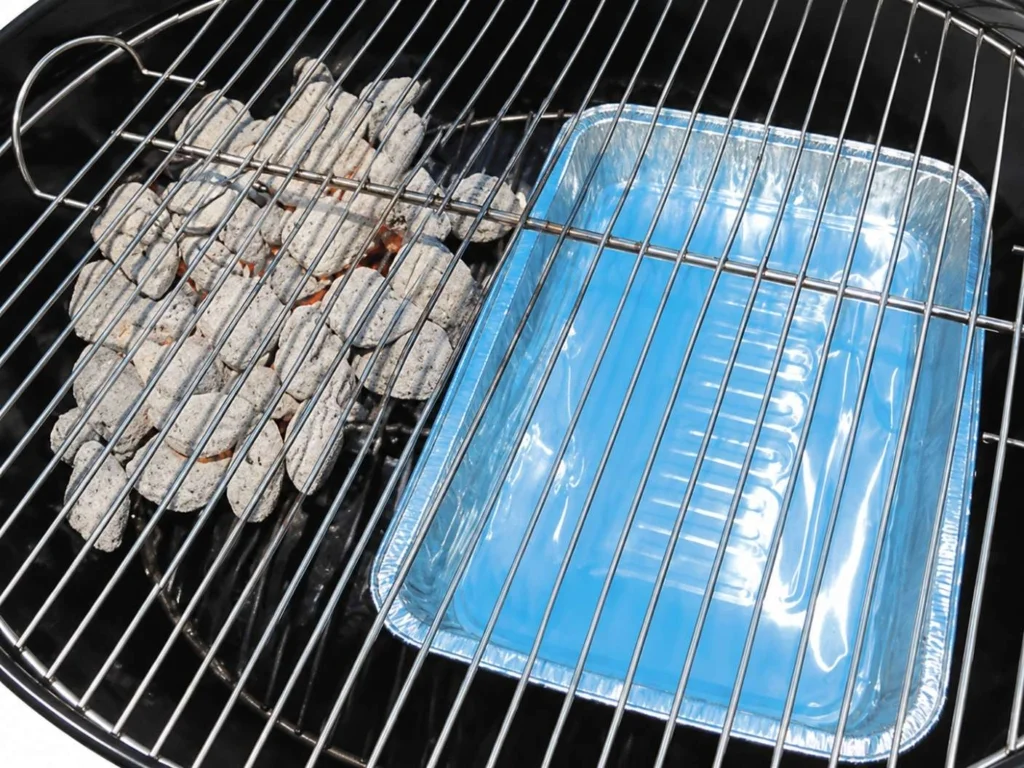
Proper placement is critical for the water pan to function effectively. Place the pan directly beneath the meat, ideally on a rack or grate designed for holding water pans. This position allows it to catch drippings and maximize steam exposure to the meat while not blocking airflow or heat from the fire source.
Incorrect placement—such as positioning it too far from the heat source or outside the cooking chamber—can cause uneven heat distribution and insufficient moisture inside the smoker. Make sure there’s enough clearance for air to circulate freely around the water pan.
Filling and Maintaining Water Levels
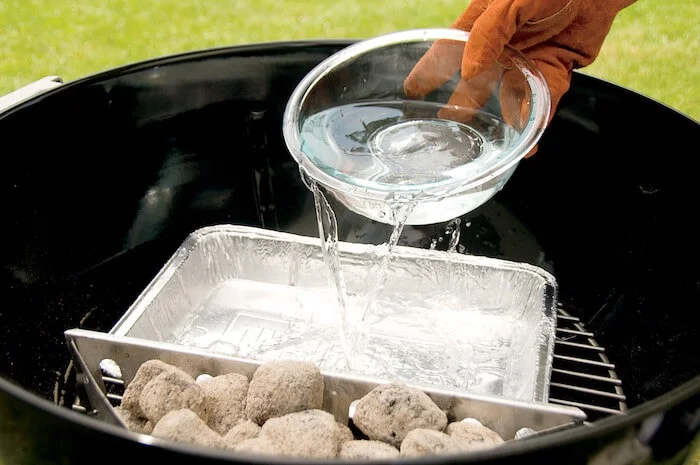
Fill the water pan with warm water before lighting the smoker. Starting with warm water reduces the time it takes to generate steam and prevents the smoker temperature from dropping suddenly. Throughout the smoking process, check water levels regularly to ensure it doesn’t dry out, which could lead to flare-ups from dripping fat hitting hot surfaces.
Refill carefully using warm water to maintain steady steam production. Avoid cold water refills during cooking, as drastic temperature changes can disrupt the smoker’s internal environment and delay cooking progress.
Tips to Optimize Your Water Pan Use
Monitoring Temperature and Humidity
Maintaining a consistent temperature and humidity level inside your smoker is essential. Use a reliable thermometer to keep the smoker temperature steady between desired smoking ranges (usually 225–275°F). The water pan contributes to humidity, but external environmental factors like wind or ambient temperature also play roles.
If you notice temperature fluctuations or rapid water evaporation, try adjusting smoker vents or adding water more frequently. Keeping the water warm before refilling minimizes cooking interruptions and stabilizes the cooking climate.
Using Different Liquids for Flavor Enhancement
While plain water is most common, experimenting with other liquids such as apple juice, beer, or broth can subtly enhance the flavor profile of your smoked meat. These liquids release aromatic steam that complements the smoky taste.
However, take care not to mix liquids that have sugars or additives that may burn and create off-flavors or sticky residue in your pan. Clean the water pan thoroughly after each use to prevent buildup and ensure smoke purity.
Troubleshooting Common Issues with Water Pan Setups
Preventing Water from Boiling Off Too Quickly
If you notice the water evaporates too quickly, the cause is often excessive heat or poor pan insulation. Using warm water, covering the pan partially with foil, or using a thicker container can slow evaporation. Rapid water loss forces frequent refilling, disrupting the cooking process and potentially drying out your meat.
Dealing with Uneven Heat Distribution
Uneven heat can stem from improper water pan placement or smoker design. If one side of the meat cooks faster, reposition the water pan to enable better airflow and heat balance within the chamber. Avoid placing pans too close to the heat source or blocking important air vents, as this can cause hotspots or cold zones.
Regularly monitoring both temperature and humidity helps identify and correct imbalances early, leading to consistently juicy and flavorful results.
Conclusion: Enhancing Your Smoking Experience with a DIY Water Pan
Incorporating a DIY water pan setup into your smoker is a practical way to maintain moisture, regulate temperature, and improve the overall quality of your smoked meats. By understanding the causes behind dry, tough meat and how a water pan mitigates these problems, you can significantly enhance your smoking results.
Careful selection of materials, proper placement, and consistent maintenance of water levels are key factors in achieving success. Avoid common mistakes such as neglecting the water pan or using cold water for refills to keep your cooking process smooth and efficient.
Ultimately, a well-executed water pan setup not only keeps meat juicy but also elevates your enjoyment of smoking, turning every session into a rewarding culinary experience.


