

Essential Preparations for Weekend Hiking Trips
Choosing the Right Backpack
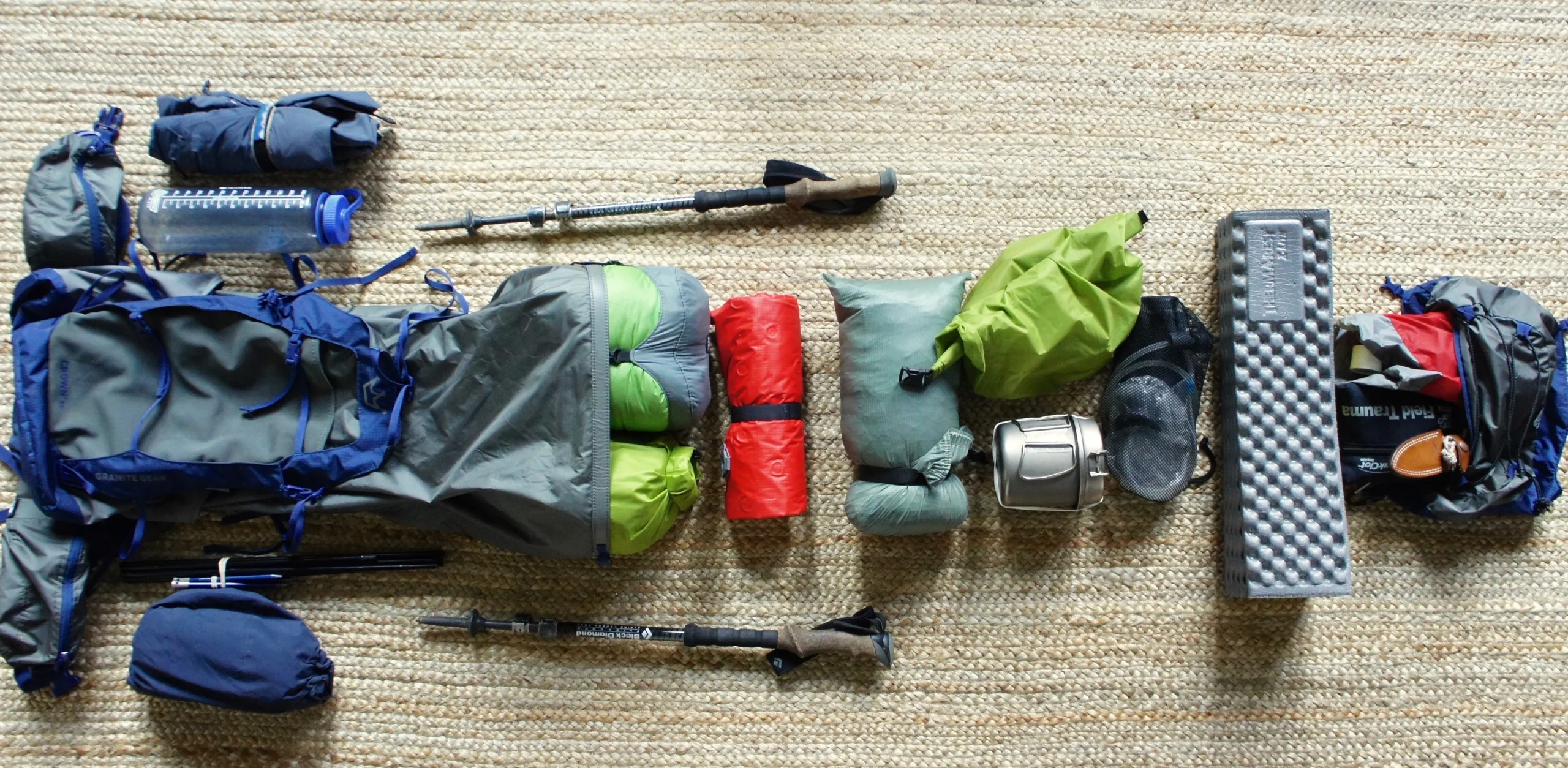
When preparing for a weekend hiking trip, the backpack you choose can make or break your experience. Imagine arriving at the trailhead, already feeling the strain from lugging a bulky 70-liter pack stuffed with items you won’t even use. This is a common mistake—many hikers overestimate their needs and bring oversized backpacks that encourage overpacking. Instead, aim for a medium-sized bag, around 40 to 50 liters, which is perfect for a two to three-day trip. This size limits you naturally to essentials, making your load lighter and your hike more enjoyable.
Weather Considerations and Clothing Selection
Weather can be unpredictable, turning a pleasant hike into a challenging ordeal. Planning your clothing around the expected climate is crucial. For example, if you’re hiking in a temperate region during spring, packing layers is your best bet. Start with moisture-wicking base layers, add insulating pieces like a sweater or hoodie, and top it off with a wind or rain jacket. In tropical or hot climates, shorts and tank tops are sufficient, and sleeping in lightweight nightwear can reduce what you need to carry. A cap or hat is always handy to protect from sun exposure, while choosing a simple color palette for your outfits helps with easy mixing and matching, cutting down on excess items.
Planning Food and Hydration
Food and hydration require careful planning to maintain energy without overburdening your pack. Think about quick, non-perishable snacks like nuts, dried fruit, or energy bars that you can grab on the move. It’s important to bring enough water or have a reliable way to purify natural sources to stay hydrated. Many hikers forget to factor in hydration needs tailored to the terrain and temperature, so plan accordingly and test your equipment prior to setting out.
Packing Smart: What to Bring and What to Leave Behind
Must-Have Hiking Gear Checklist
Successful packing is about balance—bringing what’s necessary without tipping into excess. A practical checklist includes sturdy footwear, appropriate clothing layers, a small first aid kit, navigation tools, and essentials like a headlamp or flashlight. It’s helpful to focus on items you’ll use regularly and genuinely enjoy wearing. For example, bringing 6 to 7 shirts or t-shirts along with 7 pairs of underwear covers your needs without creating unnecessary bulk, while packing a wind/rain jacket ensures readiness for sudden weather changes.
Optimize Space: Techniques for Efficient Packing
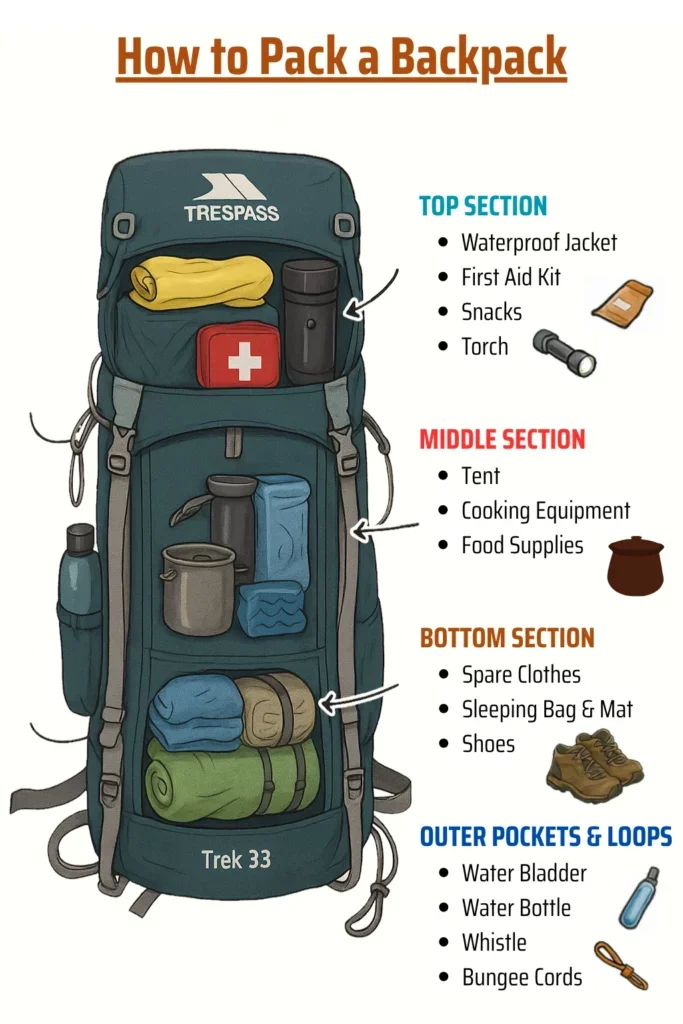
One practical technique for packing efficiently is rolling clothes instead of folding them. This not only saves space but also reduces wrinkles. Another tip is to keep heavier items toward the bottom and close to your back in the backpack to maintain balance. Using smaller luggage or bags can help force you to prioritize and avoid overpacking—it’s a method many hikers find effective. Having a digital luggage scale handy prior to travel can also prevent surprises, especially if your hiking trip involves air travel.
Lightweight Alternatives for Bulky Items
Bulky gear often adds unnecessary weight, so consider lightweight alternatives that serve the same purpose. For instance, instead of carrying heavy cotton clothing, opt for quick-drying and moisture-wicking fabrics. A thin, compressible sleeping jacket can replace a bulky sweater, and camping gear like tents and sleeping bags now come in ultralight versions without compromising functionality. Bring swim shorts instead of bulkier wetsuits if your itinerary includes water activities in warm climates, helping you save precious space and pounds.
Staying Organized on the Trail
Using Packing Cubes and Dry Bags
Once on the trail, organization becomes key to stress-free living out of your pack. Packing cubes are invaluable—they divide your belongings into categories and make it easy to find what you need without unpacking everything. Dry bags serve a dual purpose by protecting your clothes and electronics from moisture while helping compress bulky items. Use a dry bag for your sleeping clothes and another for essentials like your phone and map, ensuring they stay dry after unexpected rain or river crossings.
Balancing Weight for Comfort and Safety
Having a balanced pack not only promotes comfort but reduces the risk of injury. As you divide your gear, place heavier items close to your back and near your center of gravity to maintain stability. Lighter items should fill the outer and top areas. For instance, pack your water reservoir near the backpack’s spine, distribute food evenly, and keep frequently used items like snacks or a rain jacket accessible. This thoughtful arrangement makes your hike more comfortable and prevents accidents caused by uneven weight distribution.
Safety and Emergency Preparedness
First Aid Kit Essentials
While packing light is important, safety should never be compromised. A small, well-stocked first aid kit tailored to your needs is essential. Include basic supplies like adhesive bandages, antiseptic wipes, blister treatment, and personal items. Preparing this kit in advance prevents last-minute panic packing and ensures you’re ready for minor scrapes or discomforts. Remember, it’s best to customize your kit based on your route, the number of hikers, and any personal health considerations.
Navigation Tools: Map, Compass, and GPS Devices
Navigation is the backbone of any hiking adventure. Even if you rely on smartphone apps, carrying a physical map and compass is a prudent safety measure in case of device failure or poor signal. Taking time before the trip to familiarize yourself with these tools can save you from stressful situations on the trail. Modern GPS devices or watches offer convenience and accuracy but should complement traditional methods rather than replace them entirely.
Final Tips for a Stress-Free Hiking Experience
Double-Check Your Gear Before Departure
Nothing causes more anxiety than realizing something critical was forgotten when you hit the trail. Make it a habit to lay out your gear at least a day before departure and cross-check your items against your checklist. Packing in calm, unrushed conditions reduces the risk of mistakes. This preparation time can prevent the common pitfall of last-minute panic packing, which often leads to overpacking or forgetting essentials.
Setting Realistic Expectations for Your Weekend Adventure
Finally, having the right mindset plays a huge role in enjoying your hiking weekend. Accept that not everything may go as planned—weather changes, unforeseen trail conditions, or minor inconveniences might arise. Packing sensibly and focusing on what truly matters—comfort, safety, and enjoyment—will lead to a more fulfilling experience. Remember, the goal is to unwind and connect with nature, so keep your expectations balanced and your pack light.


