

Understanding the Link Between Sustainability and Winter Fashion
Why Choose Sustainable Fabrics for Cold Weather?
When the temperature drops, our instinct is to reach for warm, comfortable clothing. However, choosing sustainable fabrics for winter wear is becoming increasingly important as environmental concerns rise. Opting for eco-friendly materials not only protects the planet but also often enhances the quality and longevity of your wardrobe. Sustainable fabrics are typically produced with fewer chemicals and less energy, reducing the carbon footprint associated with traditional textile manufacturing. This means you can keep warm without compromising your values or the health of the environment.
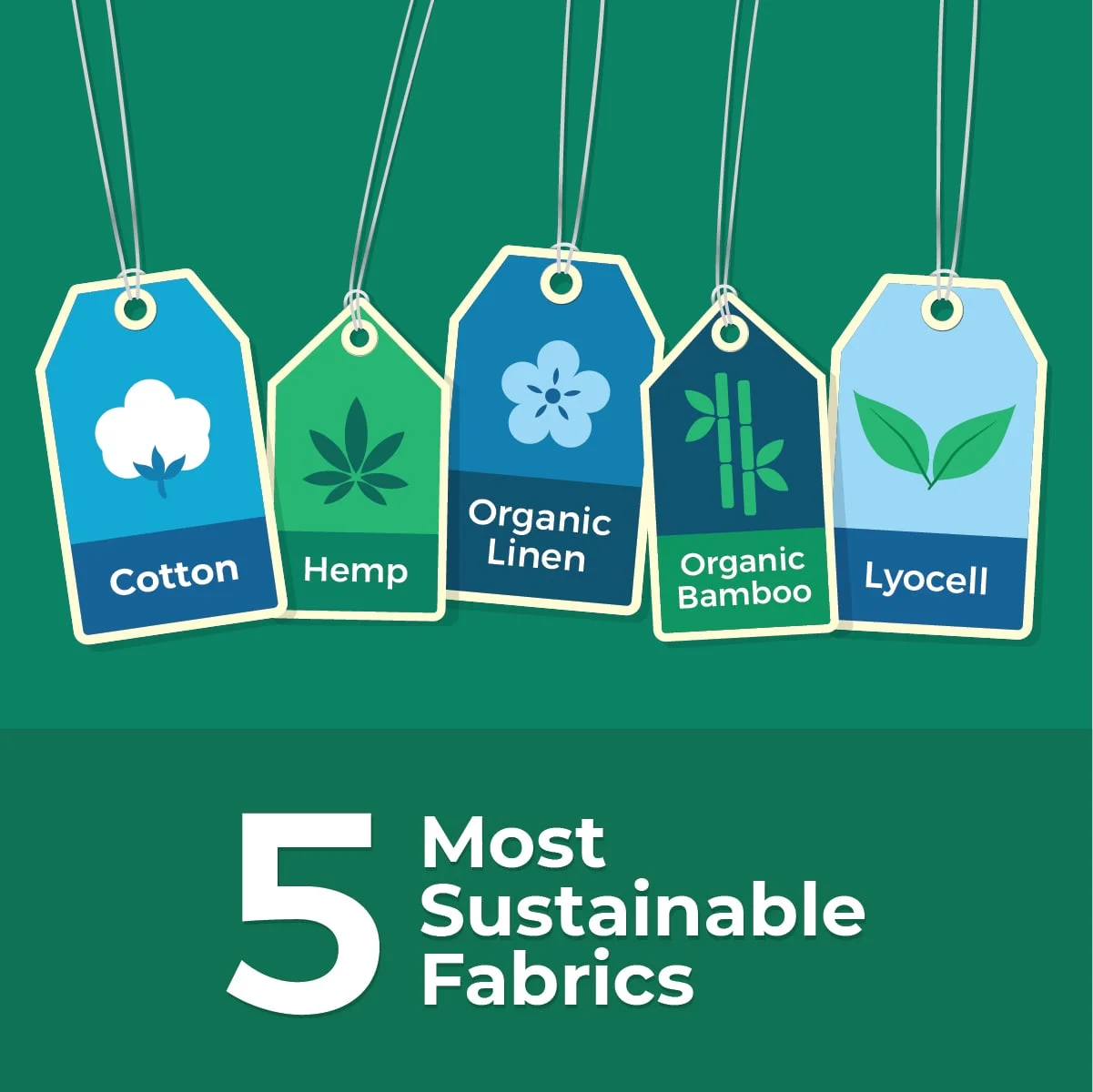
Furthermore, investing in sustainable fabrics often means investing in materials that naturally regulate body temperature and moisture, which is essential during cold weather. These fabrics help keep you dry and cozy, providing both comfort and style.
Environmental Impact of Traditional Winter Fabrics
Traditional winter fabrics often rely on synthetic fibers or intensive animal farming, both of which carry significant ecological consequences. Synthetic materials like conventional polyester and nylon are petroleum-based, contributing to fossil fuel depletion and microplastic pollution. Meanwhile, conventional wool production can involve high water usage and chemical treatments, which strain natural resources.
Additionally, fast fashion trends have increased the demand for cheap winter clothing, leading to improper disposal and massive textile waste. Choosing sustainable fabrics helps reduce this cycle, promoting a more mindful approach to consumption that values quality and environmental responsibility.
Top Sustainable Fabrics for Warmth and Style
Organic Wool: Benefits and Style Tips
Organic wool stands out as one of the best sustainable fabrics for winter. Sourced from sheep raised without harmful pesticides or chemicals, organic wool is biodegradable and renewable. This material boasts excellent thermal insulation, naturally wicks moisture, and offers breathability, which keeps you dry and comfortable in chilly weather.
Merino wool, in particular, is renowned for its softness and odor resistance, making it an ideal choice for layering pieces or statement sweaters. For a luxurious feel, cashmere is another wool variety worth considering. It provides lightweight warmth and durability when cared for properly. Pair cashmere sweaters with organic wool coats or scarves for a stylish, sustainable winter look that transitions well from casual to formal occasions.
Recycled Polyester Made Cozy: Breaking Myths
Recycled polyester is often misunderstood. While polyester is synthetic, recycled variants are created from repurposing post-consumer plastic bottles, which greatly reduces environmental impact. Recycled polyester fabrics are hydrophobic, quick-drying, and durable, making them suitable for outer layers like jackets and activewear designed for cold weather.
This fabric offers practical benefits such as moisture resistance and wind protection, essential for staying warm during winter activities. When combined with sustainable practices, recycled polyester proves that synthetic fibers can be eco-conscious choices without sacrificing performance or style.
Hemp and Its Thermal Properties
Hemp is emerging as a versatile and sustainable fabric with impressive thermal properties. Known for its durability and breathability, hemp can retain warmth while allowing airflow, reducing the risk of overheating. It also requires minimal water and pesticides during cultivation, making it an eco-friendly fiber choice.
You can find hemp blended with other fibers like organic cotton or wool to enhance insulation. Its natural texture lends a rustic yet refined aesthetic to winter clothing, making it ideal for casual jackets, pants, and layered ensembles that balance warmth with sustainable style.
Tencel and Modal: Softness Meets Sustainability
Tencel and modal are sustainable fabrics derived from wood pulp, typically sourced from responsibly managed forests. These fibers are known for their silky softness and moisture management properties, which help maintain comfort throughout the day. Although they may not provide the highest level of insulation on their own, they work well as layering pieces beneath warmer fabrics.
Their smooth texture adds elegance to winter outfits, especially when used in shirts, dresses, or linings. Using Tencel or modal in combination with thicker sustainable fabrics allows you to enjoy both warmth and a luxurious feel without compromising on eco-friendliness.
Comparing Warmth, Durability, and Eco-Friendliness
Thermal Insulation Ratings of Sustainable Fabrics
When selecting sustainable fabrics for winter, understanding their insulation properties is crucial. Wool, including organic and Shetland wool, typically offers the highest thermal retention due to its natural crimp, which traps air and retains heat. Cashmere, though lightweight, also provides excellent warmth.
Hemp and cotton blends offer moderate insulation but excel in breathability and moisture control, preventing chills caused by dampness. Recycled polyester and nylon stand out for wind resistance and quick drying but rely on layering strategies to boost warmth. Fabrics like velvet and silk, while adding a luxurious touch, provide additional insulation through their thickness and natural properties.
Longevity and Care for Eco-Winter Fabrics
Sustainable fabrics often require mindful care to extend their lifespan, making them better long-term choices than fast fashion alternatives. Wool fibers benefit from gentle washing and airing out rather than frequent laundering, preserving their durability and softness. Cashmere needs careful handling to avoid pilling and can last for years with proper storage.
Recycled polyester and nylon are more resilient and easier to care for, often machine washable and quick-drying, but they should be washed with care to reduce microplastic shedding. Natural fibers like hemp and Tencel become softer with use and maintain structural integrity when washed according to guidelines. By investing time in proper fabric care, you reduce waste and continue enjoying stylish, warm clothing season after season.
Styling Winter Outfits With Sustainable Materials
Layering Techniques to Maximize Warmth and Style
Mastering layering is essential for winter, especially when working with sustainable fabrics. Start with a base layer made from breathable materials like merino wool or Tencel, which regulate moisture and temperature close to your skin. Adding mid-layers of cashmere or organic wool enhances insulation without bulk.
For outerwear, choose recycled polyester or hemp jackets that guard against wind and moisture. Combining textures such as velvet scarves or silk blouses under chunky knits can elevate your look while maintaining practicality. Layering allows you to adjust warmth easily, ensuring comfort in varying conditions and creating visually interesting outfits without compromising sustainability.
Accessorizing Sustainably for Cold Weather
Accessories play a strategic role in both warmth and style during winter. Look for scarves, hats, and gloves made from sustainable fibers like organic wool, cashmere, or hemp. These materials offer softness and insulation, reducing the need for synthetic linings. Velvet accessories add a rich texture and a sense of luxury, perfect for elevating everyday outfits.
By selecting items that are both functional and eco-conscious, you can complete your winter wardrobe thoughtfully. Additionally, buying preloved or consignment accessoires helps minimize environmental impact, keeping sustainable fashion circular and accessible.
Shopping Tips: Finding Sustainable Winter Fabrics
Certifications to Look For
When shopping for sustainable winter clothing, certifications serve as a reliable guide. Look for labels like Global Organic Textile Standard (GOTS), which ensures organic fiber content and environmentally-friendly processing. The OEKO-TEX certification signifies fabrics free from toxic chemicals, making them safer for both people and the planet.
Other valuable certifications include the Responsible Wool Standard (RWS) and Bluesign, indicating ethical animal welfare and sustainable production methods. Being aware of these marks empowers you to make informed purchases aligned with your values.
Trusted Brands and Online Resources
Many brands are now prioritizing sustainability in winter fashion, offering a variety of eco-friendly fabrics and styles. Researching and supporting companies committed to transparency and responsible sourcing can help you build a sustainable wardrobe without sacrificing style or warmth.
Online platforms and consignment shops also offer preloved options, reducing demand for new production. Additionally, staying informed through sustainability-focused blogs and forums can guide you toward the best buys and care practices, making the transition to eco-conscious winter wear simple and rewarding.


