

Understanding the Basics of Steak Tip Marinades
What Makes Steak Tips Unique?
Steak tips are typically cut from tougher sections of the beef, such as the sirloin or round. Unlike premium steaks like ribeye or filet mignon, steak tips have more connective tissue and muscle fibers, which can make them chewier if not prepared properly. This inherent toughness makes them excellent candidates for marinating, as the process helps break down the fibers, resulting in a more tender and flavorful bite. Imagine a backyard cookout where the steak tips come out juicy and tender, impressing guests who might expect a tougher chew.
Essential Ingredients for a Great Marinade
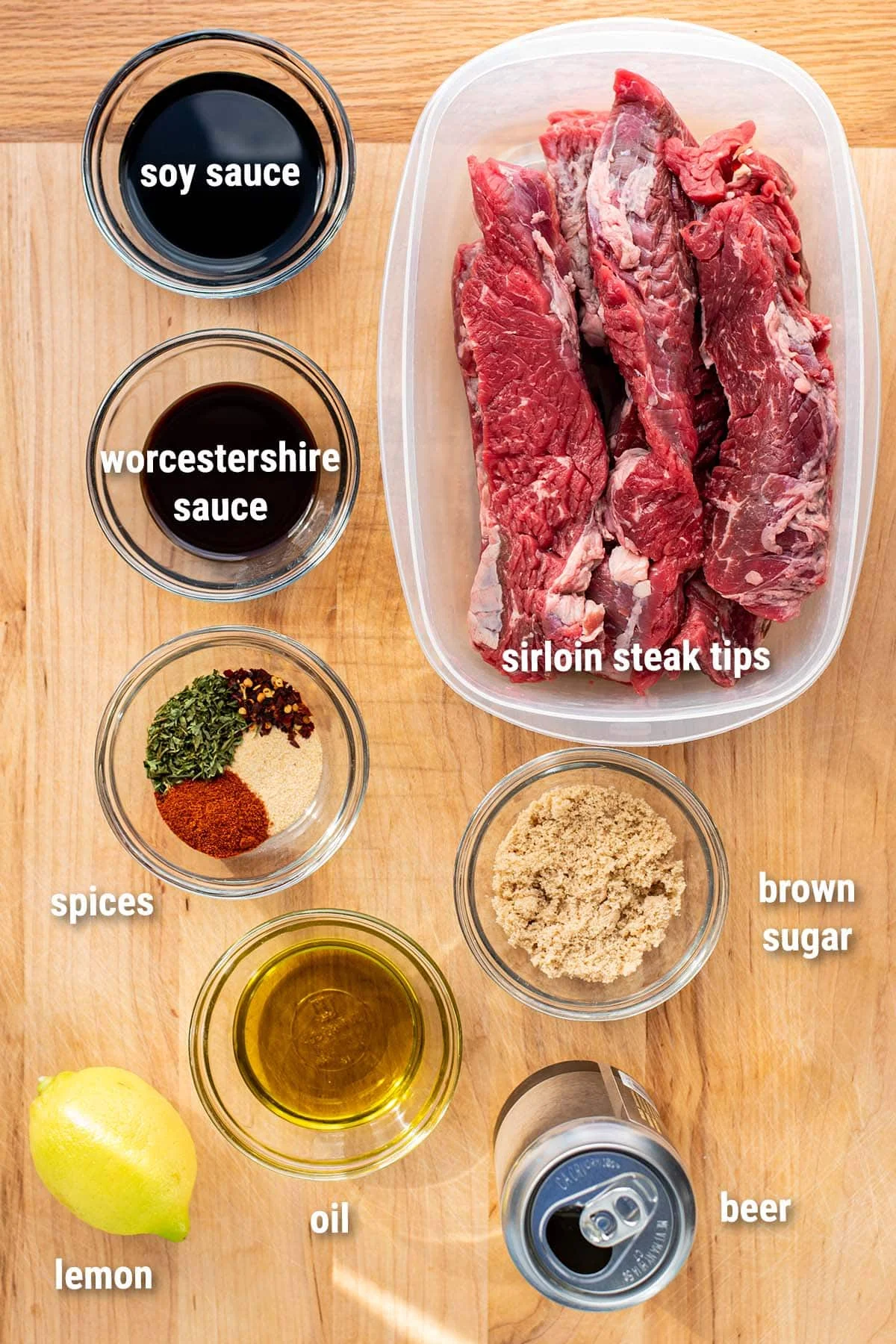
A successful marinade strikes a balance between acids, oils, herbs, and spices to tenderize and flavor the meat. Common acidic components include vinegar, citrus juice, or even yogurt, which help start the tenderizing process. Oils, like olive or canola, coat the meat and assist in flavor absorption while preventing it from drying out during cooking. Herbs such as rosemary, thyme, and parsley add aromatic complexity, while spices like black pepper, paprika, or garlic powder provide savory notes. The right blend of these ingredients transforms simple steak tips into a mouthwatering dish full of depth and richness.
Step-by-Step Guide to Marinating Steak Tips
Preparing the Steak Tips
Before marinating, trimming excess fat and silver skin from the steak tips is crucial for even flavor penetration and cooking. Cutting the tips into uniform sizes ensures they marinate evenly and cook with consistent doneness. For example, a restaurant chef will meticulously prepare the meat so every bite matches in texture and flavor, enhancing the overall dining experience. Rinsing the meat under cold water and patting it dry sets the stage for the marinade to truly cling and seep into the surface.
Choosing the Right Marinade for Tenderness
Not all marinades are created equal when it comes to tenderizing steak tips. Acidic bases like lemon juice or apple cider vinegar work well but must be balanced to avoid “cooking” the meat prematurely, as in ceviche. Enzyme-rich ingredients such as pineapple or papaya juice are natural tenderizers but should be used carefully because overexposure can lead to mushy textures. A marinade combining moderate acidity with oil and herbs usually delivers the best results. In one kitchen experiment, a mixture of balsamic vinegar, olive oil, garlic, and fresh thyme transformed simple steak tips into a dish with buttery tenderness and vibrant flavor.
Marinating Time: How Long is Long Enough?

The duration of marinating is directly tied to the ingredients used. A quick 30-minute soak in a mildly acidic marinade can impart noticeable flavor, suitable for a last-minute preparation. However, tougher steak tips benefit from marinating anywhere between 4 to 12 hours to achieve maximum tenderness. Over 12 hours, especially with strong acids or enzymes, risks breaking down the meat’s structure too much, leading to an undesirable mushy texture. Planning ahead, such as marinating overnight in the refrigerator, often yields the best balance between flavor infusion and tenderization.
Techniques to Maximize Flavor Infusion
Using Acids and Enzymes Effectively
Acids and enzymes are the secret weapons in marinades for tenderizing steak tips, but their handling requires some care. Acids like vinegar or citrus juice dissolve proteins on the surface, allowing the marinade to penetrate deeper. Enzymes from fruits like pineapple contain bromelain, which breaks down muscle fibers more aggressively. For instance, when grilling steak tips for a family reunion, using pineapple juice for up to four hours softened the meat wonderfully without losing its bite. The key is moderation — too much acid or too long exposure will leave the meat overly soft or tangy.
Incorporating Herbs and Spices
Herbs and spices contribute layers of flavor that complement the meat’s natural taste rather than overpower it. Fresh herbs like rosemary or oregano add bright, earthy notes, while spices such as smoked paprika or cracked black pepper introduce warmth and depth. Adding these ingredients towards the end of the marinating period can preserve their aromatic qualities. For example, a chef might add fresh garlic and thyme during the last hour of marination to keep their flavors vibrant, enhancing the final grilled result with a smoky herbal punch.
The Role of Oil and Salt in Marinades
Oil serves as a carrier for fat-soluble flavors and helps the marinade cling to the meat, creating a moist cooking environment. A light coating of oil before grilling also promotes an attractive sear and crust. Salt, meanwhile, is essential for seasoning but also aids in drawing moisture and flavor into the meat through osmosis. However, it’s important to choose the right type and amount of salt. Coarse kosher salt works well for even seasoning without overwhelming the meat. A practical example is marinating steak tips with a blend including olive oil and kosher salt, resulting in a juicy interior and well-seasoned bite without drying out the tips.
Common Mistakes to Avoid When Marinating Steak Tips
Over-marinating Pitfalls
One of the most frequent errors is leaving steak tips in the marinade too long. Acidic or enzymatic marinades can turn tenderizing into deterioration, leading to a mushy texture likened to overcooked meat. A home cook once shared their experience of marinating steak tips overnight in a pineapple-based marinade, only to find the meat falling apart on the grill. To prevent this, adhere to recommended marinating times depending on the ingredients involved and your desired texture.
Using the Wrong Ingredients
Not all ingredients suit steak tips equally. Strong acids or harsh alcohols can overly toughen or dry out the meat if misused. Similarly, highly salty or sugary bases might cause uneven cooking or excessive charring when grilled. For example, using undiluted soy sauce as a marinade without balancing its saltiness can make steak tips overly salty and tough. As a rule of thumb, marinate with a balanced combination of acid, oil, salt, and aromatic seasonings to complement and enhance the meat, rather than overpower it.
Cooking After Marinating for Optimal Results
Best Cooking Methods for Marinated Steak Tips
Grilling is a popular choice for cooking marinated steak tips, providing a smoky char that complements the marinade’s flavors. Pan-searing also works well, especially when cooking indoors; it allows precise temperature control to achieve a browned crust while keeping the inside tender. Another technique is broiling, which mimics grill heat and caramelizes the marinade sugars quickly. Remember that marinated steak tips cook faster due to the tenderizing effects, so monitoring doneness closely prevents overcooking. In casual grilling scenarios, flipping the tips frequently helps achieve even cooking and prevents burning.
Resting and Serving Tips
After cooking, resting the steak tips for five to ten minutes lets the juices redistribute, ensuring each bite remains juicy rather than dry. Tent the meat loosely with foil to retain warmth without steaming. Serving steak tips alongside complementary sides like grilled vegetables or fresh salads enhances the meal’s balance. Additionally, offering extra marinade-based sauce on the side can boost flavor intensity for those who want an extra punch. Remember, a well-marinated, properly rested steak tip is a testament to patience and technique that elevates a simple cut into something memorable.


