

Choosing the Right Equipment for Outdoor Steak Grilling Without Gas
Alternative Grill Types: Charcoal, Pellet, and Electric Options
When you don’t have a gas grill, there are several excellent alternatives for outdoor steak grilling. Charcoal grills remain a favorite due to their ability to add smoky, rich flavors that gas grills can’t replicate. Pellet grills offer convenience and flavor with wood pellets supplying consistent heat and a subtle smoky taste. For those seeking an easier setup, electric grills provide a clean, low-maintenance option, although they may lack the depth of flavor from natural fuels.

Each type brings different heat management challenges and flavor profiles, so choose based on your flavor preference and how much time you’re willing to invest in preparation.
Must-Have Tools: Thermometers, Tongs, and Heat-Resistant Gloves
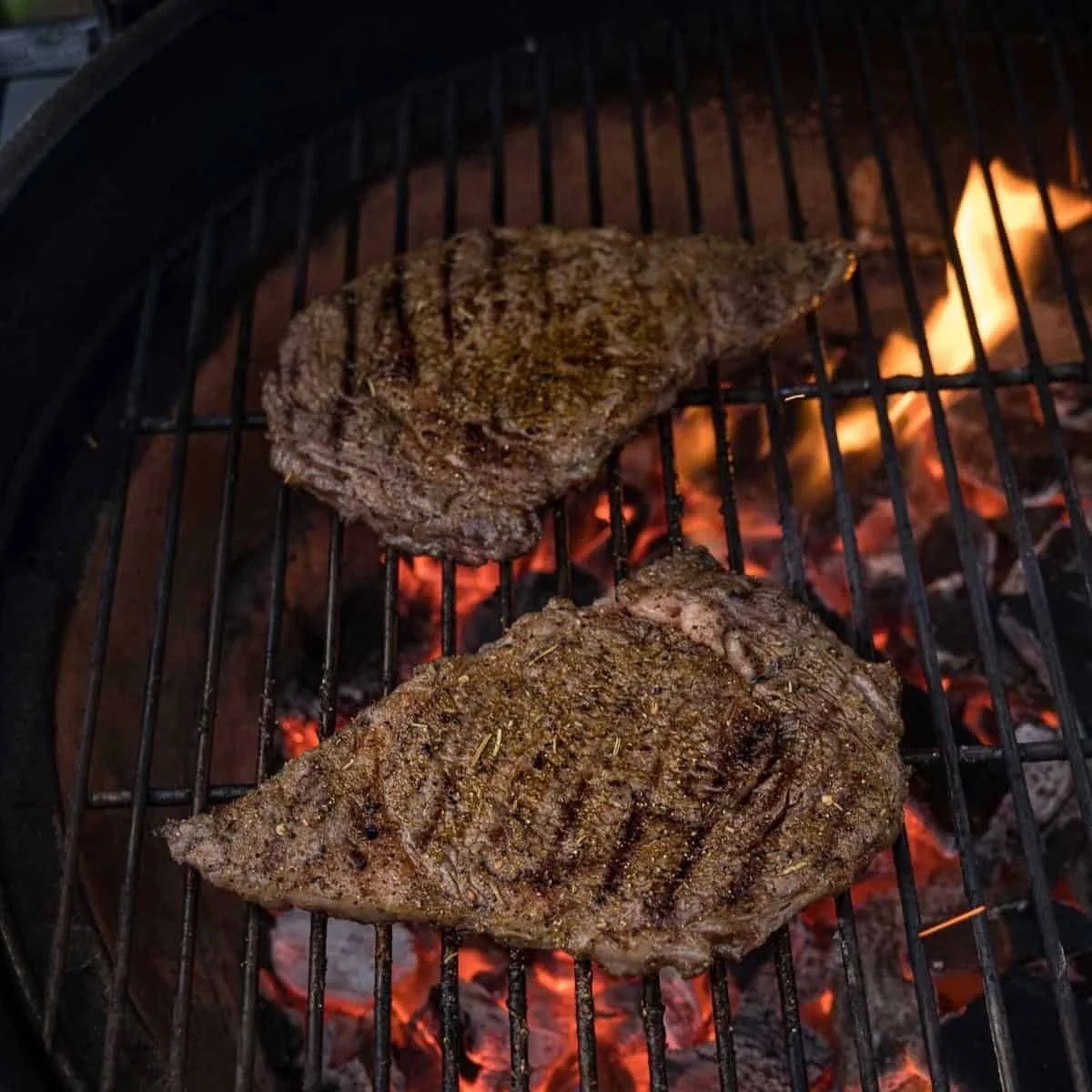
Grilling without a gas flame demands precise control and safety. A reliable meat thermometer is essential to ensure your steak is cooked to the desired doneness without guesswork. Long-handled tongs provide better control when flipping steaks and prevent burns. Heat-resistant gloves protect your hands from the high temperatures when managing coals or adjusting grates. These tools together make the grilling process smoother and safer.
Preparing Your Steak for Maximum Flavor
Selection Tips: Best Cuts for Charcoal and Wood Grilling
Choosing the right steak cut is key for grilling success. Thicker cuts like ribeye, striploin, or T-bone work well with charcoal and wood-fire grilling, as they withstand higher heat and develop a flavorful crust. These cuts have enough fat marbling to keep the meat juicy when exposed to intense cooking temperatures. Avoid thinner cuts which may dry out quickly without the gentler heat control gas grills offer.
Marinades, Rubs, and Seasoning Techniques
Simple seasoning can shine on a good steak. Salt and freshly ground pepper remain the classic choice for enhancing natural beef flavor. For added complexity, dry rubs with paprika, garlic powder, and herbs can be applied before grilling. Marinades are best reserved for tougher cuts; they tenderize and infuse flavor but should be balanced to avoid overpowering the steak. Always pat the steak dry before seasoning to promote a proper sear.
Setting Up Your Grill for Optimal Heat Management
Mastering the Two-Zone Fire Setup
Achieving even cooking over a charcoal or wood grill without gas involves creating a two-zone fire. One side holds hot coals for direct searing, while the other remains cooler for indirect cooking. This setup allows you to sear your steak quickly and then move it to the cooler side to finish cooking gently. Mastering this will reduce flare-ups and prevent burning while reaching the perfect internal temperature.
Using Natural Fuels: Charcoal, Wood Chips, and Their Effects on Flavor
Natural fuels contribute deeply to the flavor landscape of your steak. Lump charcoal burns hotter and cleaner than briquettes, making it ideal for intense searing. Adding wood chips in small amounts introduces a smoky aroma without overwhelming the meat. Different woods—like hickory, mesquite, or apple—impart unique tastes, so experimenting with these can elevate your grilling game. Remember to soak wood chips beforehand to control the smoke levels.
Step-by-Step Guide to Grilling Steak Over Open Flame
Preheating and Oil Application
Begin by preheating your grill until the coals are covered with white ash, indicating a steady high heat. Clean the grate thoroughly to avoid sticking. Lightly oil the steak or brush the grill grates with oil to promote a good sear and easy release. Avoid excessive oil which can cause flare-ups and burnt spots. Proper preparation ensures even cooking and the desired crust on your steak.
Timing and Flipping: Avoiding Common Mistakes
Place the steak on the hot side and resist the temptation to flip it frequently. Allow a crust to develop, usually after 3 to 5 minutes, then flip once to cook the other side. Use a thermometer to monitor internal temperature rather than cutting into the meat, which releases juices. Overcooking is a common error; removing the steak just before the target temperature accounts for carryover cooking during resting.
Resting and Serving Your Steak Perfectly
Resting your steak for 5 to 10 minutes after grilling redistributes the juices, ensuring a moist bite. Tent the steak loosely with foil during this period to retain warmth. Slice against the grain to maximize tenderness. Serving your steak with a sprinkle of finishing salt or a dollop of butter enhances flavor. Proper resting is the final step that elevates a good steak to a great one.
Creative Sides and Sauces to Complement Outdoor-Steak Feasts
Easy Grilled Vegetables and Salads
Grilled vegetables like asparagus, bell peppers, and zucchini complement the robust flavors of steak beautifully. Toss vegetables lightly in olive oil, season with salt and pepper, and grill alongside your steak for a charred finish. Fresh salads with tangy vinaigrettes provide a bright contrast and balance the richness of the meat.
DIY Steak Sauces Without a Gas Grill
Even without a gas grill, homemade sauces can enhance your meal. Simple mixtures like chimichurri, made from parsley, garlic, olive oil, and vinegar, add fresh herbs and acidity. A red wine reduction or a butter-based garlic and herb sauce can be prepared on a portable stove or campfire. These sauces offer variety and allow you to tailor flavor profiles to your preference.


