

Introduction to Using Wood Chips in Vertical Water Smokers
Why Wood Chips Matter for Smoking
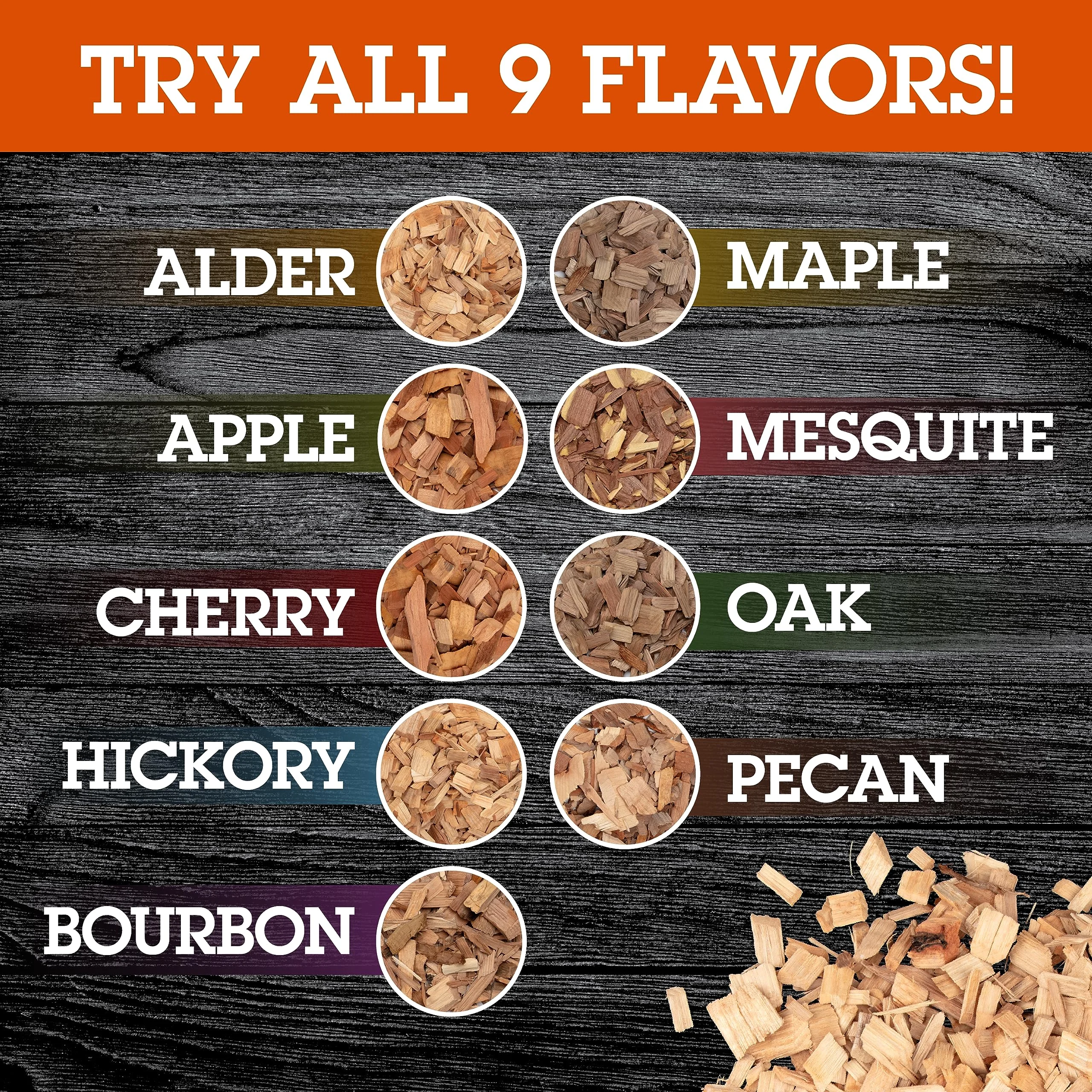
The choice of wood chips is a crucial factor in achieving the perfect smoky flavor when using a vertical water smoker. Wood chips release aromatic smoke that penetrates the meat, enhancing its taste and aroma. Different types of wood impart varying flavors, making it essential to select the right wood chips tailored to the type of meat being smoked. Overlooking this aspect can result in bland or off-flavored barbecue, which is why understanding wood chip profiles is fundamental to elevating your smoking experience.
Overview of Vertical Water Smoker Mechanics
A vertical water smoker operates by heating wood chips placed near the heat source, producing smoke that circulates vertically around the meat racks. The water pan in the smoker maintains a moist environment, preventing the meat from drying out during the long smoking process. This design also helps regulate temperature and smoke density. Because smoke generation depends heavily on wood chip combustion, the quality and type of wood chips directly influence how well the smoker performs and the flavor intensity infused into the meat.
Characteristics of Different Wood Chips
Hardwood vs. Fruitwood: Flavor Profiles
Understanding the difference between hardwood and fruitwood chips is key to making informed smoking decisions. Hardwoods, such as hickory, mesquite, oak, and pecan, are known for their robust and bold smoke flavors. These woods are ideal for meats that can handle intense, smoky tastes without being overwhelmed. On the other hand, fruitwoods like apple and cherry produce a lighter, sweeter, and more delicate smoke. These subtle flavors are especially preferred when smoking leaner meats or those with more sensitive palates, such as poultry and fish.
Common Wood Chips Used in Smoking
Among the most frequently used wood chips are hickory, apple, cherry, mesquite, oak, maple, and pecan. Hickory is prized for its strong, bacon-like flavor, making it a go-to for many barbecue enthusiasts. Apple and cherry wood provide sweeter, fruity notes that enhance rather than overpower the natural meat flavor. Mesquite offers a very intense and earthy smoke, often used sparingly or mixed with milder woods to prevent bitterness. Oak and pecan strike a balance, delivering medium-intensity smoke suitable for various meats, while maple imparts a mild and slightly sweet atmosphere perfect for delicate proteins.
Pairing Wood Chips with Various Meats
Best Wood Chips for Beef
Beef typically benefits from bold smoke flavors that complement its rich, hearty taste. Hickory, mesquite, oak, and pecan wood chips are among the best options to bring out the savory depth in beef. The problem arises when choosing a smoke flavor that either overpowers or underwhelms the beef. Hickory and mesquite provide strong, intense flavors, which are ideal for brisket or ribs but may be too much for more subtle cuts. Oak and pecan offer versatility, delivering a balanced smoke that enhances without dominating. Selecting the right chip according to the beef cut and desired intensity can dramatically improve your barbecue results.
Ideal Wood Choices for Pork
Pork’s natural sweetness pairs wonderfully with fruitwood and certain hardwood chips. Apple, cherry, hickory, and maple are excellent choices, each enhancing the meat’s flavor in unique ways. The challenge is avoiding overpowering the pork’s subtle notes with too strong a smoke. Fruitwoods like apple and cherry provide a sweet, mild smokiness that complements tender cuts such as pork shoulder or loin. Hickory adds a richer, more assertive flavor that works beautifully with fattier or smoked sausage varieties. Maple’s gentle sweetness rounds out the options, delivering delicate smoke that elevates without masking the meat’s essence.
Optimizing Flavor in Poultry Smoking
Poultry’s mild and tender profile demands a careful balance to ensure smoke enriches rather than overwhelms. Apple, cherry, hickory, and pecan wood chips are best suited for poultry. Fruitwoods like apple and cherry offer a light, sweet smoke that enhances chicken or turkey without imparting harshness. Hickory can be effective but should be used sparingly to prevent bitterness. Pecan provides a nutty, medium-strength smoke ideal for adding complexity without overpowering. The key is to tailor wood chip selection to the poultry’s fat content and cooking duration, ensuring the smoke complements every bite.
Wood Chip Recommendations for Fish and Seafood
Fish and seafood require gentle smoke flavors to avoid masking their delicate taste. Maple and oak wood chips are ideal for these proteins, providing mild, sweet smoke that enhances natural flavors. Many beginners mistakenly use cedar for smoking fish; however, cedar should only be used in plank grilling, as its smoke can often turn bitter and unpleasant. Using the wrong wood chip, such as softwoods or overly strong hardwoods, can result in toxic or bitter smoke that ruins seafood dishes. Choosing soft-flavored wood chips like maple ensures a clean, enjoyable smoky experience.
Preparing and Using Wood Chips in a Vertical Water Smoker
Soaking Techniques and Their Impact
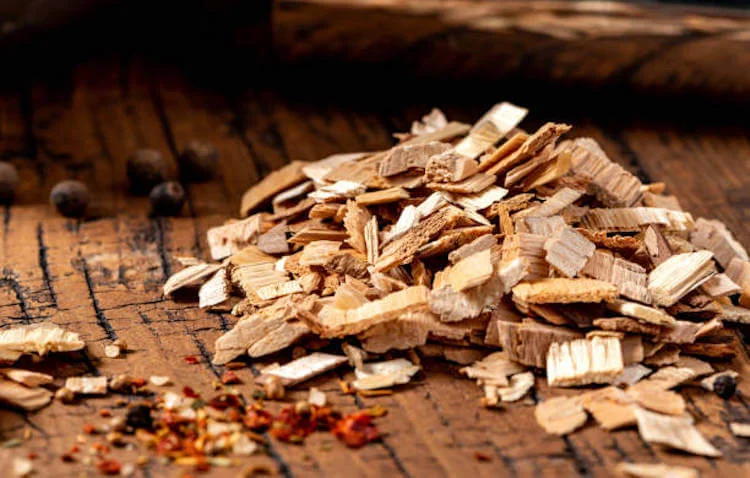
Many smokers automatically soak their wood chips before use, believing it prolongs smoke production. While soaking can prevent chips from burning too quickly, it may also reduce smoke intensity and delay the start of smoke generation. In a vertical water smoker, the water pan already provides humidity, so soaking wood chips is optional and often unnecessary. Instead, using dry wood chips may result in a stronger, cleaner smoke. The problem with over-soaking is that wet chips can produce excessive steam, diluting smoke flavor and potentially leading to uneven smoke distribution.
Wood Chip Quantity and Placement Tips
Using too many wood chips can create overpowering smoke, while too few result in weak flavors. The ideal quantity varies depending on the meat type, smoking time, and the smoker’s heat output. Wood chips should be placed close to the heat source for consistent smoldering but away from direct flames to avoid quick ignition and bitterness. In a vertical water smoker, positioning chips on the dedicated smoking tray or box beneath the meat and above the water pan ensures optimal smoke flow. Balancing chip quantity and placement is essential to maintaining a steady smoke layer that infuses flavor evenly throughout the cooking process.
Troubleshooting and Enhancing Smoke Flavor
Avoiding Common Wood Chip Burning Issues
One frequent problem when smoking is wood chips burning too fast or producing bitter smoke. This often happens when using softwood chips like pine or cedar, which contain resinous compounds that create unpleasant flavors and even toxic smoke. Another pitfall is using cedar wood for direct smoke, which should be reserved for cedar planking methods instead. Ensuring proper chip selection and controlling airflow in the smoker help prevent overheating and uncontrolled combustion. Adjusting smoker vents and managing chip quantity can mitigate burning issues and deliver a smoother smoke profile.
Combining Different Wood Chips for Unique Taste
Experimentation with blending wood chips can solve the challenge of monotony in smoke flavor. Combining hardwood and fruitwood types allows for customized profiles that suit specific meat cuts or personal preferences. For example, mixing hickory with apple chips creates a balance of bold and sweet smoke, perfect for pork or poultry. However, it is important to test proportions carefully, as overly heavy combinations may overshadow the meat’s natural flavors. Small-scale trial and error can help identify the ideal mixture, broadening the range of smoky notes available to the backyard pitmaster.
Conclusion: Selecting the Perfect Wood Chip for Your Meat
Choosing the right wood chips for smoking in a vertical water smoker involves understanding the meat type, wood flavor profiles, and smoker mechanics. Avoiding common mistakes such as using softwoods or failing to experiment limits the potential of your smoking endeavors. By aligning wood chip selection with the characteristics of beef, pork, poultry, or seafood, and applying proper preparation techniques, you can craft deeply flavored, memorable barbecue. Ultimately, thoughtful wood chip choice transforms ordinary smoked meat into a gourmet experience with every cook.


