

Introduction to Custom Wall Art
Why Create Your Own Wall Art?
Creating your own wall art allows for a unique expression of personal style and creativity. It transforms any space with pieces that reflect your taste and memories. DIY art is not only fulfilling but also cost-effective compared to purchasing ready-made designs.
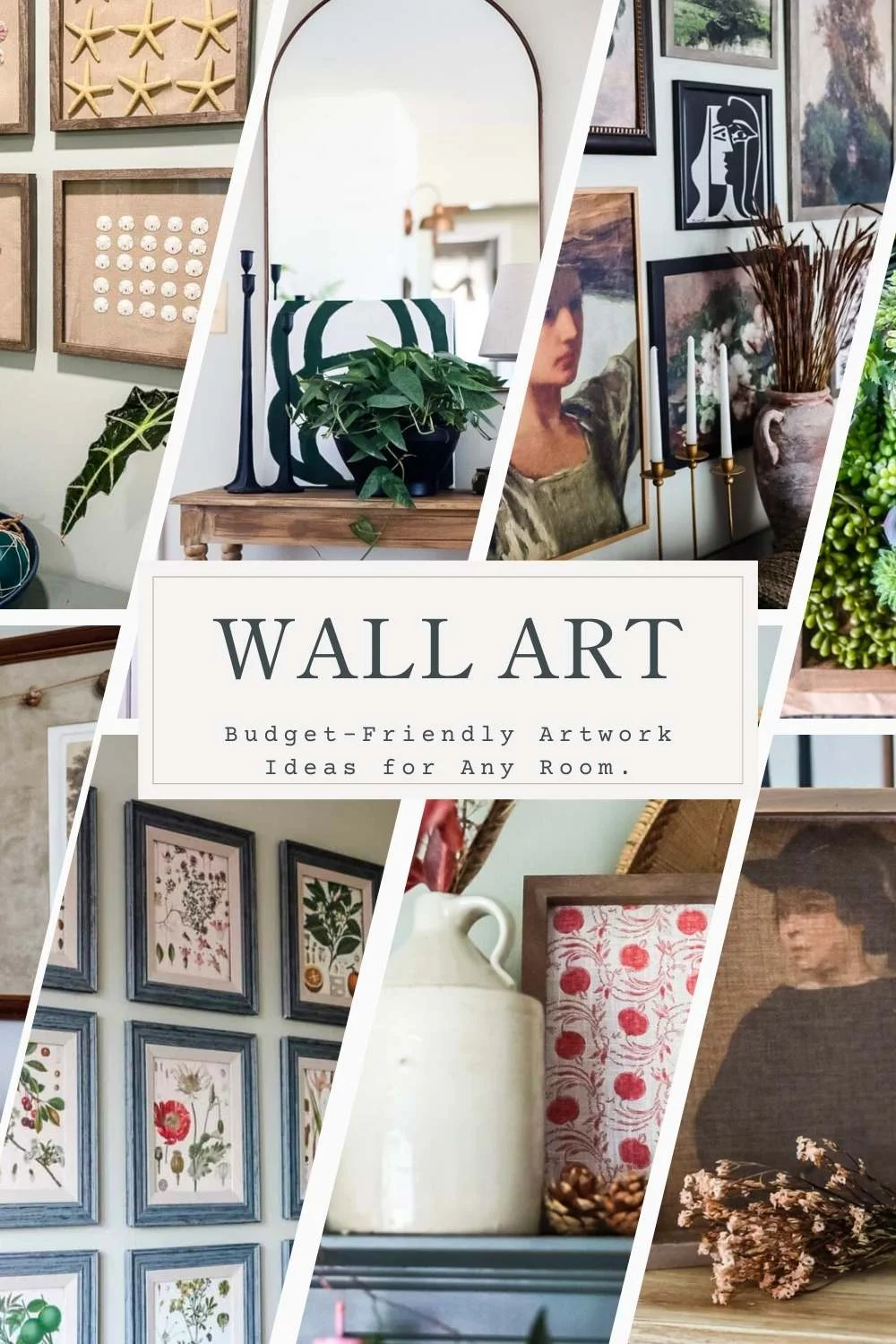
Custom projects can reduce stress and inspire relaxation, especially when incorporating imagery from nature or loved ones. This personal touch makes your space feel truly yours.
Overview of Affordable Materials
Affordable materials such as wood panels, canvases, textiles, and paper are widely accessible and versatile. These materials offer endless possibilities to experiment with texture, color, and form without a heavy investment.
Watch the Tutorial
Supplies can be sourced from thrift stores, discount art supply shops, or even repurposed household items. Tools like painter’s tape help achieve clean edges, while simple methods like microwaving flowers can create interesting effects.
Planning Your Wall Art Project
Choosing the Right Design
Start by selecting a design that resonates with your space and personal aesthetic. Consider the location early on to help shape your inspiration. For instance, larger pieces work well behind couches or over beds, while smaller multi-piece sets create dynamic focal points.
Mixed media arrangements using three, six, or nine pieces offer a modern and visually engaging display. Think about themes or color palettes that connect with the room’s ambiance.
Measuring and Preparing Your Space
Accurate wall measurements are essential before gathering materials or ordering custom sizes. Knowing the exact area allows you to plan scale and placement effectively, avoiding awkward gaps or overcrowding.
Environmental factors should also be considered. For example, if the artwork will be in a sunlit area or near moisture, select materials that can withstand those conditions to ensure longevity.
Materials and Tools Checklist
Budget-Friendly Supplies
Begin with essentials like canvases or wooden bases, which are often inexpensive at thrift or art stores. Paints, paper, and textiles can be acquired without breaking the bank.
Look for pre-cut or split packages when working with images to create series or clusters easily. This approach maximizes resources and adds cohesion to your work.
Essential Tools for Beginners
A basic assortment includes painter’s tape for clean lines, brushes of various sizes, and adhesive options suitable for different materials. Simple household items, such as stencils, can introduce patterns and textures without requiring complex tools.
For personalized projects, paper cutting machines and vinyl materials offer advanced customization but are optional for beginners.
Step-by-Step Guide to Crafting Custom Wall Art
Preparing Your Canvas or Base
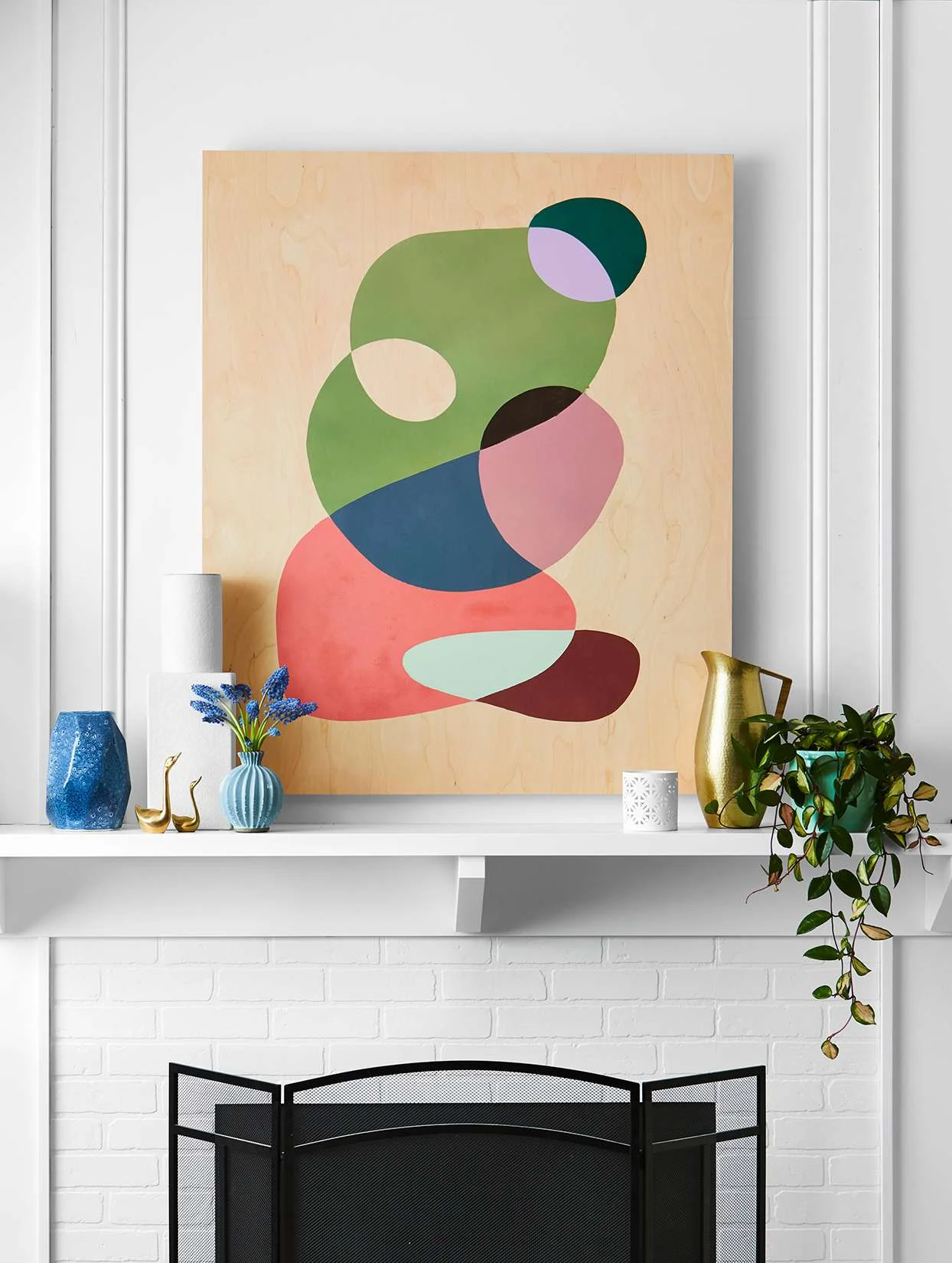
Start by cleaning and priming your surface to ensure paint adherence. Painter’s tape can be applied for geometric shapes or color blocking. Imperfections in these designs add character, so embrace the handmade look.
For natural materials like flowers or butterflies, press and prepare them carefully. Slight bending of butterfly wings before framing imparts a subtle 3D effect, enhancing visual appeal.
Applying Paints, Textures, and Finishes
Mix paint with water to create watercolor or gradient effects. Adding a secret ingredient like a texturizing medium can enhance depth. Layering different finishes can bring richness to your piece without overcomplicating the process.
Be mindful of drying times and avoid heavy application to reduce the chance of drips or smudges.
Adding Personal Touches with Mixed Media
Incorporate various materials such as textiles, paper cut-outs, or found objects to make the artwork distinct. Using free templates or SVG files can simplify intricate paper designs and add professionalism.
Combining media forms invites creativity and results in truly one-of-a-kind pieces that stand out.
Creative Techniques Using Everyday Items
Recycling and Upcycling for Art
Repurpose old frames, fabric scraps, or discarded canvases to give them new life. This approach saves money and reduces waste.
Pressed flowers or nature elements collected outdoors can add organic beauty and uniqueness to your art.
Using Stencils and Household Tools
Stencils help replicate patterns and enhance design consistency. Found objects like sponges or combs can create textured effects with paint, expanding creative possibilities without buying specialty tools.
Mounting and Displaying Your Artwork
Framing Options on a Budget
DIY framing solutions such as floating canvases or drilling with standoffs add sophistication without high costs. Using pre-set clusters can simplify hanging multiple pieces as a cohesive series.
Consider lightweight materials to ease installation, especially in rental spaces.
Placement Tips to Enhance Your Space
Large-scale art makes a statement over couches, beds, or dining areas. Smaller series work well in galleries or hallways. Think about lighting and sightlines to maximize impact.
Arranging pieces thoughtfully enhances room balance and invites positive attention.
Troubleshooting Common Beginner Mistakes
How to Fix Paint Smudges and Drips
If paint drips or smudges occur, wait for drying before carefully sanding or painting over. Using controlled brush strokes and proper drying times prevents most issues.
Maintaining Durability and Longevity
Choose materials suited to the environment to avoid damage. Seal artwork when needed to protect surfaces, especially if exposed to sunlight or humidity.
Planning and measuring upfront reduce wasted resources and improve final presentation.
Conclusion: Embracing Creativity and Personal Style
Creating custom wall art is an accessible and rewarding experience for beginners. Using affordable materials and straightforward techniques, anyone can transform spaces with personal flair.
Allow imperfections and experimentation to guide your process. The result will be more than decoration—it will be a reflection of your creativity and style.


