

Introduction to Faucet Leaks
Why Faucets Leak: Understanding the Basics
Faucet leaks are a common household issue that can cause annoyance and waste significant water over time. The most frequent culprit behind these leaks is a worn-out washer. Washers create a seal inside the faucet to prevent water from flowing when valves are closed. Over time, constant friction and water pressure degrade these washers, leading to drips or steady leaks. Understanding these basics helps you address leaks early and avoid bigger plumbing problems.
Signs You Need to Replace a Washer
Identifying when a washer replacement is necessary can save you money and prevent water damage. Common signs include persistent dripping from the spout, water pooling under the faucet, or difficulty turning the handle smoothly. If you notice increased water bills without obvious usage changes, a leaking faucet washer could be the cause. Quick action at this stage ensures your faucet operates efficiently and conserves water.
Tools and Materials Needed for Washer Replacement
Essential Tools for Beginners
Before starting, gather basic tools like an adjustable wrench, screwdriver set, and pliers. These tools are usually sufficient for removing faucet handles and accessing washers, especially in compression-type faucets. Having a small container to keep screws and parts organized is also helpful. Depending on your faucet type, you may need additional tools, but beginners often find these essentials adequate.
Watch the Tutorial
Choosing the Right Replacement Washers
Selecting the correct washer size and type is crucial for a successful repair. Washers vary in diameter and thickness, matching specific faucet models. If unsure, remove your old washer and use it as a reference to buy a perfect match. Some faucets, like cartridge or ball types, may use washerless designs and require specific repair kits. Knowing your faucet type ensures you get compatible parts for lasting results.
Step-by-Step Guide to Replacing a Faucet Washer
Preparing the Work Area and Shutting Off Water Supply
Start by turning off the water supply to prevent flooding. Locate the shut-off valves under the sink and close them. Open the faucet to release any remaining water and pressure. This step is essential for safety and a smooth repair process. Clear the area beneath the sink, lay down a towel, and organize your tools within easy reach.
Disassembling the Faucet Handle and Stem
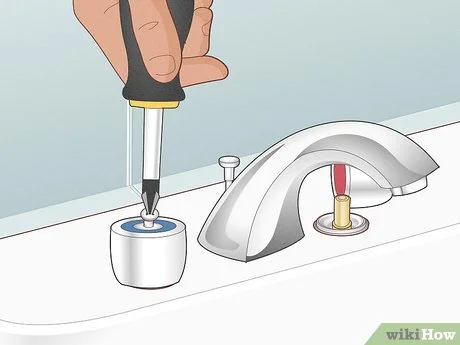
Remove any decorative caps to expose screws on the faucet handle. Use a screwdriver to loosen and remove them carefully. Gently pull the handle off, revealing the stem assembly. Depending on your faucet type, you may need to unscrew or pull out the stem. Patience is key here; forcing parts can cause damage. Take note of each component’s position to aid reassembly.
Removing the Old Washer
At the base of the stem, you’ll find the washer secured with a screw. Unscrew it with a screwdriver and remove the worn washer. Examine the washer for cracks, hardness, or flattening to confirm it’s the leak source. Also, check for sediment buildup or corrosion that might affect sealing. Cleaning these areas before installing the new washer improves your faucet’s functionality.
Installing the New Washer and Reassembling the Faucet
Place the new washer in position and secure it firmly with the screw. Reinsert the stem into the faucet body, ensuring it aligns correctly. Replace the handle and tighten screws carefully without overtightening. Once reassembled, slowly open the water supply and test the faucet. Check for leaks or handle stiffness and make minor adjustments if needed. Proper reassembly ensures smooth operation and leak-free performance.
Tips to Prevent Future Leaks
Regular Maintenance Practices
Preventing leaks is easier with simple maintenance steps. Periodically clean faucet components to remove mineral deposits and buildup. Avoid using excessive force on handles, which wears washers prematurely. Monitor water pressure, as unusually high pressure stresses fixture components. Routine checks help detect minor issues before they escalate into significant leaks or damage.
When to Call a Professional
While washer replacement is doable for many beginners, certain situations call for expert help. If you cannot identify your faucet type, lack the right parts, or face complicated plumbing setups, contact professionals like Rocket Plumbing. Persistent leaks, damaged pipes, or corrosion beyond the washer also require specialized tools and expertise. Prioritizing safety and quality ensures your plumbing remains reliable and efficient.


