

Introduction to Mindful Eating
Understanding Mindful Eating and Its Benefits
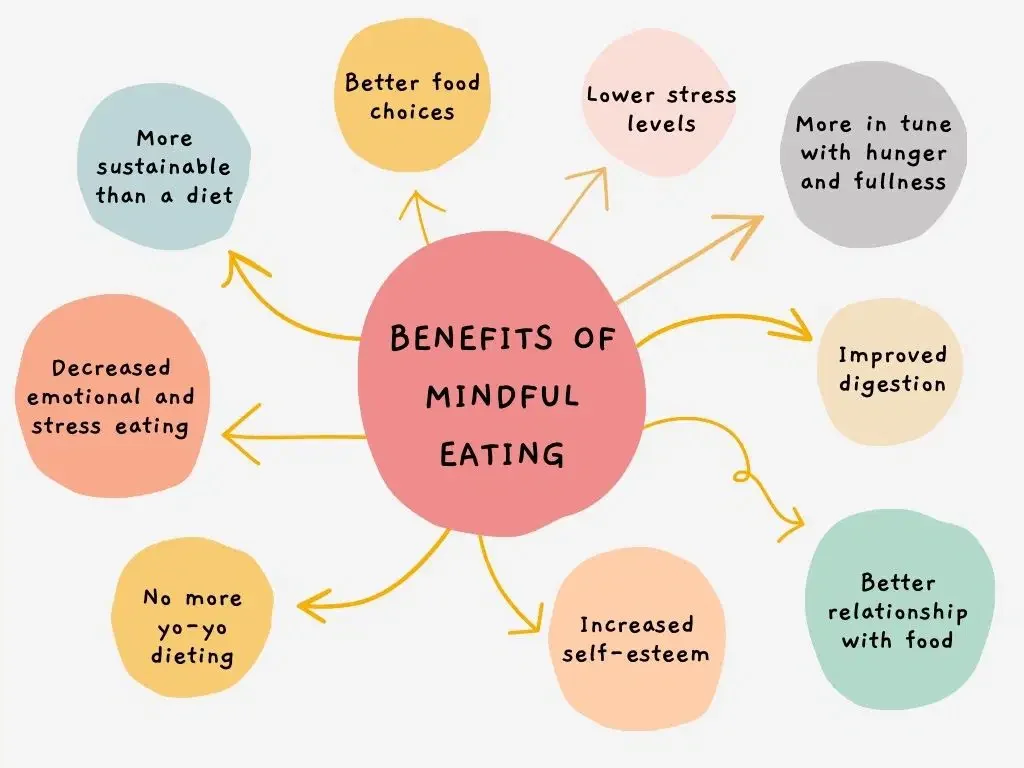
Mindful eating is more than just focusing on the food in front of you—it’s about bringing full awareness to the experience of eating. This means paying attention to your body’s hunger signals, the flavors and textures of your food, and the emotions that surface while you eat. Instead of rushing through meals or eating on autopilot, mindful eating encourages slowing down and truly savoring each bite. The benefits go beyond enjoyment; it can transform your relationship with food and promote better health.

How Mindful Eating Supports Digestion and Weight Management
Eating mindfully can improve digestion by allowing your digestive system to work more efficiently. When you eat slowly and chew thoroughly, your body has more time to signal fullness and properly break down food. This reduces common issues such as bloating and indigestion. On the weight management front, mindful eating helps you recognize true hunger and fullness cues, which prevents overeating. By tuning in to your body’s needs, you naturally make healthier choices and avoid emotional eating that often leads to weight gain.
Preparing Yourself for Mindful Eating
Setting Realistic Goals and Expectations
Starting a mindful eating practice is exciting, but it’s important to set achievable goals. This isn’t about being perfect or rigid with every bite. Instead, think of mindfulness like exercise—every little bit counts and builds over time. Expect some slip-ups, especially when old habits kick in. The key is progress, not perfection. Setting realistic expectations helps you stay motivated without feeling overwhelmed or discouraged.
Creating a Distraction-Free Eating Environment
One of the biggest obstacles to mindful eating is distraction. Eating while watching TV, scrolling through your phone, or working can prevent you from truly connecting with your meal. To prepare, create a calm and distraction-free space. This might mean turning off electronic devices or simply sitting down at a table instead of eating on the go. When you dedicate time and space to your meal, it becomes easier to pay attention to your food and your body’s signals.
Step-by-Step Guide to Practicing Mindful Eating
Step 1: Recognize Hunger and Fullness Cues
The first step in mindful eating is tuning into your body’s hunger signals before you eat. Ask yourself if you are genuinely hungry or eating out of boredom, stress, or habit. Similarly, during the meal, pause occasionally to assess your fullness level. Learning to recognize these cues helps prevent overeating and supports healthier decisions.
Step 2: Engage Your Senses Before Eating
Before you take the first bite, take a moment to notice the aroma, color, and texture of your food. Engaging your senses prepares your body for digestion and creates a deeper appreciation for your meal. This simple practice can slow down your eating pace and enhance your overall eating experience.
Step 3: Eat Slowly and Chew Thoroughly
Slowing down is vital. Take smaller bites and chew your food well to aid digestion. Eating slowly allows your brain time to receive signals from your stomach about fullness. This not only improves digestion but also helps you recognize when you’ve had enough, reducing the chance of overeating.
Step 4: Focus on the Taste, Texture, and Smell
As you eat, really savor the flavors and textures. Notice how sweet, salty, or spicy each bite is, and how the food feels in your mouth. Focusing on these sensory experiences can bring more enjoyment and satisfaction to your meals, making it easier to stop when you feel content.
Step 5: Reflect on Your Emotional Responses to Food
Food often carries emotional weight. After eating, take a few moments to check in with yourself. Did the meal comfort you, energize you, or perhaps leave you feeling guilty? Understanding your emotional responses helps you distinguish between eating for nourishment and eating for emotional reasons. This awareness is key to developing a healthier relationship with food.
Overcoming Common Challenges in Mindful Eating
Dealing with Emotional Eating
Emotional eating can be a major hurdle. Often, food becomes a quick fix for stress, sadness, or boredom. To combat this, start by recognizing when you’re eating for emotional reasons instead of hunger. Try to identify your feelings and find alternative ways to address them, such as talking to a friend, journaling, or engaging in relaxation techniques. Mindful eating helps you pause and question the urge to eat, creating space for thoughtful choices.
Managing Eating Out and Social Situations Mindfully
Eating mindfully in social settings or restaurants can be tricky. With distractions and social pressures, it’s easy to slip into mindless eating. One helpful approach is to begin mindful eating before you even order—consider your choices carefully and opt for meals that align with your health goals. While dining, focus on your food and the company, putting away devices. Remember, it’s okay not to be perfectly mindful every moment; simply being aware more often brings positive change.
Benefits of Mindful Eating for Long-Term Health
Improvement in Digestive Health
Practicing mindful eating consistently supports a healthier digestive system. Chewing well and eating slowly reduces the workload on your stomach and intestines. This can minimize discomfort like gas, bloating, and indigestion. Over time, mindful eating trains your body to better process nutrients and maintain gut balance, which is essential for overall well-being.
Effective Weight Management through Awareness
Weight management becomes more natural with mindful eating. By becoming aware of your hunger and fullness signals, you’re less likely to overeat or choose foods purely out of emotional need. This awareness encourages balanced meals and healthier food selections, helping you maintain or reach your ideal weight in a sustainable way without strict dieting or deprivation.
Additional Tips and Resources
Apps and Tools to Support Mindful Eating Habits
If you’re looking for extra support, several apps can guide your mindful eating journey. These tools often include reminders to slow down, log hunger cues, or provide guided exercises focused on awareness. Using such resources can keep you on track, especially when starting out or during challenging moments.
Recommended Books and Courses
For deeper learning, explore books that delve into mindful eating practices or consider courses that offer structured guidance. These can provide valuable insights and techniques beyond the basics, helping you to cultivate a lasting mindful eating habit. Investing time in education empowers you to make mindful eating an enjoyable and integral part of your lifestyle.


