

Understanding Mindfulness in the Context of a Busy Life
Definition and Core Principles of Mindfulness
Mindfulness, at its essence, is the practice of being fully present in the moment with a non-judgmental and compassionate awareness. Imagine waking up and instead of immediately grabbing your phone, you pause to notice the sensation of your breath, the softness of your sheets, and the sounds around you. This simple shift in awareness—observing rather than reacting—forms the foundation of mindfulness.
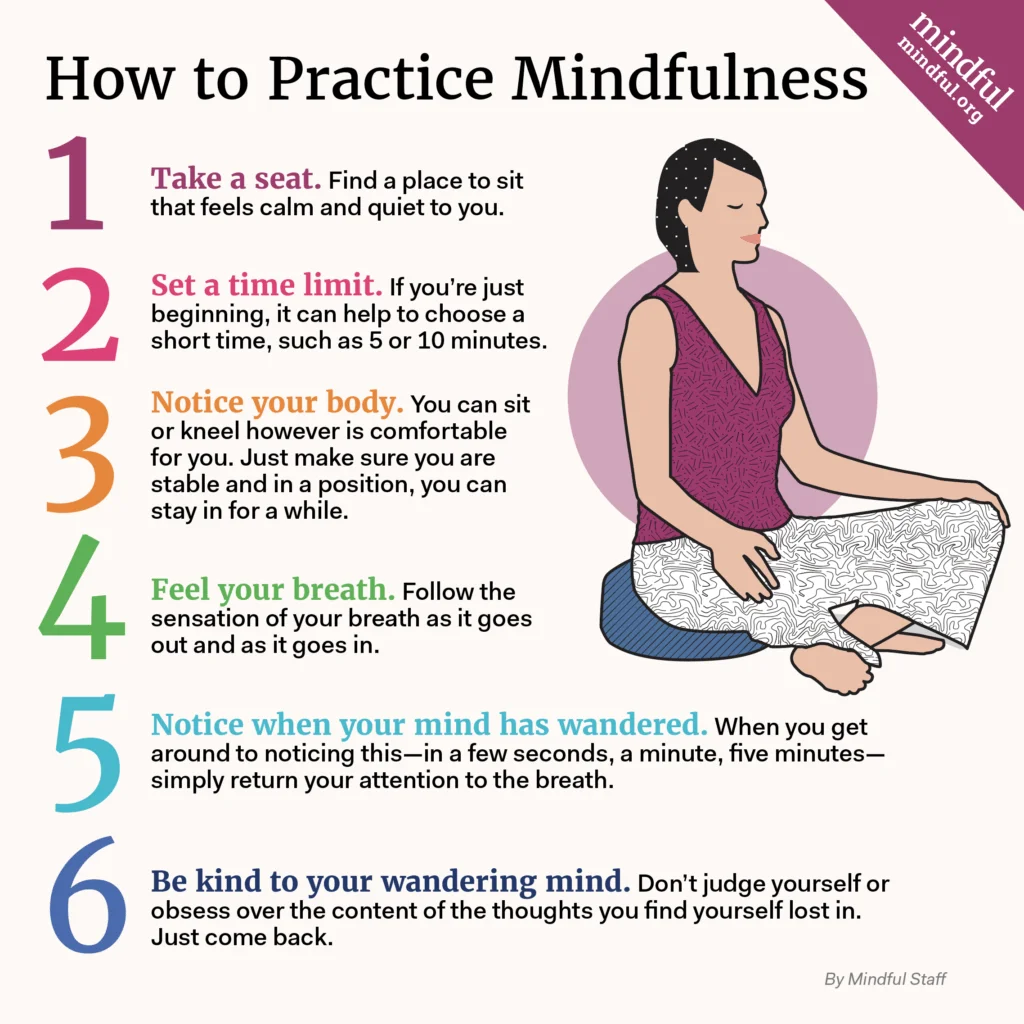
Core principles include paying attention intentionally, accepting experiences without resistance, and cultivating kindness towards oneself. These guideposts help anyone, even those with the busiest schedules, find moments of calm amid the chaos.
The Impact of Modern Busyness on Mental Health
In today’s fast-paced environment, constant connectivity and endless to-dos take a toll on mental health. A corporate manager once shared how her nonstop email checking caused persistent anxiety and inability to focus. The mental clutter made it harder to complete tasks efficiently, fueling a vicious cycle of stress and overwhelm.
This widespread busyness often leads to burnout, sleep disruption, and strained relationships. Recognizing this, mindfulness offers a counterbalance—a way to pause the mental treadmill, recharge focus, and reduce stress before it accumulates.
Quick and Effective Mindfulness Practices for Daily Use
Morning Mindfulness Rituals to Set a Balanced Tone
Starting the day mindfully can profoundly influence how stress is managed. Instead of diving into emails or social media, try a mindful wakeup ritual. Sit comfortably with a straight spine and close your eyes. Take three long, deep breaths, feeling the rise and fall of your chest. Ask yourself questions such as, “What do I need today?” or “How can I approach challenges with calm?”
This simple act of setting daily intentions shifts your mindset from reactive to proactive. One teacher described how this five-minute practice transformed mornings from frazzled rushes into peaceful preparation, lending her a steadier presence throughout the day.
Mindful Breathing Techniques for Stress Reduction
Breathing is one of the most accessible mindfulness tools. Focusing on the sensation of breath—without trying to control it—anchors you to the present moment. When stress peaks, finding a quiet spot to practice mindful breathing for just three to five minutes can diffuse tension.
For example, during a hectic workday, a project manager paused before an important meeting, observing each inhale and exhale, gently bringing her attention back when her mind wandered. This practice calmed her nerves, improved concentration, and enhanced decision-making.
Incorporating Mindful Walking During Breaks
Breaks are often squandered as moments to check phones or multitask, but mindful walking turns these pauses into rejuvenation. Whether stepping outside for fresh air or walking in the office, focusing on each footfall and the sensory experiences—like the texture beneath your shoes or the sounds around you—grounds you.
One nurse shared how brief mindful walks during shift changes helped manage the stress of fast-paced patient care. Mindful movement became a reset button, connecting her physically and mentally to the present before tackling the next task.
Integrating Mindfulness at Work and Home
Simple Mindfulness Exercises to Boost Focus at Work
When deadlines and emails pile up, mindfulness can be a useful tool to regain clarity. Sitting comfortably with a straight spine, taking three deep breaths, and briefly performing a body scan—checking in with areas of tension or discomfort—can interrupt mental overwhelm.
For instance, an accountant adopted this practice before starting complex reports. Noticing tight shoulders and a shallow breath prompted her to relax muscles and breathe more fully, enhancing her ability to focus and think clearly.
Creating Mini Mindfulness Moments with Family
Mindfulness isn’t just for individual practice; it can enrich family time too. At dinner, parents who choose to eat mindfully—savoring each bite, noticing tastes and textures without distraction—model calm presence for children.
One father described how turning off devices and focusing on meals together not only improved digestion but deepened connections. Family members began sharing reflections on their day, cultivating empathy and understanding without rushing.
Using Technology to Support Mindfulness Goals
Top Mindfulness Apps for Busy Schedules
Technology can be an ally in cultivating mindfulness, especially for busy individuals. Apps offering guided meditations, body scans, and breathing exercises provide structure and variety. Popular options include those with short sessions tailored for work breaks or morning routines.
For example, an entrepreneur found using an app with reminders and quick exercises helped maintain consistency despite a fluctuating schedule. She could select mindfulness techniques aligned with her energy levels and mood, keeping her practice flexible yet grounded.
Setting Reminders for Mindfulness Breaks
Incorporating mindfulness into a hectic day requires intentionality. Sticky notes on desks or phone alerts serve as helpful nudges to pause and practice mindful breathing or check in emotionally. Such cues interrupt automatic pilot patterns and create space for awareness.
A graphic designer reported placing small prompts around her workspace, which gently encouraged her to reconnect with her breath or physical sensations. Over time, these moments accumulated into a sustained sense of calm and balance.
Measuring the Benefits of Mindfulness for Life Balance
Tracking Emotional and Physical Changes
Mindfulness often leads to subtle yet noticeable shifts in how we feel emotionally and physically. Keeping a journal to note these changes can provide motivation and insight. Recording moments of reduced tension, improved sleep, or greater patience helps connect daily practice with tangible results.
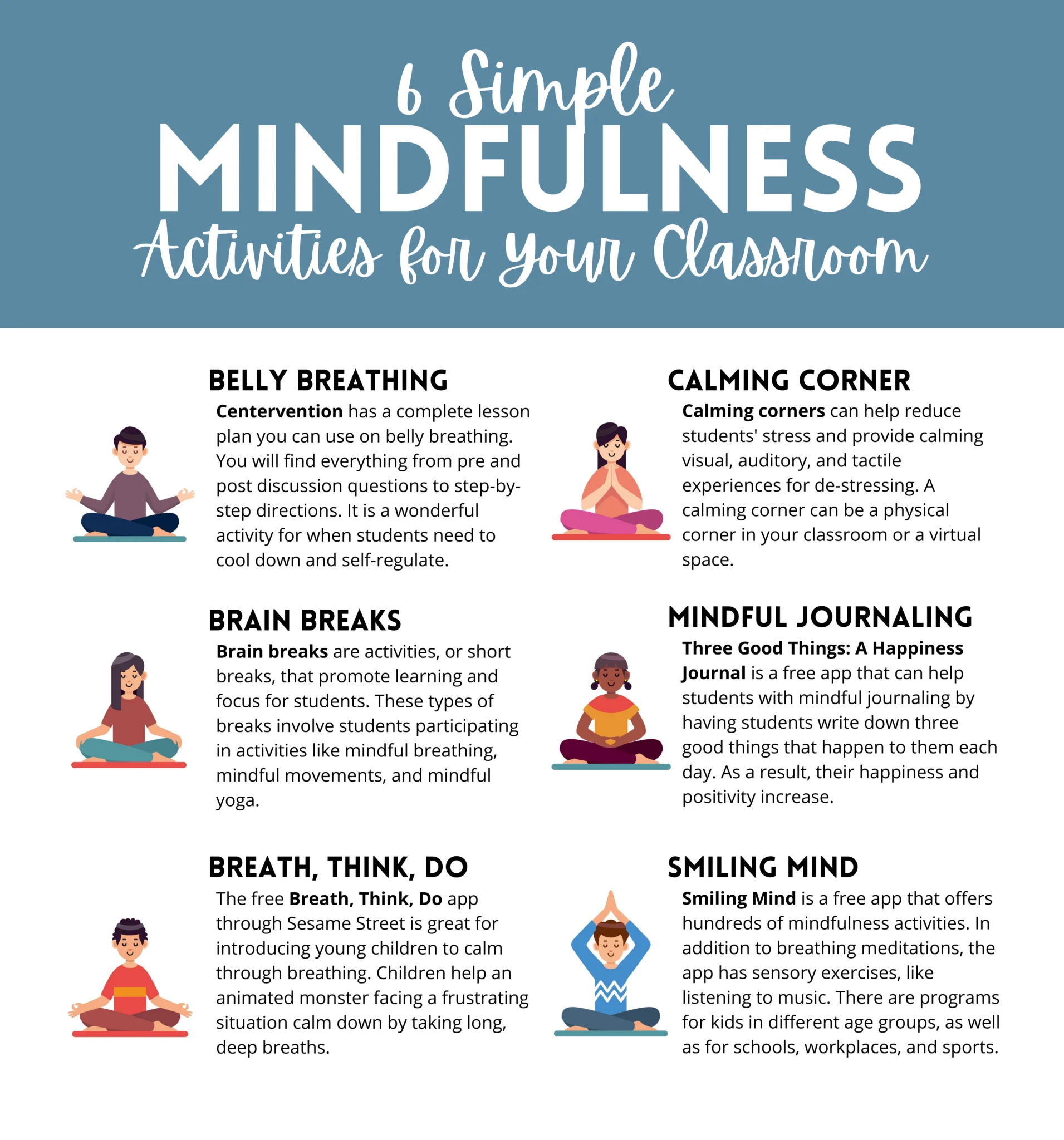
One busy parent tracked her mood swings and energy levels alongside her mindfulness sessions, noticing an increase in emotional regulation and physical relaxation over weeks. This awareness reinforced her commitment to maintaining mindfulness even during the busiest seasons.
Long-term Effects on Productivity and Wellbeing
Consistent mindfulness practice fosters not only immediate calm but also long-term gains in productivity and wellbeing. People who incorporated simple breathing exercises and mindful pauses into work routines observed enhanced focus, creativity, and resilience.
A software developer credited his mindfulness habit with reducing burnout and improving problem-solving skills, enabling him to meet deadlines with less stress. These benefits ripple outward, improving relationships and overall life satisfaction, underscoring mindfulness as an essential tool for balance in a busy world.


