

Overview of National Parks within Reach of Denver
Top National Parks to Visit
Denver’s central location makes it an ideal starting point for weekend adventures to several spectacular national parks. Among the must-visit parks are Rocky Mountain National Park, known for its towering peaks and abundant wildlife; Great Sand Dunes National Park, famous for its massive sand dunes and unique landscape; and the red rock wonders found just a bit further away in the Moab area, including Arches and Canyonlands National Parks. Each park offers a distinct experience, from alpine hikes to desert formations, providing plenty of variety for outdoor enthusiasts.
Distance and Travel Time from Denver
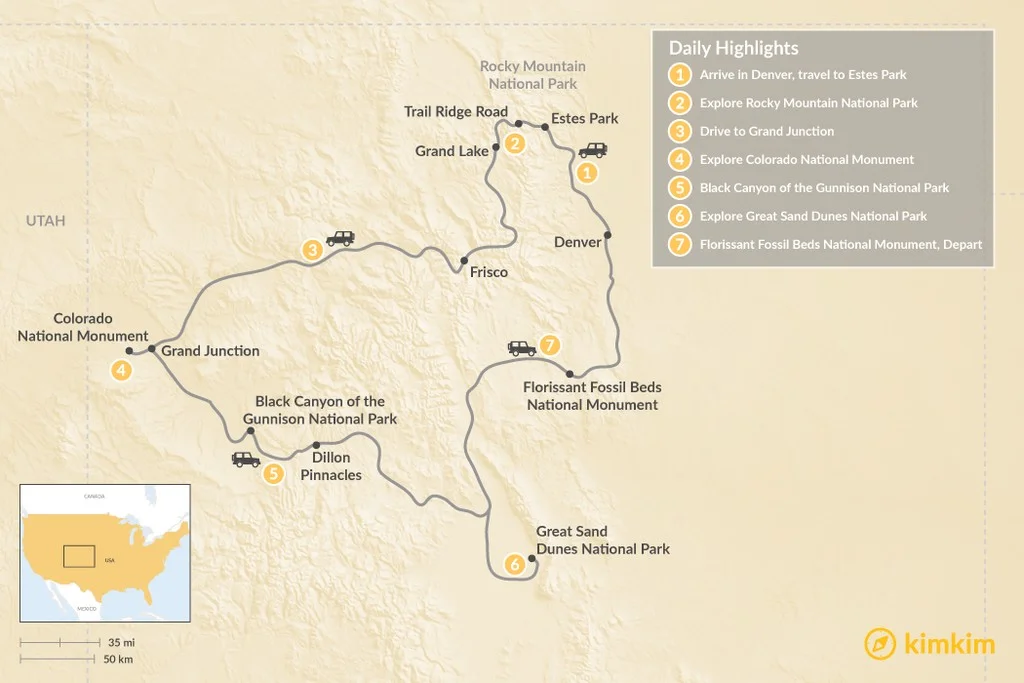
Understanding the travel times helps to optimize your weekend trip. Rocky Mountain National Park is just about a 1.5 to 2-hour drive from Denver, making it very accessible for a day trip or overnight stays in the nearby towns of Estes Park or Grand Lake. For those wishing to explore the dramatic desert landscapes of Moab’s Arches and Canyonlands, the drive extends to around 5 to 6 hours each way, requiring early departures and potentially an overnight stop. Great Sand Dunes National Park lies approximately 3.5 to 4 hours south of Denver, a convenient distance to reach within half a day’s travel.
Day 1: Arrival and First Explorations
Morning: Departure from Denver and Scenic Drive
Beginning your trip early in the morning allows you to maximize daylight and enjoy less crowded roads. For Rocky Mountain National Park, the drive itself is part of the experience, with stunning mountain views along Trail Ridge Road. This scenic highway offers expansive vistas perfect for quick photo stops. If heading south towards Great Sand Dunes or Moab, consider stopping briefly in Colorado Springs to explore Garden of the Gods Park. This stop breaks up the drive and provides a captivating introduction to Colorado’s diverse geology with its signature sandstone formations.
Afternoon: Hiking Trails and Visitor Centers
After arriving at your destination, immerse yourself in the local trails suited to your energy level. In Rocky Mountain National Park, popular hikes like Bear Lake or Alberta Falls offer moderate terrain with rewarding views. Visitor centers provide crucial information on trail conditions, weather updates, and wildlife activity to ensure a safe experience. In the Moab area, late afternoons are ideal for shorter hikes such as the Windows Section in Arches or Grand View Point in Canyonlands, as midday heat can make longer treks uncomfortable.
Evening: Camping Spots and Dining Options
Camping under the stars enhances the national park experience. Popular campgrounds close early in some parks, so advance booking is essential, especially at Great Sand Dunes where spots fill quickly during peak times. Alternatively, nearby towns like Estes Park or Moab offer a range of accommodations from budget-friendly Fairfield Inn & Suites to luxury options like Sorrel River Ranch. Evening dining opportunities vary from casual local eateries to resort restaurants, providing options for every taste and budget while allowing you to rest fully for the next day’s activities.
Day 2: Deep Dive into Nature Activities
Sunrise Viewing Points
Starting your day early to catch the sunrise can transform your park visit into a truly memorable experience. Iconic locations such as Mesa Arch in Canyonlands and Delicate Arch in Arches are highly recommended for sunrise hikes, where the first light dramatically enhances the natural beauty. In the Rocky Mountains, early morning is also a prime time to hear the haunting calls of elk during fall, adding a wildlife soundtrack to the breathtaking panorama.
Guided Tours and Wildlife Watching
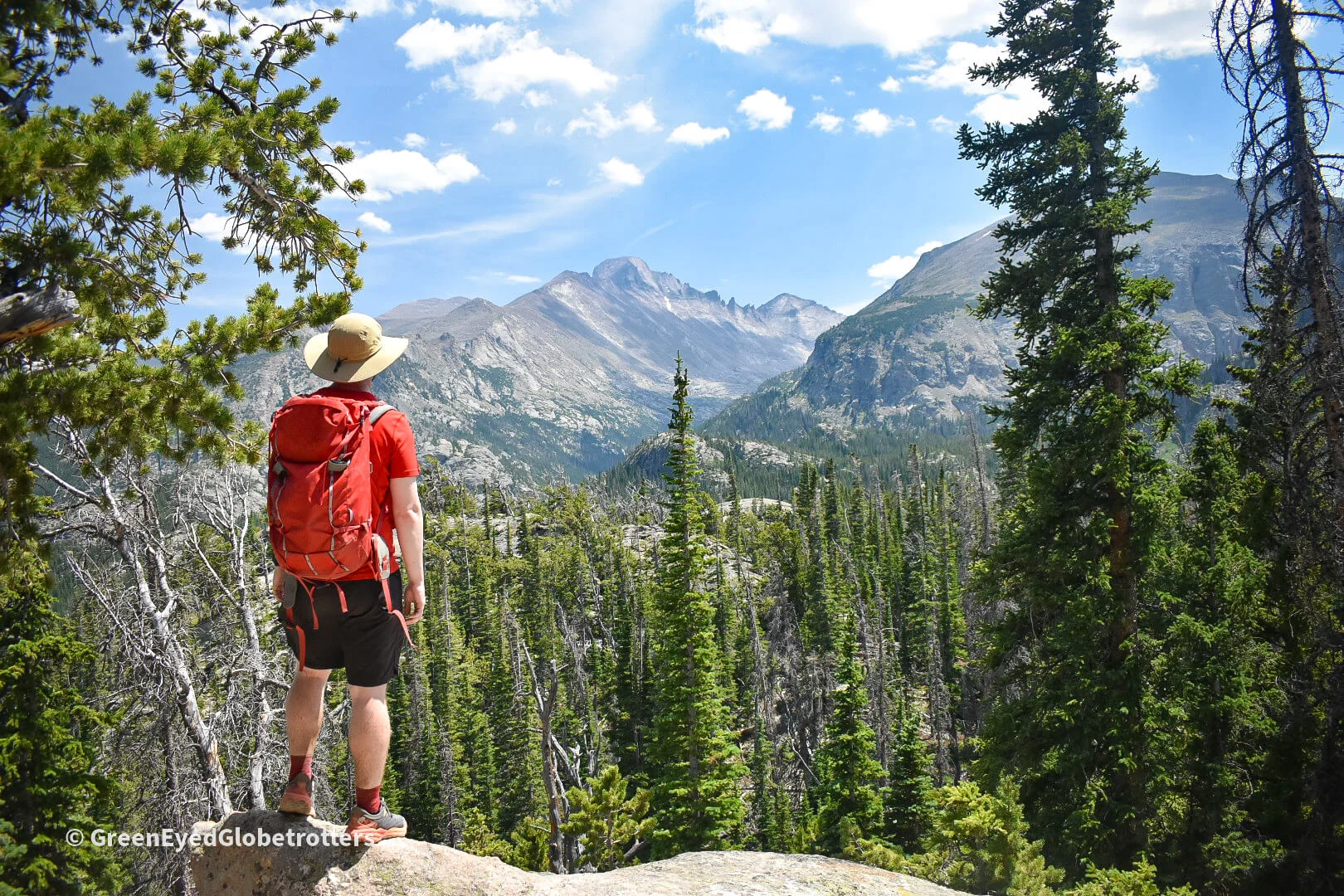
Engaging with guided tours adds depth to your understanding of the parks’ ecosystems and history. Rangers often lead hikes that reveal hidden details about geology, flora, and fauna. Wildlife watching is best done with expert guidance to spot elusive animals safely and respectfully. For instance, mountain biking seasons in Crested Butte and Moab are influenced by weather, so joining a guided trip ensures you’ll hit the trails at the optimal time for both safety and adventure.
Picnic and Relaxation Areas
After vigorous morning activities, taking time to unwind is crucial. Many parks have designated picnic areas where visitors can relax and soak in the surrounding scenery. Near Great Sand Dunes, walking up the giant dunes offers a unique way to appreciate nature’s scale before enjoying a peaceful picnic. Choosing your rest spot carefully prevents fatigue and helps maintain energy for afternoon explorations or the drive back to Denver.
Essential Packing Tips for Your National Park Adventure
Packing thoughtfully can make or break your national park experience. Given the diverse environments—from mountain trails to desert dunes—layers of clothing are essential to adapt to fluctuating temperatures throughout the day. Comfortable hiking boots and sun protection are must-haves. Avoid the common mistake of hiking midday in hot areas like Moab during summer, which can cause discomfort or health risks. Bringing sufficient water, snacks, and a first aid kit will prepare you for unexpected conditions. Also, don’t forget maps or GPS devices, as cell service can be unreliable within some parks.
Weather Considerations and Seasonal Highlights
Each season offers unique advantages and challenges that influence your itinerary. Spring is particularly favorable for mountain biking in Moab before early June heats up the terrain. Early summer hikes allow you to avoid intense daytime heat, especially in desert parks. Fall is ideal in Rocky Mountain National Park to witness elk bugling and vibrant wildflowers, while winter and early spring often bring snow that limits access to certain roads. Understanding the timing of activities like hiking, rafting, and mountain biking in relation to seasonal weather not only enhances comfort but also safety and overall enjoyment.
Conclusion: Maximizing Your Weekend in Colorado’s National Parks
Planning a weekend trip to national parks near Denver involves balancing travel logistics with the diverse natural beauty each park offers. Early departures, sensible packing, and awareness of seasonal conditions allow you to avoid common pitfalls such as midday heat or fully booked accommodations. Whether hiking beneath towering peaks in Rocky Mountain National Park, exploring the desert wonders of Moab, or marveling at the dunes of Great Sand Dunes National Park, a well-prepared itinerary ensures you make the most of your time outdoors. With these insights, your Colorado weekend adventure promises rewarding experiences and lasting memories.


