

Introduction to Flavor Enhancement in Baked Fish
Why Herbs and Spices Matter
Baked fish is a timeless dish enjoyed across cultures, prized for its delicate texture and mild flavor. However, the subtle nature of fish means that the right seasonings can truly transform a simple fillet into a memorable meal. Herbs and spices do more than just add taste—they bring layers of aroma and complexity that elevate the dining experience. Imagine baking a fillet of salmon with just salt versus seasoning it with dill and smoked paprika; the difference is profound. These natural flavor enhancers highlight the fish’s freshness without overshadowing it, allowing each bite to be vibrant and nuanced.
Health Benefits of Using Natural Seasonings
Beyond taste, herbs and spices offer a wealth of health benefits. Fresh herbs like parsley and basil are rich in antioxidants, while spices such as cumin and paprika have anti-inflammatory properties. When you choose natural seasonings over heavy sauces or artificial additives, you’re not only improving the flavor but also supporting overall wellness. For example, using ginger in baked cod can add warmth while aiding digestion, making your dish both delicious and nourishing. This approach makes it easy to enjoy a flavorful meal that aligns with healthy eating habits.
Top Herbs to Elevate Baked Fish Dishes
Dill: The Classic Complement
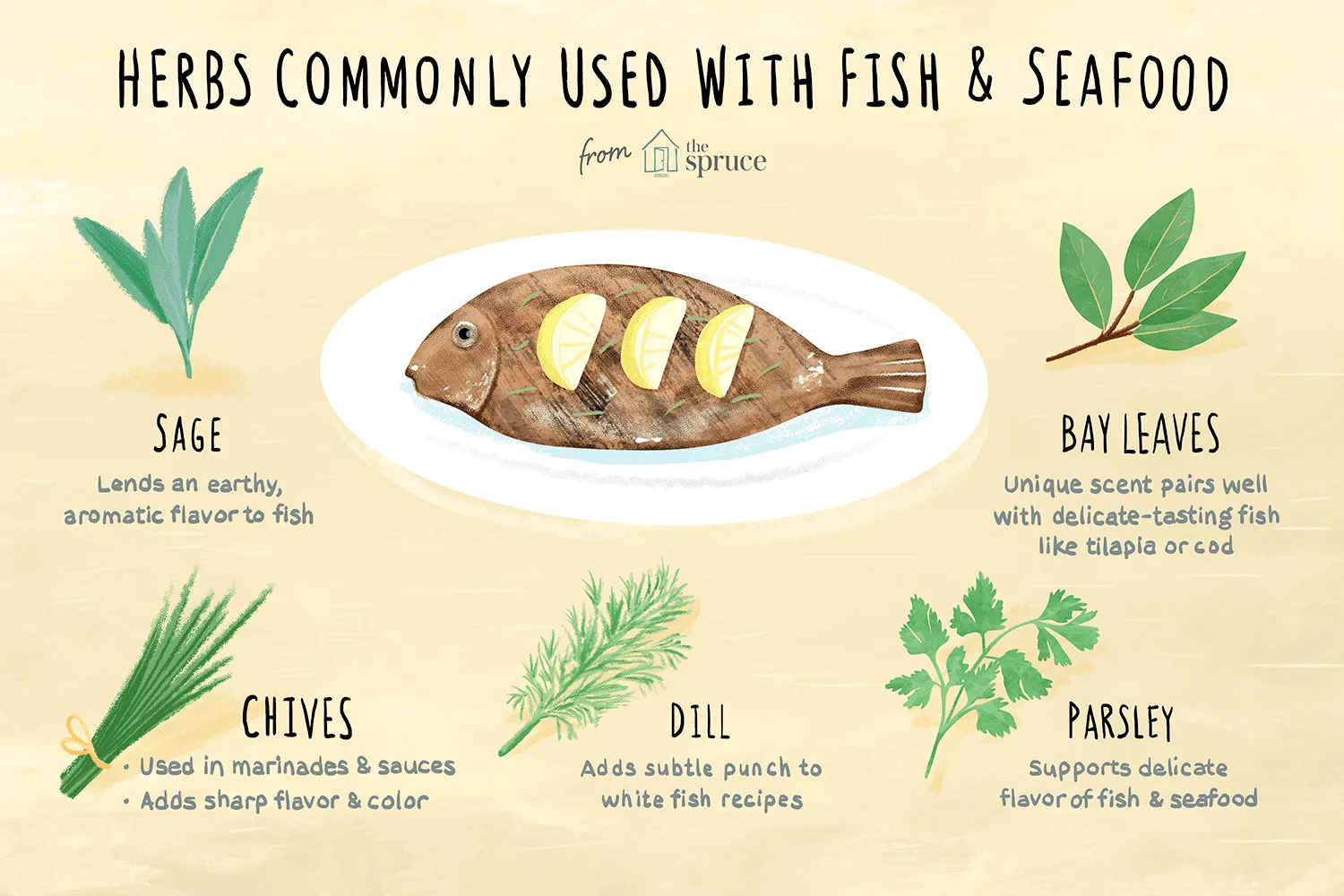
Dill is often considered the gold standard herb for fish, thanks to its clean, slightly lemony aroma. It pairs beautifully with flaky white fish such as tilapia or cod, effortlessly brightening the flavor. Picture a baked trout topped with fresh dill and a squeeze of lemon—this combination brings out the natural freshness of the fish. Dill also works well when mixed with paprika, creating a peppery zing that lifts the dish. For those looking for a timeless choice, dill remains a dependable and refreshing option.
Thyme: Earthy and Aromatic Touch
Thyme offers an earthy depth that complements baked fish particularly well, especially heartier varieties like salmon or bass. One memorable recipe involves filling the cavity of a whole baked fish with sliced leeks, garlic, and sprigs of thyme, then coating it in herb-butter paste. As it cooks, the thyme imparts a savory aroma that seeps into the flesh, enhancing moisture and flavor. Unlike some brighter herbs, thyme provides a grounding note that balances the dish and adds sophistication.
Parsley: Freshness and Color
Parsley’s vivid green hue and fresh taste add brightness and visual appeal to fish dishes. It’s often sprinkled over baked fish just before serving to provide a clean, herbaceous finish. Imagine a flaky white fish seasoned with garlic and lemon, garnished with chopped parsley and served alongside green vegetables—a simple yet elegant presentation. Parsley’s mildness makes it versatile, suitable for complementing other herbs without competing for attention.
Basil: Sweet and Peppery Notes
While basil is traditionally associated with Italian cooking, its sweet and slightly peppery notes can lend unexpected complexity to baked fish, such as salmon or barramundi. Using fresh basil leaves as a topping or mixing minced basil into a marinade brings warmth and an herbal sweetness that contrasts nicely with the fish’s richness. One practical tip is to add basil towards the end of baking or immediately after cooking to preserve its delicate flavor and vibrant color.
Spices That Perfectly Pair with Fish
Smoked Paprika for Depth
Smoked paprika is a game-changer for those seeking a deep, smoky flavor without overwhelming the fish. It works exceptionally well as a dry rub for grilled or baked fish, infusing the surface with a subtle char and complexity. For instance, sprinkling smoked paprika over a filet of cod before baking transforms the dish with a warm, savory note reminiscent of outdoor cooking. This spice also pairs well with lemon pepper and coriander, layering flavors for a richer profile.
Cumin: A Warm Twist
Cumin’s nutty and pungent taste adds a unique warmth and earthiness to fish dishes. Sprinkling cumin over fish before cooking or incorporating it into marinades can amplify flavors subtly without overpowering the natural taste. A practical example is blending cumin with coriander for grilled salmon, creating a harmonious spice mix that complements the oily richness of the fish. Cumin, with its warmth, balances well with fresh herbs and citrus, making it an essential spice to experiment with.
Lemon Pepper: Citrus Zing
Lemon pepper combines the brightness of lemon zest with the sharpness of black peppercorns, providing a perfect zing to baked fish. Using native lemon pepper as a dry rub or sprinkle before cooking adds a lively acidity that cuts through the richness of fish like salmon or bass. Imagine a simple whole baked fish seasoned with lemon pepper, garlic, and fresh thyme—the result is vibrant, aromatic, and impeccably balanced. This spice is highly practical for anyone seeking an easy way to brighten their seafood dishes.
Combining Herbs and Spices for Optimal Flavor
Mixing Methods and Proportions
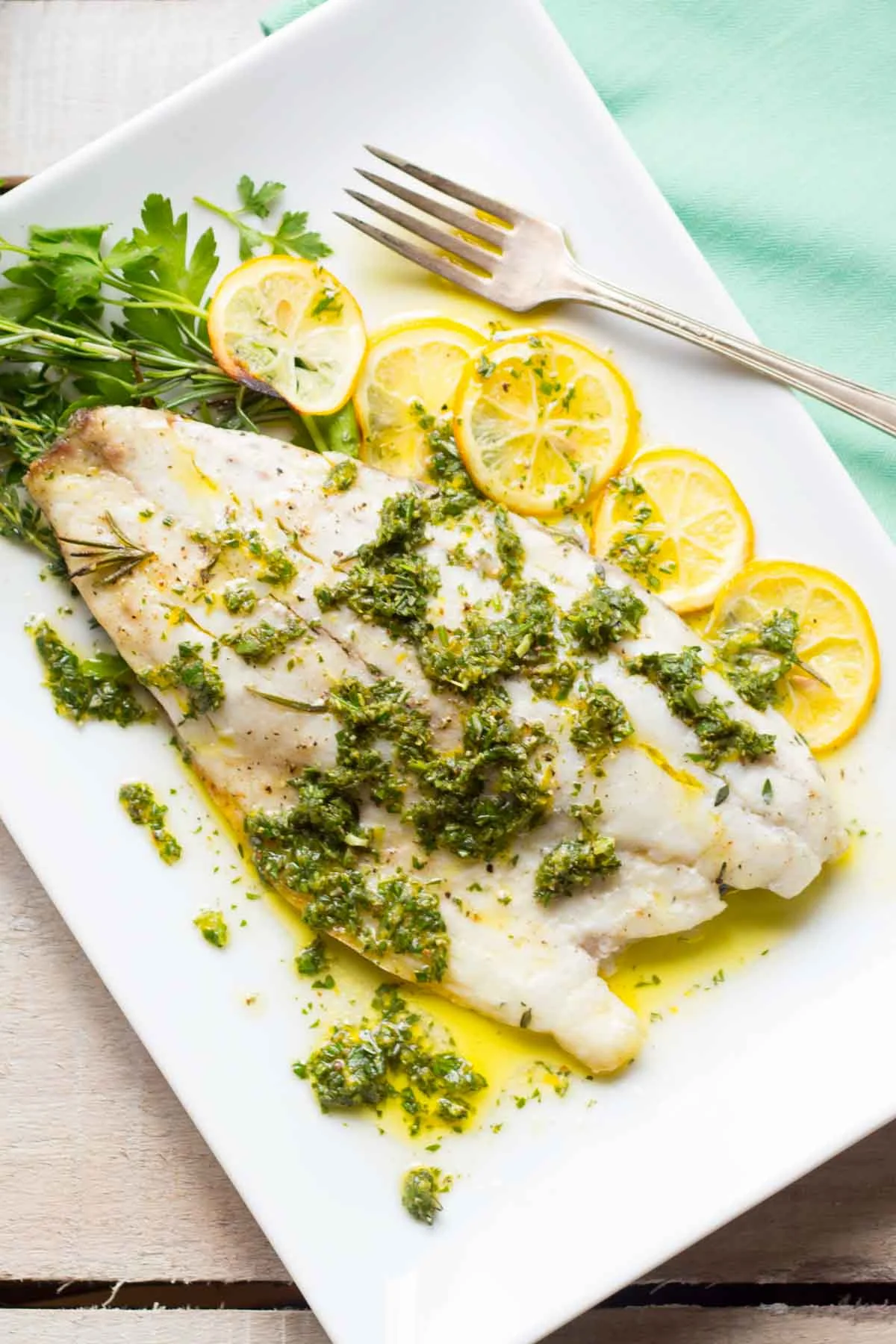
Blending herbs and spices requires a nuanced approach to avoid overpowering your fish. Start with small proportions, mixing fresh herbs such as dill or parsley with spices like smoked paprika or cumin in ratios that highlight rather than mask the fish’s natural flavor. For example, a teaspoon of smoked paprika combined with a tablespoon of minced dill and a pinch of salt can create a balanced seasoning for a fillet of tilapia. It’s often helpful to mix herbs with olive oil or butter to form a paste that coats the fish evenly, ensuring consistent flavor distribution.
Creating Custom Herb Blends
Developing your own blend can be a rewarding way to personalize baked fish dishes. Consider using native Australian bush herbs when cooking barramundi or bass to add a local twist. Combinations like fish spice blends mixed with olive oil create an aromatic, floral coating perfect for baking. One cook shared how they combined smoky almond dukkah with BBQ pepper spice for a grilled salmon dish, resulting in a crunchy, flavorful crust that delighted guests. Experimentation is key—start by combining two or three complementary herbs and spices, adjusting based on taste and the fish type.
Application Techniques to Maximize Taste
Marinating vs. Dry Rubs
Choosing between marinating and dry rubs depends on the texture and flavor intensity you want. Marinating fish with a blend of herbs, spices, acid (like lemon juice or vinegar), and tasty oils penetrates the flesh, enhancing moisture and flavor. For example, marinating salmon in a mixture of coriander, cumin, olive oil, and lemon juice for 30 minutes results in a tender, richly flavored dish. Conversely, dry rubs concentrate flavor on the surface, ideal for creating flavorful crusts, as seen with smoked paprika-based rubs applied just before baking. Both techniques have merits—marinate for depth, rub for crispness.
When to Add Herbs During Baking
Timing the addition of herbs can affect their flavor impact. Hardier herbs like thyme infuse flavor during the cooking process and can be added at the beginning, especially when placed inside a whole fish with cloves of garlic and lemon slices to keep the interior moist. Delicate herbs such as parsley and basil, however, are best added after baking or just before serving to preserve freshness and color. For example, sprinkling chopped parsley immediately after removing fish from the oven adds a burst of vibrant flavor without wilting.
Expert Tips and Common Mistakes to Avoid
Balancing Boldness Without Overpowering
One common pitfall is using herbs and spices too aggressively, which can mask the subtle flavors of fish. It’s essential to remember that fish is delicate, so start light and build flavor gradually. Overusing smoked paprika or cumin can overwhelm delicate white fish like flounder, while stronger fish like salmon can handle bolder seasoning. Always taste test your herb and spice blends and consider the type and freshness of fish when deciding how assertive your seasoning should be.
Storing and Freshness of Herbs and Spices
Freshness significantly affects the impact of herbs and spices. Fresh herbs should be stored properly in the refrigerator, wrapped loosely in damp paper towels or kept in water like flowers, to maintain vibrancy. Spices lose potency over time, so it’s recommended to buy whole seeds where possible and grind them fresh before use. For instance, freshly ground cumin packs more aroma than pre-ground versions stored for months. Regularly checking the quality and freshness of your seasonings will ensure your baked fish dishes remain flavorful and aromatic.


