

Introduction to Grilling Steak Tips
Why Steak Tips Are a Grill Favorite
Steak tips have become a beloved choice for grilling enthusiasts due to their rich flavor and versatility. Unlike larger steak cuts, steak tips are smaller, which allows them to cook quickly and evenly on the grill. This makes them an excellent option for casual barbecues or quick weeknight dinners. However, their smaller size also means they can easily become overcooked and dry if not handled properly. Understanding how to achieve that perfect balance of juiciness and char is key to enjoying steak tips at their best.
Understanding the Cut: Choice and Quality
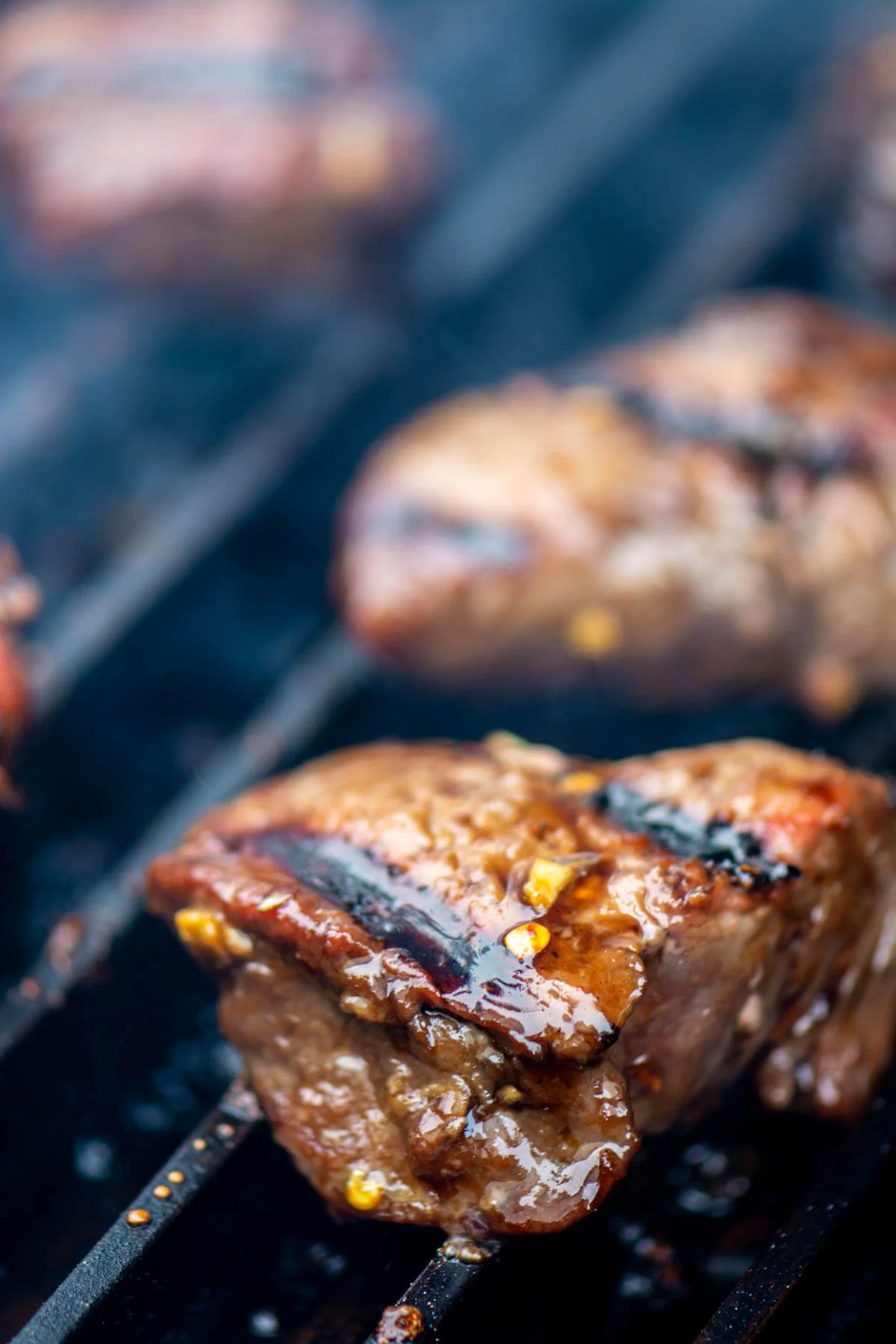
Steak tips typically come from the sirloin or round area of the cow, and their tenderness and flavor largely depend on the quality of the cut. Lower-quality tips tend to be tougher and require marinades or longer cooking times to tenderize. In contrast, higher-grade cuts like those labeled “choice” or “prime” will naturally be more tender and flavorful. Recognizing this difference before you start grilling can save you from ending up with a less satisfying meal and help you select the best preparation method for your steak tips.
Preparing Your Steak Tips for the Grill
Choosing the Right Marinade or Dry Rub
One common challenge when grilling steak tips is ensuring they retain moisture and gain flavor. The cause of dry or bland steak tips often stems from insufficient seasoning or no pre-cooking preparation. Using a marinade infused with acidic ingredients like lemon juice or vinegar helps break down tough fibers and tenderize the meat, enhancing both texture and taste. Alternatively, a well-balanced dry rub containing salt and spices can create a flavorful crust during grilling. Selecting the right preparation depends on your flavor preferences and the cut’s natural tenderness.
Resting and Seasoning Before Cooking
Another mistake is neglecting to bring the steak tips to room temperature before grilling. Cold meat placed directly on a hot grill can cook unevenly. By resting the steak tips for about 20 to 30 minutes after seasoning, you allow the seasoning to penetrate while ensuring a more uniform cook. Proper seasoning with salt not only adds flavor but also helps in forming that appealing seared crust. Skipping this step often leads to a less flavorful and unevenly cooked dish.
Mastering the Grill Setup
Types of Grills Best for Steak Tips
Choosing the right grill is crucial in achieving that perfect sear and juicy interior. Gas grills offer precise temperature control, making them ideal for beginners who want consistent results. Charcoal grills, on the other hand, impart a smoky flavor that many steak lovers prize, but they require more skill to maintain the correct heat. Understanding the pros and cons of each grill type can help avoid the frustration of uneven cooking or lackluster flavor.
How to Prepare Your Grill for Optimal Heat
Many fail to prepare the grill properly before cooking, leading to sticking or unevenly cooked steak tips. The root cause is often insufficient heating or lack of cleaning. Make sure to preheat the grill to a high temperature, around 450 to 500°F, to ensure a good sear that locks in juices. Additionally, cleaning the grates of any residue and oiling them will prevent sticking and promote even grill marks. Without this preparation, the steak tips can lose moisture and fail to develop that desirable crust.
Step-by-Step Grilling Process
How to Arrange the Steak Tips on the Grill
Proper placement of steak tips on the grill affects how evenly they cook. Crowding the grill reduces heat circulation, causing uneven cooking and steaming rather than grilling. This often leads to less flavorful, dry results. Spread the steak tips with enough space between each piece to allow heat to surround them. For best results, place larger tips closer to the hotter zones and smaller ones on cooler parts to manage cooking times effectively.
Timing and Temperature Control for Juicy Results
The primary obstacle in grilling steak tips is controlling time and temperature to avoid overcooking. High heat promotes a quick sear but can quickly dry out the tips if left too long. Conversely, lower heat will cook them through but without that flavorful crust. The solution is to sear steak tips on high heat for about 2-3 minutes per side, then move them to indirect heat to finish cooking gently. Use a combination of timing and temperature control to retain juiciness and enhance tenderness.
Using Thermometers vs. Visual Cues
Relying solely on visual cues like color or firmness can be misleading, causing undercooked or overdone steak tips. This problem arises from inconsistent judgment or inexperience. A meat thermometer provides an accurate way to monitor internal temperature—aim for 130°F for medium-rare, 140°F for medium. Using a thermometer eliminates guesswork and ensures your steak tips are cooked precisely to your preference without sacrificing juiciness or safety.
Finishing Touches
Resting Your Steak Tips Post-Grilling
A frequently overlooked step is allowing steak tips to rest after grilling. Cutting into them immediately causes the juices to escape, resulting in dryness. Resting for 5 to 10 minutes lets the juices redistribute throughout the meat, enhancing tenderness and flavor. This simple solution transforms an ordinary steak tip into a mouthwatering dish with every bite.
Enhancing Flavor with Finishing Sauces and Sides
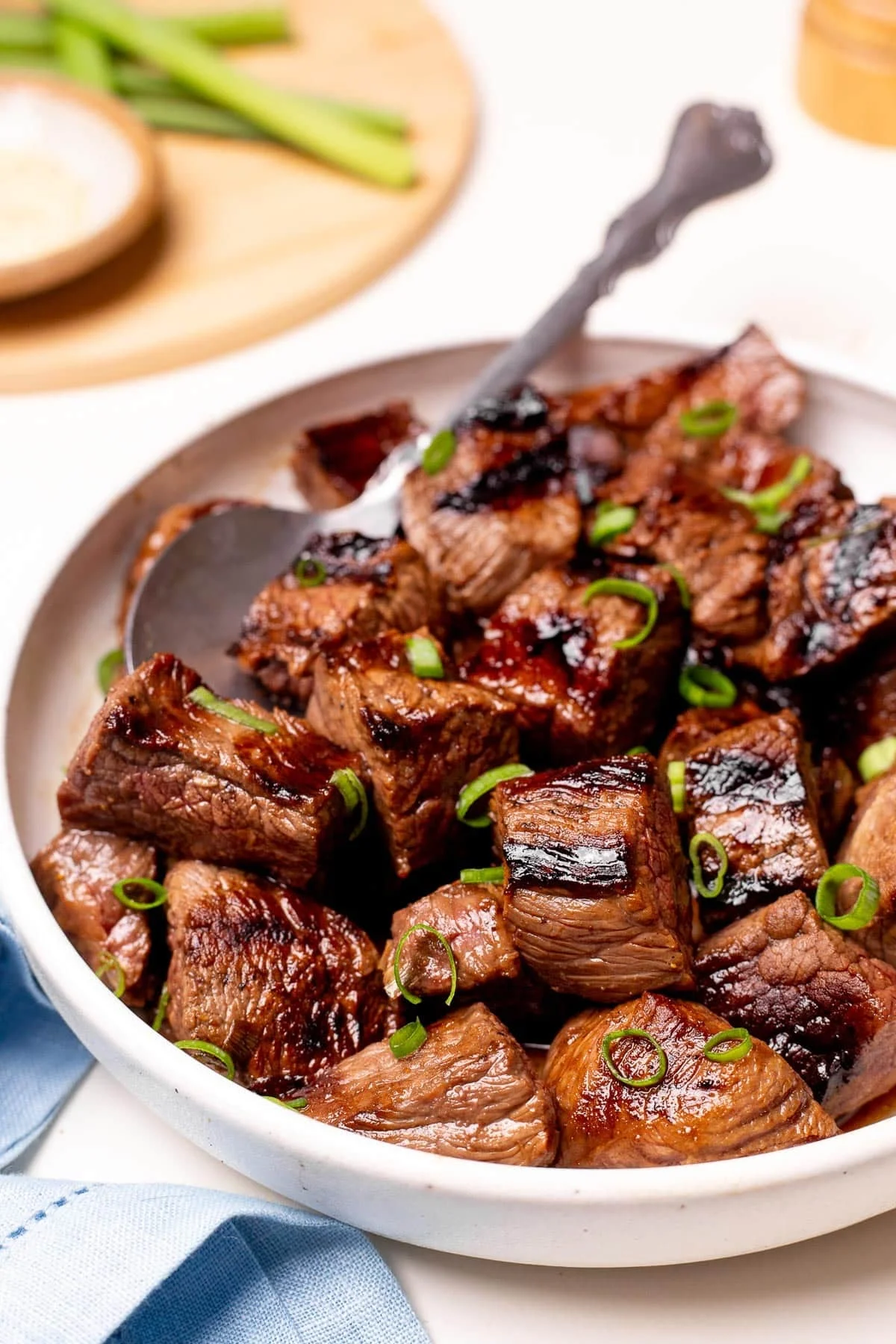
Even perfectly grilled steak tips can be elevated with thoughtful accompaniments. However, overly heavy or overpowering sauces can mask the natural taste of the meat. Lighter finishing sauces such as chimichurri, garlic butter, or a squeeze of fresh lemon complement the steak tips without overwhelming them. Pairing with simple sides like grilled vegetables or a fresh salad can round out the meal. Balancing flavors ensures a satisfying dining experience that highlights the quality of the steak itself.
Troubleshooting Common Grilling Mistakes
How to Avoid Overcooking or Dryness
Overcooking steak tips results from prolonged exposure to high heat or lack of temperature monitoring. This is a common pitfall that leads to tough, dry meat. To solve this, use a combination of searing followed by indirect heat, and monitor the internal temperature carefully. Removing the steak tips a few degrees before your target temperature is also effective, as carryover heat continues to cook the meat while resting.
Managing Flare-Ups for Even Cooking
Flare-ups, caused by fat dripping onto flames, can quickly burn steak tips and create uneven cooking. This creates bitter flavors and charred spots that can ruin the dish. Prevent flare-ups by trimming excessive fat before grilling and keeping a spray bottle of water nearby to control flames without lowering grill temperature too much. Moving steak tips away from direct flames when flare-ups occur helps maintain a steady cook and preserves juiciness and flavor.


