

Understanding Flank Steak: Characteristics and Benefits
Flank steak is a lean cut from the abdominal muscles of the cow, known for its rich, beefy flavor. Its long, fibrous texture makes it ideal for quick, high-heat cooking methods like grilling. Because it is lean, flank steak benefits greatly from marinating, which helps tenderize the meat and infuse it with flavor. This cut is also relatively affordable and versatile, making it a favorite for many home cooks. Understanding these characteristics is key to achieving juicy, flavorful results when cooking.
Essential Ingredients for a Flavorful Marinade
A successful marinade balances acidity, moisture, and seasoning to transform the steak. Choosing the right ingredients can elevate the natural flavors of the flank steak and improve its tenderness.
Acids: The Role of Vinegar, Citrus, and Wine
Acidic components like vinegar, citrus juice, and wine break down muscle fibers, making the meat more tender. They also add brightness and depth to the flavor profile. It’s important to use acids moderately; too much acid can cause the meat’s texture to become mushy if left too long. Common acids include balsamic vinegar, lemon juice, and red wine.
Oils and Fats: Enhancing Moisture and Texture
Oils create a protective barrier, locking in moisture during cooking. Olive oil is a popular choice for its flavor and health benefits. Fats help distribute fat-soluble flavors from herbs and spices evenly over the steak, contributing to a tender bite. Balancing oil with acid is crucial to avoid greasy or overly dry results.
Herbs, Spices, and Aromatics to Amplify Flavor

Herbs like rosemary, thyme, and oregano add fragrant notes that complement beef’s richness. Spices such as black pepper, cumin, and smoked paprika provide warmth and complexity. Aromatics like garlic, shallots, and ginger enhance the savory profile while adding subtle layers of flavor. Fresh or dried herbs can both be effective depending on the time available.
Preparing Your Flank Steak: Tips for Best Results
Proper preparation of the flank steak before marinating sets the foundation for a great meal. Start by patting the steak dry to help the marinade adhere better. Trimming excess fat and silver skin ensures even cooking. Scoring the surface lightly can also help the marinade penetrate deeper. Allowing the meat to come to room temperature prior to marinating improves the absorption of flavors and guarantees even cooking once on the grill.
Step-by-Step Marinating Process
Step 1: Cleaning and Trimming the Steak
Begin by rinsing the flank steak under cold water and patting it dry with paper towels. Trim away any thick layers of fat or connective tissue, as these won’t tenderize effectively and can cause uneven cooking. Removing the silver skin will help the meat absorb the marinade more thoroughly.
Step 2: Mixing the Marinade
Combine your chosen acids, oils, herbs, and spices in a bowl. Whisk until well emulsified to ensure the ingredients blend evenly. A good marinade often includes a balance of one part acid to two or three parts oil, seasoned with salt, pepper, and herbs to taste. Fresh ingredients like minced garlic or grated ginger can be added at this stage for extra punch.
Step 3: Applying the Marinade Evenly
Place the steak in a resealable container or a zip-top bag. Pour the marinade over the meat, turning and massaging the bag or container to coat every surface. This even distribution is crucial to flavor the steak uniformly. Remove as much air as possible before sealing, then refrigerate to marinate.
Step 4: Ideal Marinating Duration and Storage
Marinate flank steak for at least 2 hours for noticeable tenderness and flavor infusion. For best results, allow it to marinate between 6 to 12 hours but avoid exceeding 24 hours to prevent the acid from breaking down the meat excessively. Always store marinating steak in the refrigerator to ensure food safety. Remove from the fridge about 30 minutes before grilling to let the meat come closer to room temperature.
Grilling Techniques to Complement the Marinated Flank Steak
Preheating and Grill Setup
Preheat your grill to high heat, around 450-500°F (230-260°C). A hot grill sears the outside quickly, locking in juices. Clean and oil the grill grates to prevent the steak from sticking. Setting up a two-zone fire with a hotter direct side and a cooler indirect side allows for controlled cooking and finishing of thicker cuts.
Optimal Grill Times and Temperatures
Flank steak cooks quickly, usually taking 4-6 minutes per side for medium-rare, depending on thickness. Use a meat thermometer to check for an internal temperature around 130-135°F (54-57°C) for optimal juiciness. Avoid overcooking, which can make the steak tough. Turning the steak once during cooking helps develop a nice crust without drying it out.
Resting and Slicing for Maximum Juiciness
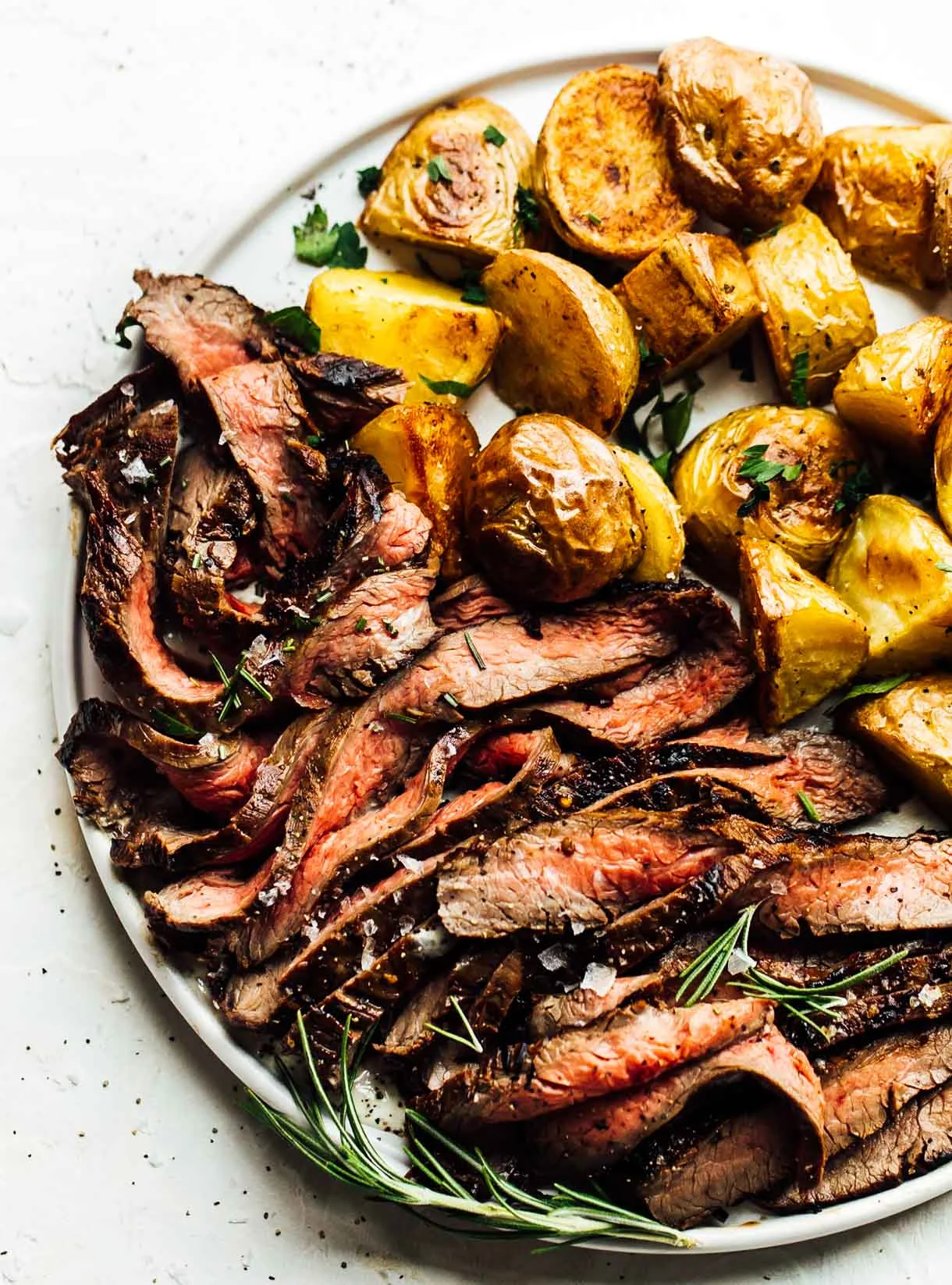
Allow the steak to rest for 5-10 minutes after grilling. This brief pause lets juices redistribute throughout the meat, enhancing tenderness. When slicing, cut thinly and against the grain. This breaks the muscle fibers and makes the steak easier to chew. Proper slicing is as important as the marinating and grilling process in achieving juicy, flavorful results.


