

Why Consistency Matters in Exercise
The Psychology Behind Habit Formation
Imagine waking up on a chilly morning and lacing up your sneakers without a second thought. That automatic action is what habit formation looks like, and it’s the key to consistency in exercise. Psychologists explain that habits form when behaviors are repeated regularly in a stable context, creating neurological pathways that make the action easier over time. In the first 30 days, your brain is primed to adapt, but it requires conscious effort to turn exercise from a choice into a routine.
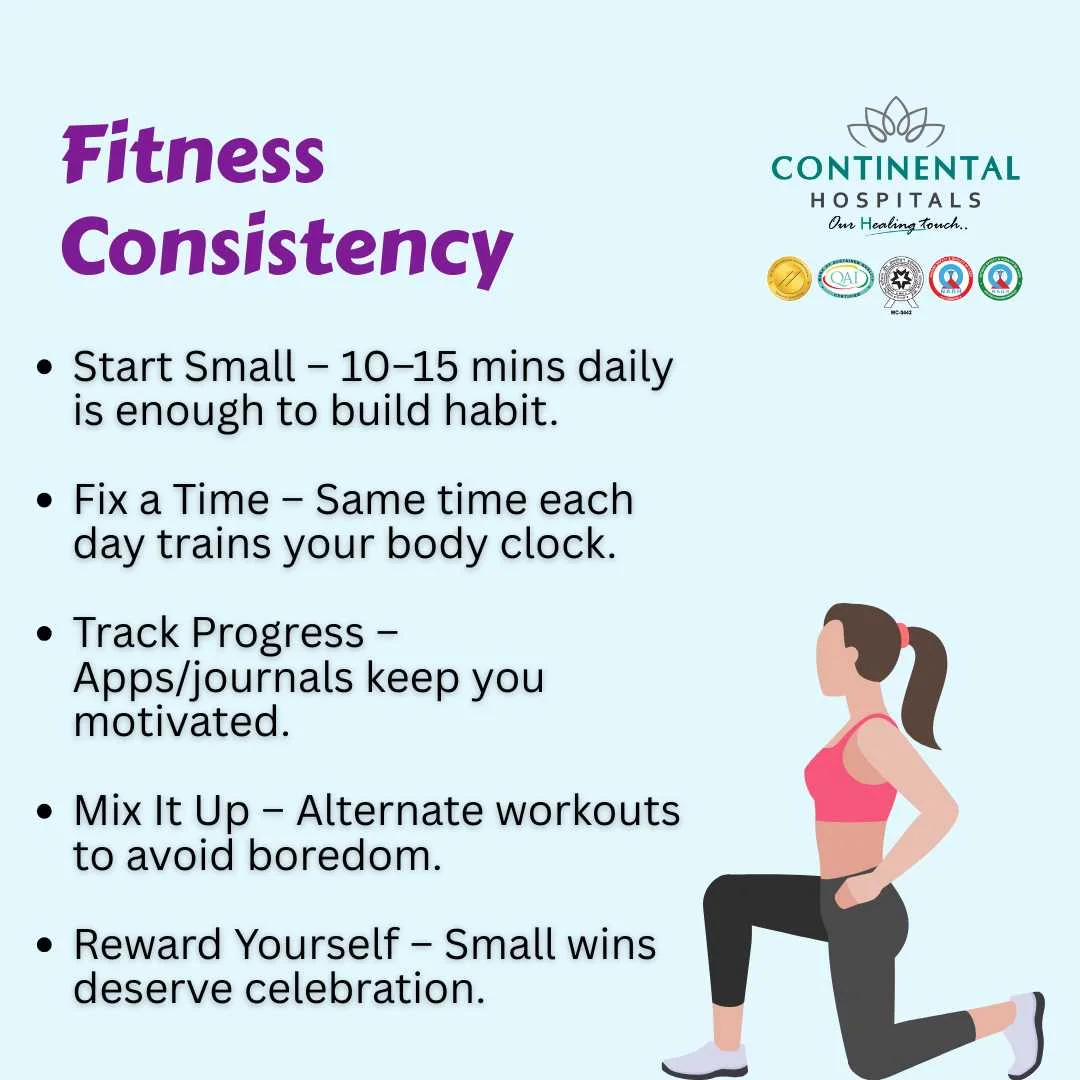
Impact of Consistency on Physical and Mental Health
Consider Sarah, who started walking 15 minutes daily. By day 30, she noticed not only weight loss but reduced stress and better sleep quality. Consistency amplifies these benefits. Regular movement improves cardiovascular health, muscle tone, and metabolism while releasing endorphins that boost mood and reduce anxiety. The compounding effect means every workout builds on the last, making health gains sustainable and noticeable.
Day 1-7: Laying the Foundation
Setting Realistic and Achievable Goals

John decided to begin exercising after years of inactivity. Instead of aiming to run 5 miles immediately, he set a realistic goal: walk briskly for 10 minutes daily. This small, achievable target created early wins that fueled his confidence. Setting manageable goals prevents discouragement and aligns expectations with current fitness levels, which is crucial for building consistency.
Choosing the Right Exercises to Build Momentum
Starting with approachable activities is important. For beginners, cardio exercises like walking, cycling, or using an elliptical where holding a conversation is possible help maintain a steady pace without overwhelming effort. Incorporating strength training with 2 sets of 8 to 12 reps using manageable weights ensures proper form and gradual strength gains. Adding gentle mobility exercises such as arm circles and cat-cow stretches can increase flexibility and prepare the body for more intense activity.
Creating a Supportive Environment
Angela cleared a corner in her living room with a yoga mat and resistance bands, making it easier to exercise without excuses. Altering your environment—whether by setting out workout clothes the night before or choosing a favorite playlist—creates cues that prompt action. Additionally, sharing your goals with friends or joining a beginner fitness group can provide accountability and encouragement during this sensitive initial phase.
Day 8-15: Building Momentum
Tracking Your Progress Effectively
Mark kept a simple journal logging his daily exercise: type, duration, and how he felt afterward. This record not only showed tangible progress but helped identify patterns, such as feeling more energized on days he exercised in the morning. Tools like apps, journals, or wearable devices provide motivation by visualizing improvement and holding you accountable.
Incorporating Variety Without Losing Consistency
Sticking to the same routine can lead to boredom, risking dropout. However, variety doesn’t mean abandoning consistency. You might substitute walking with cycling or alternate strength exercises targeting different muscle groups. For example, switching between upper body and lower body workouts while maintaining the same schedule keeps workouts fresh yet predictable, ensuring you don’t miss days due to monotony.
Dealing with Early Challenges and Setbacks
When fatigue struck or schedules became hectic, Emily missed a few workouts. Instead of giving up, she treated these as temporary setbacks and adjusted by doing shorter sessions or lighter mobility movements on tough days. Being flexible while maintaining a general commitment prevents all-or-nothing thinking. Remember, occasional breaks don’t erase progress when the long-term goal is consistent effort.
Day 16-23: Strengthening the Routine
Establishing a Consistent Time and Place for Workouts
Daniel found his best success by exercising every morning in the park near his home. The fixed time and familiar location created a mental and physical routine that reduced decision fatigue. Routine anchors your workouts firmly in your daily schedule, making exercise a natural part of your day rather than an afterthought competing with other tasks.
Using Motivation Techniques to Stay on Track
Motivation can wane, but techniques like rewarding yourself after completing a week or visualizing your future healthier self help bridge gaps. Some people find success in pairing workouts with podcasts or audiobooks they enjoy, turning exercise into a pleasurable, multitasking activity. Sharing progress with a partner or group also introduces positive social pressure that nudges you forward on tougher days.
Adapting Your Plan Based on Feedback from Your Body
Listen carefully to signs like soreness, fatigue, or joint discomfort. Olivia noted persistent shoulder pain during strength exercises and shifted focus toward mobility routines and lighter weights to avoid injury. Allowing your routine to evolve ensures you do not push too hard too soon. Spacing workouts to allow muscle recovery and incorporating rest days with slow, controlled stretching keeps your body resilient.
Day 24-30: Maintaining and Optimizing Consistency
Celebrating Milestones and Recognizing Progress
Reaching day 30 is itself a milestone worth celebrating. Tom rewarded himself with a massage after completing a month of consistent workouts, reinforcing positive feelings toward exercise. Recognizing how far you’ve come, whether through better endurance or mood improvements, boosts motivation for the next phase. Small celebrations help sustain enthusiasm and commitment.
Planning for Long-Term Consistency Beyond 30 Days
The first month builds a solid foundation, but maintaining consistency requires setting evolving goals. Rachel began planning her next 30 days with slightly higher intensity and new challenges to keep growth steady. Reflect on what worked, keep the approachable cardio and strength exercises you enjoy, and continually adjust to fit your lifestyle and preferences for sustainable fitness.
Strategies to Prevent Burnout and Maintain Enthusiasm
Burnout can sneak in as fatigue or boredom. To prevent this, vary your workouts, listen to your body’s signals, and allow time for rest. Incorporate enjoyable activities like dancing or hiking that still promote movement. Remember, small, consistent wins build the foundation for long-term success. Patience and kindness to yourself will keep exercise a rewarding part of your daily routine.


