

Understanding the Importance of a Balanced Workout Schedule
Designing a balanced home workout schedule is crucial, especially for busy professionals who juggle multiple responsibilities daily. Exercise impacts not only physical health but also mental well-being, influencing productivity and how one manages stress. By creating a thoughtful routine, you can enhance overall quality of life without feeling overwhelmed.
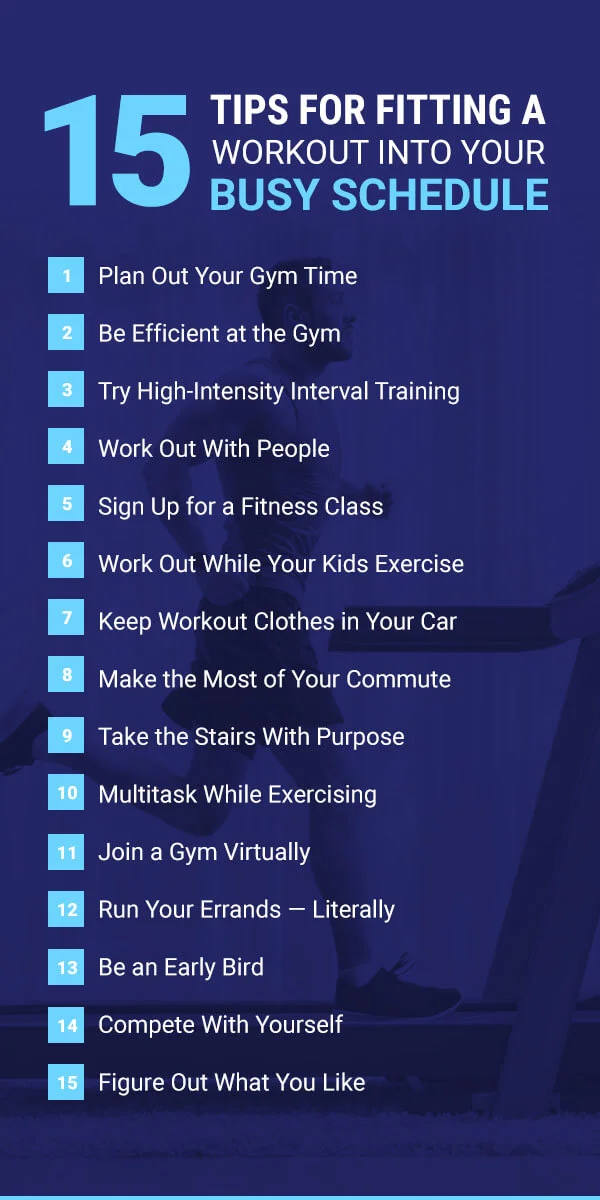
How Exercise Affects Productivity and Stress Levels
Engaging in regular physical activity has been shown to improve concentration and cognitive function. When you exercise, your body releases endorphins, natural mood boosters that help reduce stress. For busy professionals, this means a well-planned workout schedule can help alleviate workplace pressure and foster a more energetic and focused mindset. Even short bursts of aerobic movement spread throughout the week contribute to these benefits, making it easier to stay productive and calm.
The Role of Consistency in Fitness
Consistency is the cornerstone of any successful fitness journey. Sporadic or intense sessions can lead to burnout or injury, especially if you lack time for recovery. Busy schedules demand a balanced approach where exercising becomes a regular habit rather than a sporadic task. Incorporating moderate workouts several times a week and alternating between different types of exercise can sustain motivation and promote steady progress over time.
Assessing Your Current Lifestyle and Fitness Level
Before diving into a workout plan, it is important to take a realistic look at your current lifestyle and physical condition. This step ensures that your schedule aligns with your actual availability and fitness requirements.
Time Availability for Workouts
Busy professionals often struggle to find lengthy blocks of time for exercise. Assess how much time you can realistically dedicate each day or week without causing stress. Breaking workouts into shorter sessions can be equally effective if done consistently. For example, three 10-minute workouts spread throughout the day may fit better into your schedule than a single, longer session.
Identifying Fitness Goals as a Busy Professional
Clear goals provide direction and motivation. Determine whether your primary aim is weight management, building strength, improving cardiovascular health, or maintaining flexibility. These objectives will influence the type and intensity of exercises you prioritize. Remember, your plan doesn’t have to include every fitness element in one workout but should regularly incorporate various components for overall health.
Strategies to Create an Efficient Home Workout Plan
Creating a home workout schedule that fits your busy lifestyle involves a strategic mix of exercise types with practical scheduling.
Choosing the Right Types of Exercises
Balancing different exercise modes is key. Aerobic activities, like brisk walking or jumping jacks, elevate heart rate and improve endurance. Strength training builds muscle and supports metabolism, while flexibility exercises such as stretching maintain range of motion and reduce injury risk. If you’re unsure how to structure these elements effectively, consulting a personal trainer—even virtually—can provide personalized guidance.
Incorporating Strength, Cardio, and Flexibility
A balanced program incorporates multiple dimensions of fitness. For example, you might dedicate certain days to cardio, using circuit training to combine movements and keep intensity high. Strength training can be achieved using bodyweight exercises or low-cost equipment like resistance bands or water-filled bottles. Don’t forget to include warm-ups lasting about 5 to 10 minutes that start with gentle movements such as marching in place or arm swings. For flexibility, stretching at least two to three times a week can preserve mobility, especially if your workouts are inconsistent.
Sample Weekly Workout Breakdown
A practical weekly schedule might involve spreading aerobic exercises over several days, such as 20 to 30 minutes of moderate cardio three to four times per week. Strength sessions could be planned twice weekly, using circuits or isolated exercises modified to your space and equipment. Flexibility routines might be woven in following workouts or on rest days. This varied yet manageable approach helps maintain balance and keeps your routine interesting.
Maximizing Time and Space at Home
One common challenge is limited space and equipment, but there are clever ways to make the most of what you have.
Utilizing Minimal Equipment Effectively
You don’t need expensive gear to get a solid workout at home. Household items like water-filled bottles or milk jugs with handles serve as excellent weights for strength training. Resistance bands are affordable and versatile, enabling a range of exercises in tight spaces. If you lack some equipment, modify workouts—use your hallway or living room floor for movements like the Star Wars Workout, or substitute bodyweight variations during warm-ups for a gentle introduction to complex moves.
Tips for Creating a Motivating Workout Environment
Setting up a dedicated workout spot helps maintain focus and consistency. Ensure the space is clutter-free and well-ventilated with enough room to move safely. Adding upbeat music or a workout app can boost motivation. Visual reminders, like workout worksheets or calendars, keep your goals in sight and encourage regular effort. Practicing easier variations during warm-ups prepares your mind and body, reducing the risk of injury and enhancing the quality of your sessions.
Staying Motivated and Tracking Progress
Long-term adherence depends heavily on maintaining motivation and monitoring improvements.
Setting Realistic Milestones
Breaking your overall fitness goal into smaller, attainable milestones creates a sense of achievement. Celebrate completing challenging workouts or mastering new movements like assisted squats or push-ups on countertops. Recognizing progress nurtures confidence and encourages further commitment. Adjust your goals as you advance, aiming to learn more about strength training or cardio variations to keep the routine dynamic.
Using Technology to Support Your Routine
Many digital tools are available to track workouts and progress. Downloadable workout worksheets help log exercises, sets, and reps, ensuring accountability and reflection on your journey. Fitness apps can provide reminders, varied routines, and even virtual coaching, making it easier to stay consistent despite a hectic schedule.
Common Pitfalls and How to Avoid Them

Anticipating obstacles helps you maintain a balanced schedule without derailment.
Overtraining and Burnout
Trying to do too much too soon often leads to fatigue or injury. Pay attention to how your body feels, and include rest days or lighter activities like stretching to aid recovery. Warm-ups should progressively increase in intensity, possibly including advanced movements like jump rope or spider-man steps once you’re comfortable, to prevent strain.
Balancing Work Commitments with Fitness Goals
Work pressures can easily overshadow fitness ambitions. To avoid this, integrate shorter, manageable workouts into your day and adjust as needed. Be flexible—if a full workout isn’t possible, moving more during regular activities counts towards your goals. Seek support if needed; a personal trainer’s guidance or accountability partner can provide encouragement and structure.
Conclusion
Designing a balanced home workout schedule tailored to a busy professional lifestyle involves assessing your unique circumstances, choosing exercises wisely, and incorporating variety for a full-body approach. With realistic milestones, effective use of home space and equipment, and a focus on consistency, you can create a sustainable routine that enhances both physical fitness and mental well-being. Remember to listen to your body and celebrate your progress along the way—your health journey is just as important as your work commitments.


