

Understanding the Importance of a Morning Routine for Remote Workers
How Mornings Set the Tone for the Workday
The start of the day often dictates how productive and focused a remote worker will be. Morning routines create a foundation that influences mental clarity, energy levels, and motivation throughout the workday. When mornings are structured, the transition into work becomes smoother, reducing procrastination and enhancing efficiency. Without this structure, remote workers may struggle to separate personal time from work time, leading to blurred boundaries and distractions.
Challenges Faced by Remote Workers Without a Routine
Without a consistent morning routine, remote workers can easily fall into patterns of irregular sleep schedules, delayed start times, and scattered work habits. These issues often stem from the lack of physical separation between home and office, which might cause workers to begin their workday in bed or on the couch. This lack of ritual can lead to decreased motivation, lower energy, and difficulty focusing, which ultimately hampers productivity. Additionally, it can blur work-life boundaries, increasing feelings of burnout and stress.
Key Elements of a Productive Morning Routine
Waking Up Early: Myths and Real Benefits
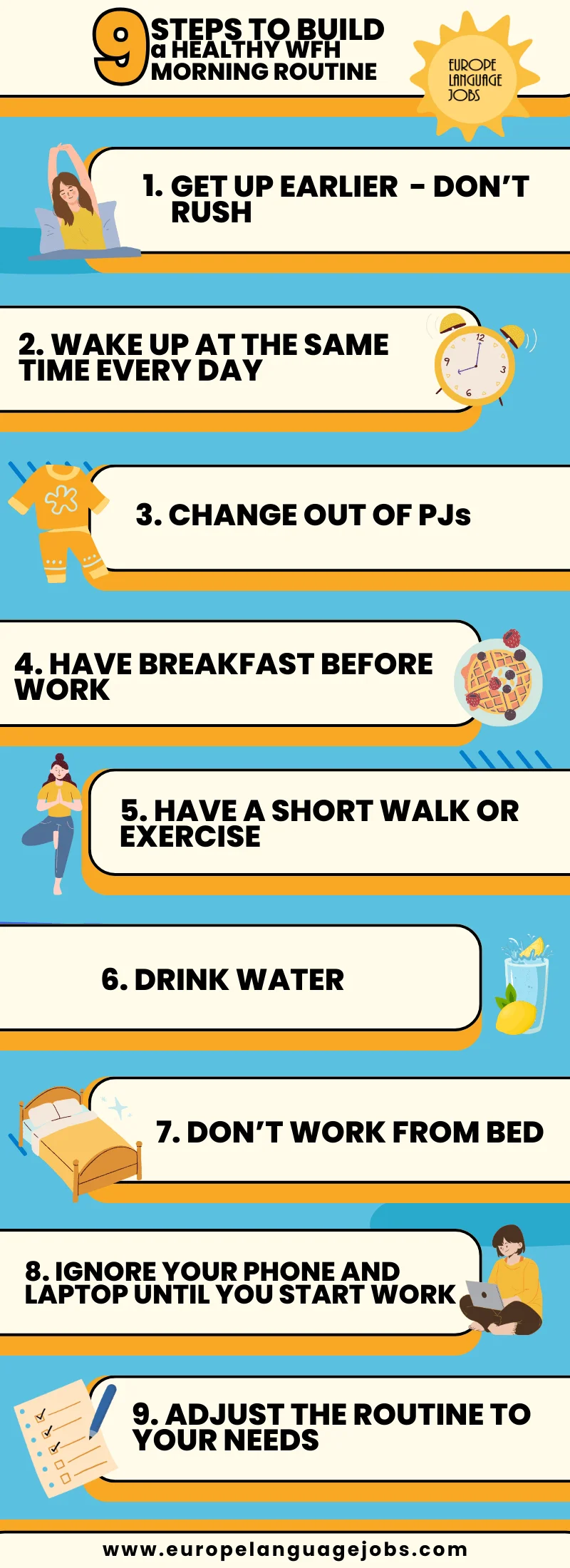
Many believe waking up early is essential for productivity, but the key lies in consistency rather than the specific hour. For remote workers, waking up at a consistent time helps regulate the body’s internal clock, enhancing alertness and cognitive function during work hours. Avoiding the temptation to hit the snooze button prevents fragmented sleep, which can leave one feeling groggy and unfocused. Establishing a firm start time enables a more intentional and controlled beginning of the day.
Incorporating Physical Activity to Energize
Physical movement in the morning acts as a catalyst to wake up the body and mind. Short, simple exercise routines, even lasting just five minutes, can increase blood circulation and release endorphins that boost mood and focus. This does not require intense workouts; a brief walk, stretching, or light exercise is sufficient to shake off sluggishness and prepare you mentally for deep work. This element is crucial for remote workers who often spend prolonged periods sitting.
The Role of Mindfulness and Meditation
Mindfulness practices such as meditation, journaling, or quiet reflection help manage stress and cultivate mental clarity. For remote workers, moments of silence or guided breathing exercises in the morning can reduce anxiety tied to workload and expectations. Visualization and affirmations can also enhance motivation by setting a positive tone and reinforcing daily goals. Avoiding immediate engagement with phones right after waking up prevents early brain overload and keeps the mind calm.
Nourishing Your Body: Breakfast Choices for Focus
A nutritious breakfast is critical for maintaining energy levels and cognitive function throughout the morning. Choosing whole, balanced foods rich in protein, healthy fats, and complex carbohydrates supports sustained focus and prevents energy crashes. Staying hydrated is equally important, as dehydration can lead to fatigue and decreased concentration. Skipping breakfast or consuming high-sugar foods can impair productivity and amplify mid-morning sluggishness.
Step-by-Step Guide to Building Your Personalized Morning Routine
Assessing Your Current Habits and Productivity Levels
The first step in crafting an effective morning routine is honest self-assessment. Take time to track your wake-up times, energy peaks, and most productive hours. Identifying habits that detract from focus, such as checking emails prematurely or spending excessive time on social media, helps pinpoint areas for improvement. Understanding your unique rhythms and constraints allows for a realistic and personalized approach.
Designing a Routine That Fits Your Lifestyle
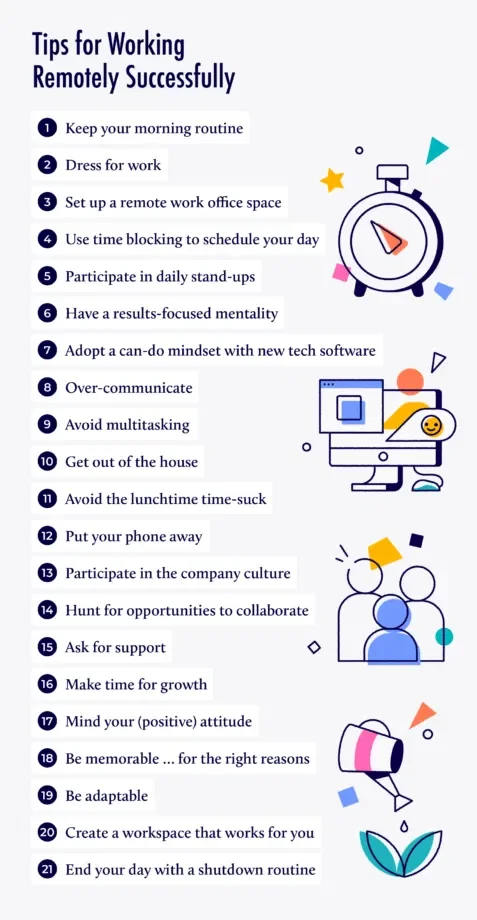
A productive morning routine for remote workers should harmonize with individual preferences and responsibilities. Incorporate consistent wake-up times, pre-work rituals like brief exercise or mindfulness, and essential biological needs like breakfast and hygiene. Dressing for work, even at home, can psychologically prepare you for professional tasks. Aligning work hours with your peak productivity periods maximizes output, while setting clear start and end times protects work-life boundaries. A dedicated, organized workspace further supports focus and reduces distractions.
Using Technology and Apps to Stay on Track
Leveraging technology can aid in maintaining discipline and tracking progress. Apps designed for habit formation, time management, or quick learning through book summaries help streamline morning activities. For example, book summary apps provide fast access to knowledge without demanding excessive time. Setting alarms, reminders, or using timers encourages adherence to chosen routines, ensuring that each segment of the morning receives appropriate attention. However, it is beneficial to limit phone use immediately upon waking to prevent cognitive overload.
Adjusting Your Routine Based on Results
No routine is perfect from the outset. Monitor your productivity and energy throughout the day and weekly, then make adjustments accordingly. If certain practices feel forced or ineffective, experiment with modifications or timing to better suit your flow. Flexibility is vital—what works one week might need recalibration the next. Continual refinement ensures the routine evolves with changing demands and personal growth, supporting sustained productivity over time.
Tips for Maintaining Consistency and Overcoming Common Obstacles
Dealing with Motivation Slumps
Remote working can sometimes lead to motivation dips, especially without external accountability. During such slumps, simplifying morning routines or focusing on smaller, achievable tasks helps regain momentum. Returning to core rituals such as brief exercise or mindfulness can re-center focus. It is important to recognize these slumps as normal phases rather than failures, adapting the routine to include restorative elements that refresh mental energy.
Balancing Flexibility and Discipline in Remote Work
While discipline is key, over-rigidity in morning routines can breed resistance and burnout. Remote workers benefit from blending structure with flexibility, allowing adjustments for unexpected commitments or changing energy levels. Setting windows for deep work and communication, rather than rigid hours, fosters a balanced approach. This balance helps maintain overall well-being, ensuring that productivity does not come at the cost of personal health or satisfaction.
How to Avoid Burnout While Staying Productive
Burnout is a common risk for remote workers who lack clear start and finish times and tend to overwork. Preventing burnout requires respecting boundaries established through the morning routine and throughout the day. Incorporate breaks, avoid multitasking in early hours, and maintain a clean, ergonomically optimized workspace to reduce physical and mental strain. Recognizing signs of fatigue and adjusting workload or routine intensity accordingly helps sustain long-term productivity without sacrificing health.


